Free Image Upscaler vs Paid: Do You Actually Need to Pay?
Paid upscalers promise the moon. But for most people, do you actually need to pay? Here's an honest free-vs-paid breakdown.
There's a whole industry of paid upscalers — desktop apps, subscriptions, per-credit services — and they market hard. So it's fair to ask: for what you actually do, is a free upscaler enough, or do you genuinely need to pay? Here's an honest breakdown, without the sales pitch.
What free upscalers do well
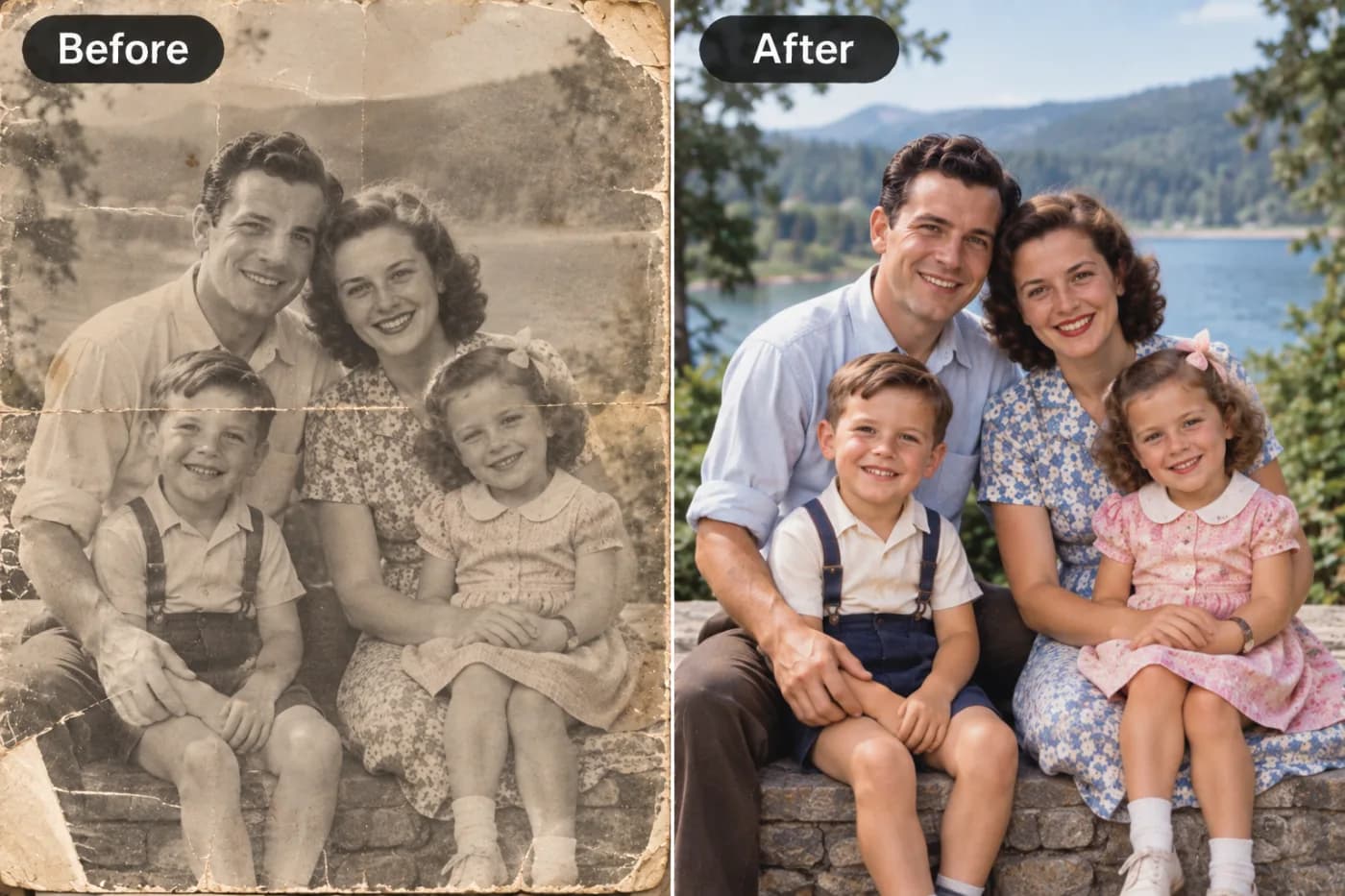
For the overwhelming majority of real-world jobs — sharpening a soft photo, enlarging an image for a post or a form, upscaling product shots, restoring old family pictures, prepping blog images — a good free AI upscaler is genuinely enough. You get real 2× and 4× super-resolution, clean results, and (with the right tool) no watermark and no per-image limit. Most people never hit a wall that requires paying.
What paid tools add
Paid upscalers earn their keep in a few specific situations: very high-volume batch processing (thousands of images), extreme enlargements for large-format professional printing, offline desktop processing, and specialised models fine-tuned for particular content. If you're a professional photographer, a print house, or running an image pipeline at scale, those features can be worth the money. If you're not, you're paying for capacity you won't use.
The honest recommendation
Start free. Run your actual photos through a free upscaler and judge the results against what you need. For most individuals and small businesses, that's the end of the story — no subscription required. Only reach for a paid tool if you hit a genuine, repeated limitation. Don't pay for a problem you don't have.
Try free first — no watermark
Before you pay for anything, test the free upscaler on your real images. Upload one, upscale 4×, and see if it clears your bar. For most people it does — no watermark, no cost.