Beauty Product Editor
Glossy cosmetics photography. Pick a style, choose a model, and download the result at full resolution with no watermark.
Pick a style on the left, then hit Apply. Your original stays untouched — you always see both.
How to use Beauty Product Editor
Photograph the product
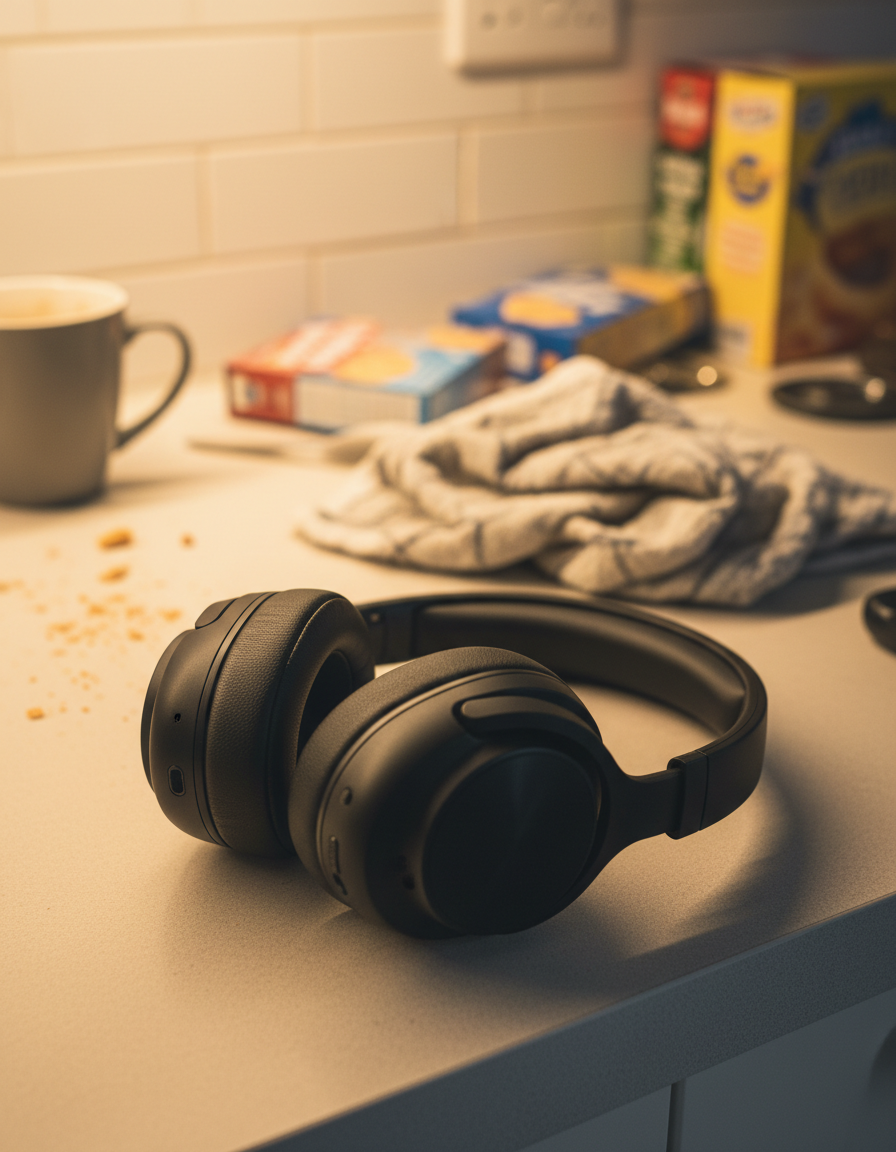
On a plain surface in soft daylight, shot square-on or at a consistent angle. Even a phone photo is enough — what matters is that the product is sharp and the whole of it is in frame.
Choose the setting
White sweep, studio, lifestyle, marble, natural or gradient. White for the main listing image, the others for gallery shots and ads.
Generate and download
Full resolution with no watermark, ready to upload to a listing or drop into a layout.
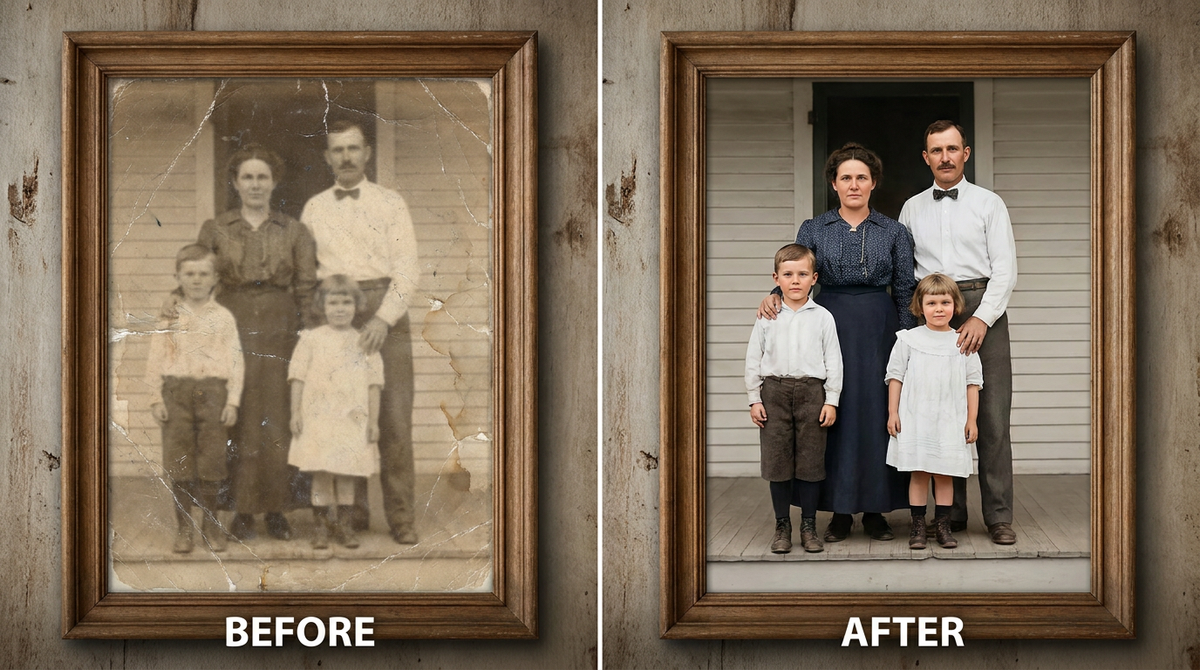
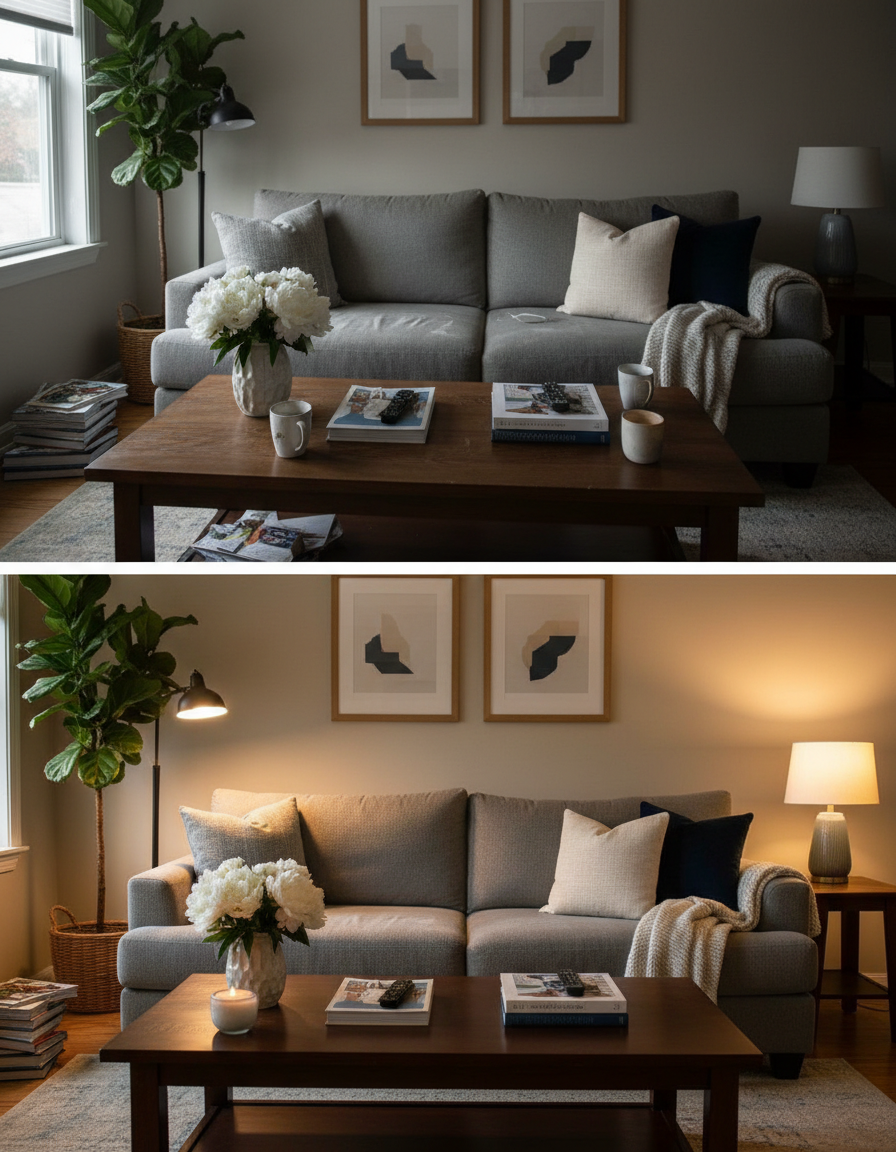
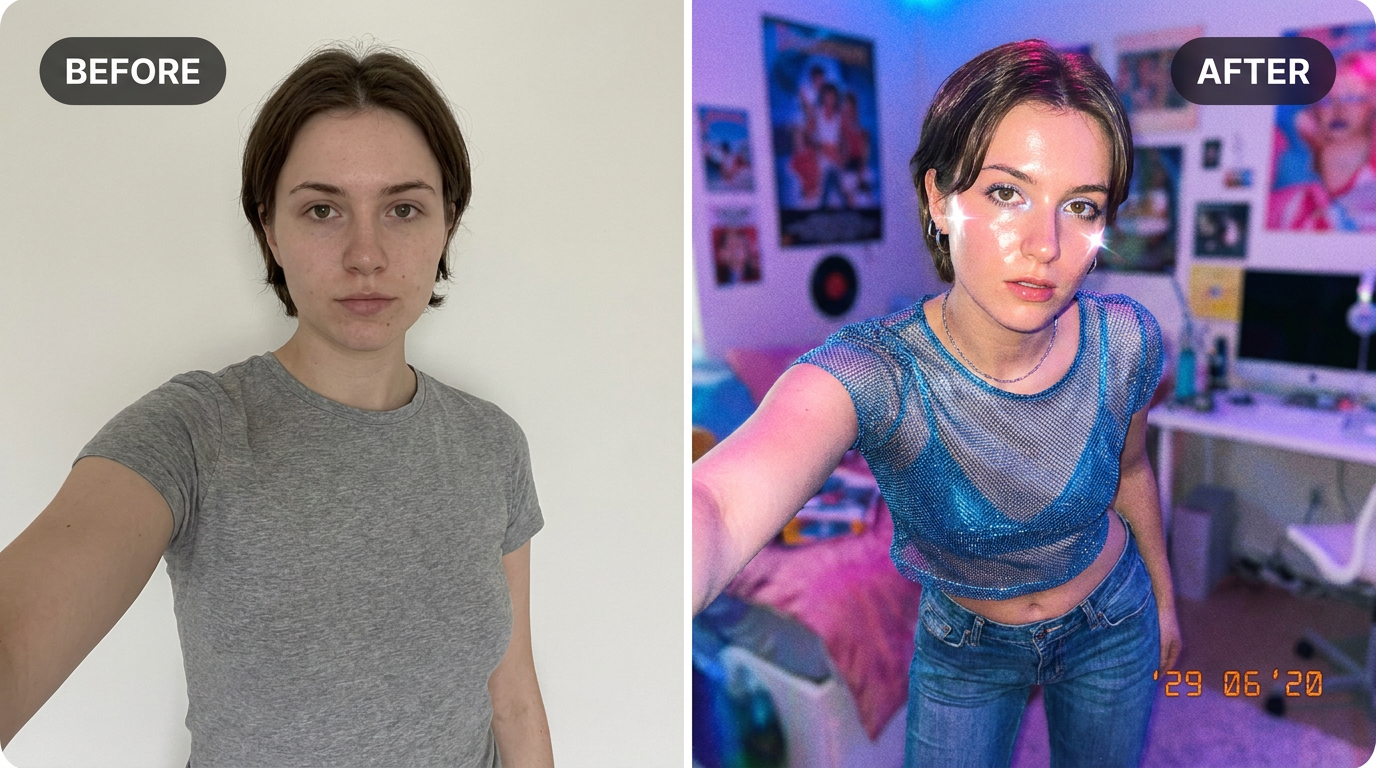
See it in action — real before & after
Why use Beauty Product Editor
What Beauty Product Editor does
Glossy cosmetics photography.
Consistent across a catalogue
One background and one lighting setup applied to every product, which is what makes a listing page look professional.
Lifestyle scenes without a location
A styled surface with props defocused behind, generated rather than staged.
Any ratio a channel needs
Square for listings, 4:5 for a feed, wide for a banner, all from the same source photo.
Marketplace-compliant main images
Pure #FFFFFF, product centred with even margins, soft contact shadow — the specification Amazon, Flipkart and most marketplaces check against.
The material reads correctly
A specular highlight is what tells a viewer whether something is matte plastic, brushed metal or glazed ceramic. Getting it wrong makes a product look fake.
What Beauty Product Editor changes
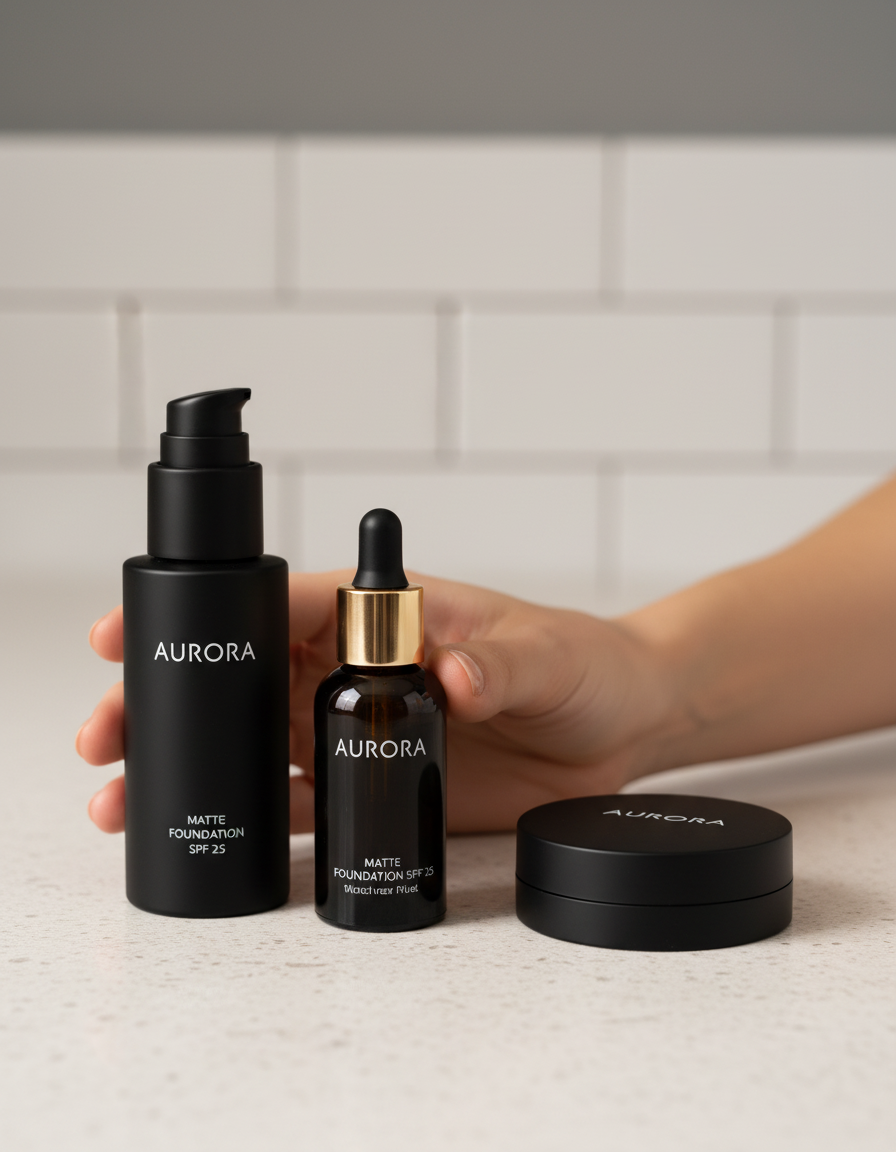
Enhance this cosmetics product shot: remove glare and dust, render the packaging finish accurately whether matte or glossy, keep label text perfectly legible, and light it cleanly against a simple backdrop.
Your face, bone structure and skin tone are held fixed on every generation — only what is described above is changed.
Beauty Product Editor for every image a listing needs
A product needs more than one photo. The main image, the gallery, the ad creative and the banner all have different requirements.
Gallery and detail shots
Studio backdrops and angles that show material, finish and scale.
Lifestyle and in-use scenes
The product on a real surface in a real room, which is what converts once the listing has been opened.
Ad and social creative
Backgrounds with deliberate empty space for a headline, in each platform's ratio.
Seasonal variants
The same product restyled for a campaign without a reshoot.
Key highlights of Beauty Product Editor
Benefits
Every aspect ratio
Square, 4:5, 9:16, 16:9 and more, chosen before generating so nothing important gets cropped away afterwards.
Full resolution, no watermark
The download is the full generated image with nothing overlaid — usable in print, in a listing or commercially.
The free tools stay free
Compress, convert, crop, resize, rotate and the rest run on your device, unlimited, with no account and no credit cost.
Your original is never modified
Every result is a new image. The file you uploaded stays exactly as it was on your device.
Cheap enough to iterate
Packs start at $2. Generating the same image three ways and keeping the best is the intended workflow, not an expensive mistake.
What people use it for
What it is mainly used for
Glossy cosmetics photography. Pick a style, choose a model, and download the result at full resolution with no watermark.
Clothing and accessories
Fabric texture and drape rendered so the material reads as what it is.
Food and drink
Lighting that makes food look appetising rather than clinical, which is a genuinely different setup.
Wholesale and trade sheets
Print-resolution product images for a catalogue or a line sheet.
Amazon and marketplace listings
The white main image, generated to specification rather than argued with after a rejection.
Prompt ideas
Describe the surface, the light and the shadow. Product prompts fail by being aspirational — "premium look" means nothing, while "white marble, soft light from the upper left, soft contact shadow" means exactly one thing.
Describe the light direction
"Soft light from the upper left with gentle fill on the right" gives predictable, repeatable results across a catalogue.
Ask for the contact shadow
"Soft contact shadow beneath the product" — the single most effective line in a product prompt.
Name the material
"Matte plastic", "brushed aluminium", "glossy ceramic". This is what governs the highlight, and the highlight is what sells the material.
Keep labels readable
"Keep the label text and logo exactly as they are" protects the part of the packaging that carries the brand.
Handle props explicitly
"One or two props, well out of focus behind" for lifestyle shots; "no props at all" for the main image.
Leave room for a headline
"Empty space in the upper third" when the image is going into an ad.
More about Beauty Product Editor
Material is the other half. A specular highlight is how a viewer knows whether something is matte plastic, brushed aluminium or glazed ceramic, all of which photograph completely differently. Naming the material is what makes the highlight correct, and the highlight is what sells the object.
A product photoshoot is the cost most small sellers underestimate. A studio day runs into the hundreds before you count the samples couriered there and back, and it produces one set of images — which is a problem the first time a marketplace changes its requirements or a campaign needs a different background. Beauty Product Editor produces catalogue-ready images from a photo taken on a table.
Commercial product photography is unglamorous and rule-bound. The main image usually has to be on pure white with the product filling most of the frame. The material has to read correctly, which means a specular highlight that describes whether something is matte, brushed or glossy. There has to be a contact shadow, or the product floats. Colour has to be accurate, because colour is what returns get argued about. Those constraints are the tool's actual brief.
Getting the best result from Beauty Product Editor
- Nothing you upload is published, shared or added to a gallery — but do not upload anything you would not want to leave your device at all.
- The free on-device tools — compress, convert, crop, resize, rotate — cost no credits, so use them for mechanical work.
- If a result is nearly right, say what is wrong with it in the next run rather than starting over.
- Photograph the product sharp, in soft daylight, on a plain surface. Everything downstream depends on this.
- Include the entire product in frame — a cropped edge cannot be reconstructed reliably.
- Shoot every product in a range from the same angle so the catalogue stays consistent.
- Say "pure white #FFFFFF" for any marketplace main image.
- Always request the contact shadow.
It's free to try and runs online — nothing to install. Explore the rest of our AI Creative Apps, or open the full AI photo editor for more control.