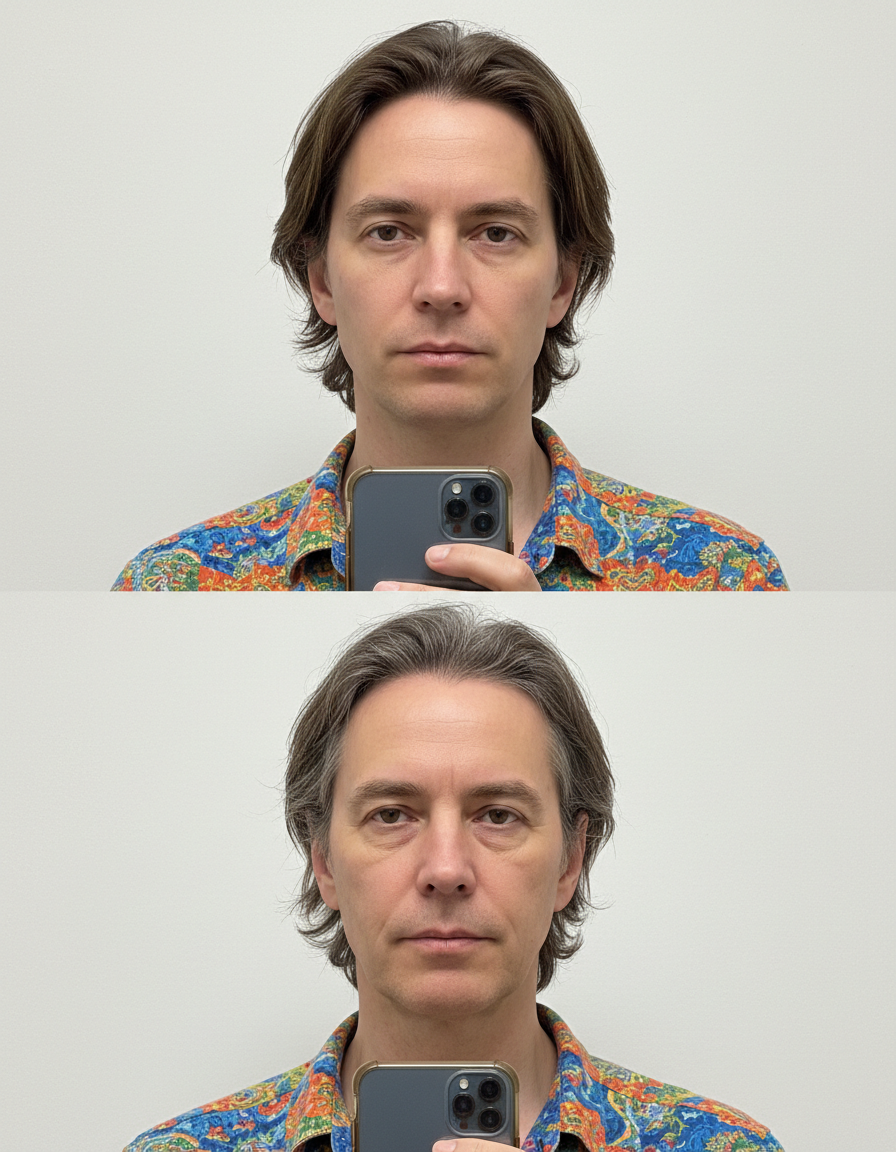
ERAS Application Headshot
Portraits that meet residency-application norms. Pick a style, choose a model, and download the result at full resolution with no watermark.
Pick a style on the left, then hit Apply. Your original stays untouched — you always see both.
How to use ERAS Application Headshot
Upload a clear photo of your face
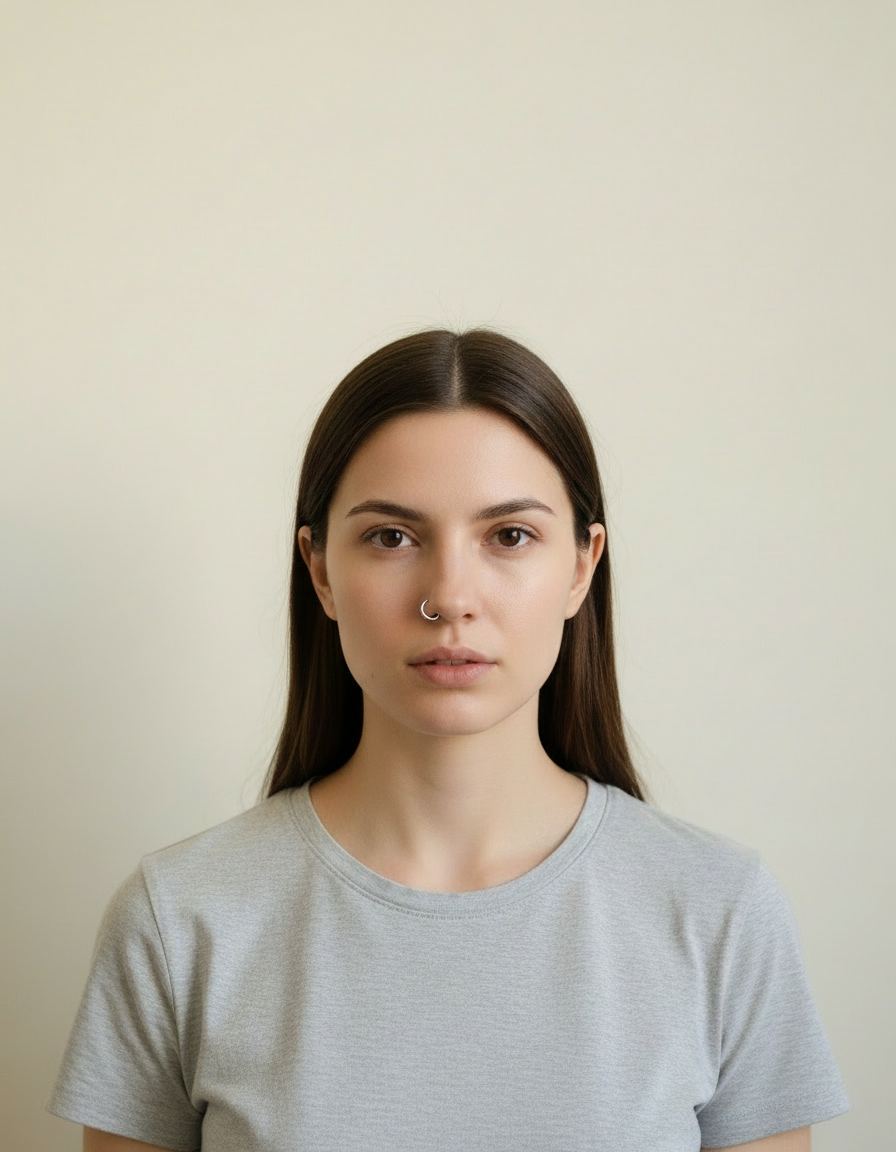
A front-facing JPG, PNG or WEBP where both eyes are visible and the light is even. A plain phone selfie taken near a window is genuinely better source material than a dim photo from a good camera.
Pick the style you need
Corporate, LinkedIn, executive, creative, outdoor or plain white. The choice sets the wardrobe, the background and how hard the lighting is — or write your own brief if you have something specific in mind.
Generate and download
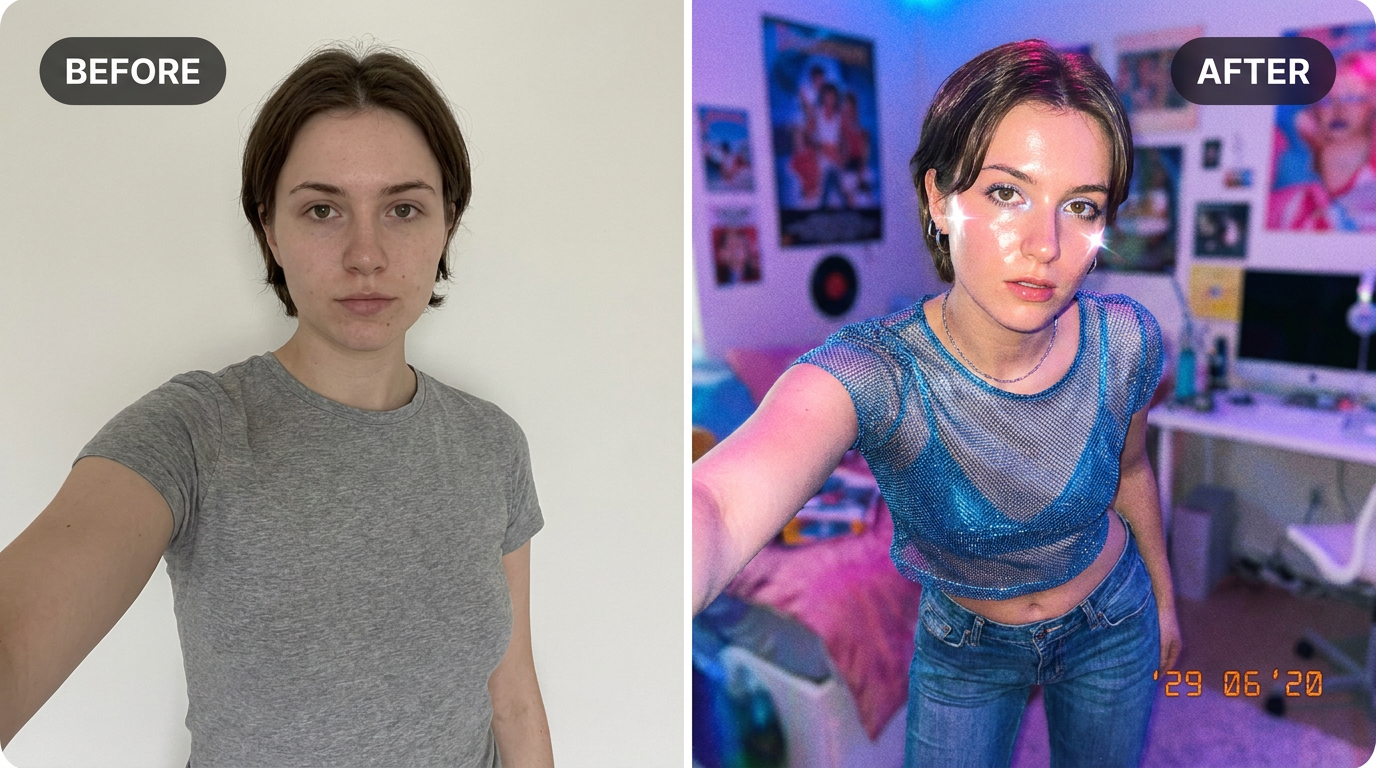
Compare the original against the result, regenerate if the tie or the crop is not right, then download at full resolution. No watermark, and nothing is added to the image.
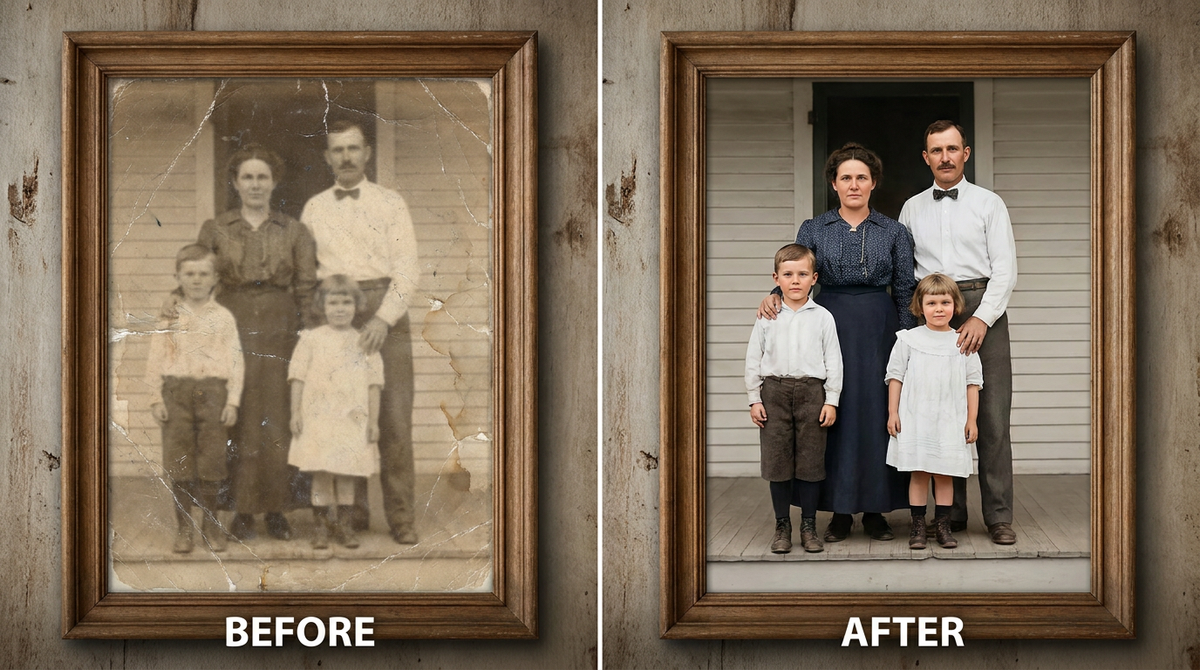
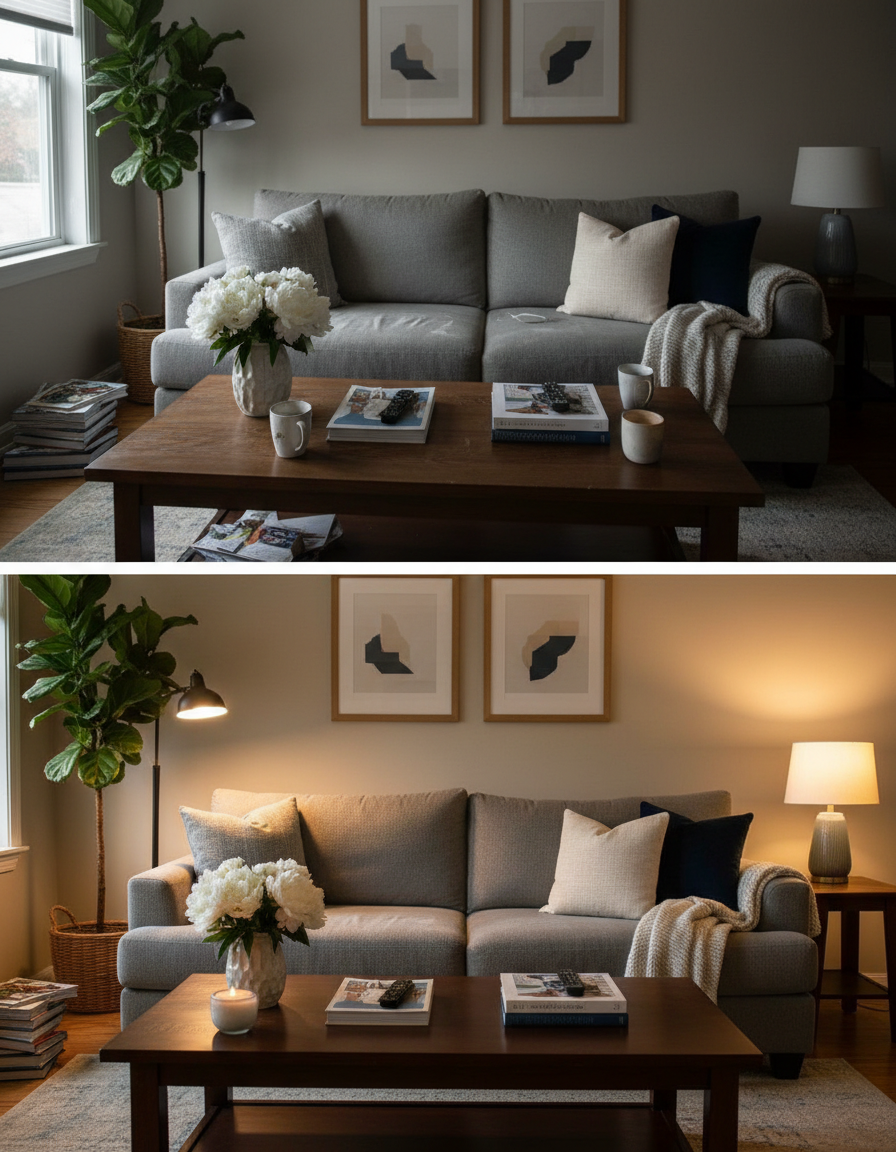
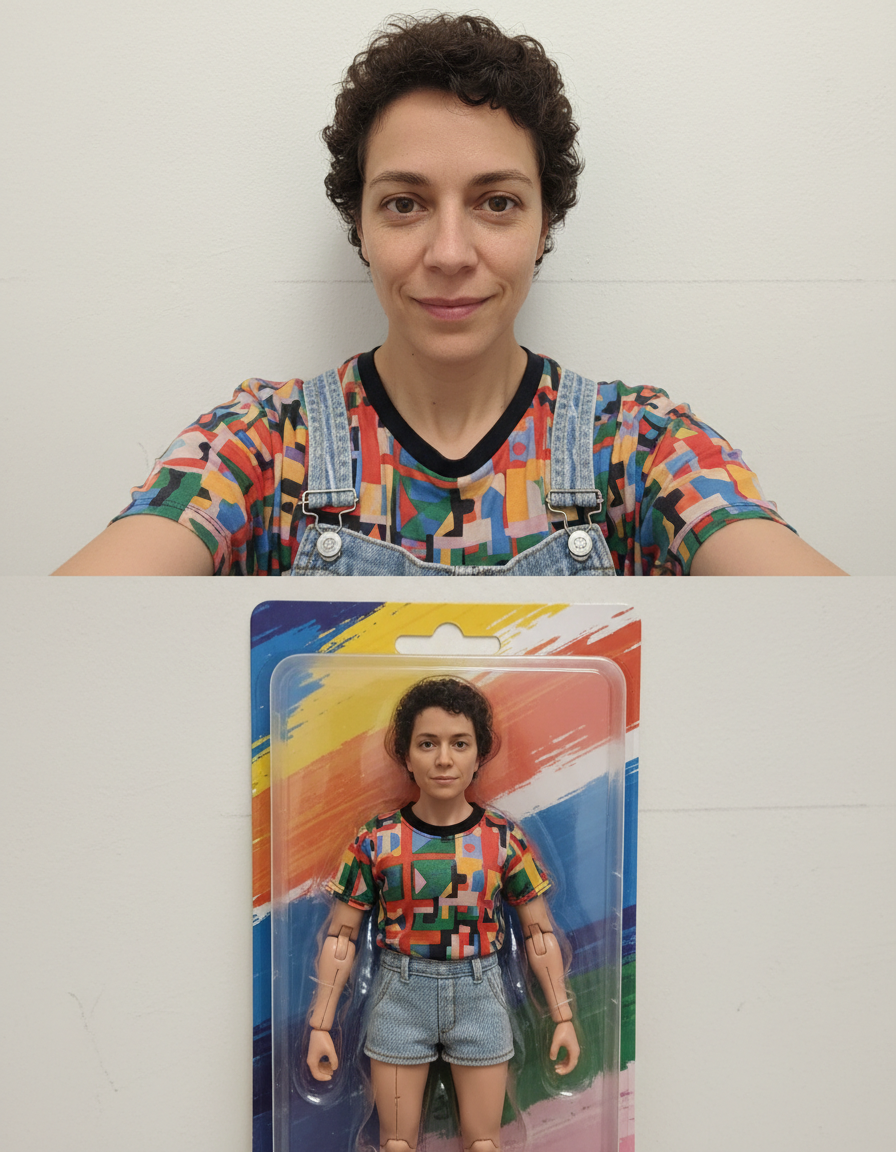
See it in action — real before & after


Why use ERAS Application Headshot
What ERAS Application Headshot does
Portraits that meet residency-application norms.
Retake it whenever you change
New haircut, new role, new glasses. Regenerating costs 2 credits instead of booking another session, so the photo can stay current.
Your face stays your face
Identity preservation is the whole job. Bone structure, eye shape, skin tone and the details that make you recognisable are held fixed; only clothing, lighting and background are generated.
Even, professional lighting
A soft key with a fill on the shadow side — the standard portrait setup. No hard nose shadow, no blown-out forehead, no colour cast from an office ceiling light.
Backgrounds that stay out of the way
Neutral grey, softly defocused office, dark low-key or plain white. Each one is chosen because it makes the face read first, which is the only thing a headshot has to do.
Wardrobe appropriate to the field
A suit reads differently from an open collar, and both read differently from a lab coat. The styling is matched to where the photo is going rather than applied as one generic look.
What ERAS Application Headshot changes
Produce a conservative medical-residency application portrait: plain dark suit, plain light background, flat even lighting with no shadow on the face, neutral expression, head and shoulders centred.
Your face, bone structure and skin tone are held fixed on every generation — only what is described above is changed. Add your own brief in the Custom tab to take it further.
ERAS Application Headshot for every kind of profile
The same face, styled for where the photo is actually going. A leadership page, a hiring portal and a conference badge all want different things from a portrait.
Company About and leadership pages
Dark tailored suit, low-key sculpted lighting, settled posture. Reads as authority without tipping into stock-photo stiffness.
Applications and official documents
Plain white backdrop, flat shadowless light, neutral expression, head square to camera — the specification most ID photos are checked against.
Creative and agency profiles
A textured or coloured backdrop and characterful directional light, for fields where looking identical to a bank's website is the wrong signal.
Speaker and press kits
Higher-contrast lighting and generous negative space around the head, so an event page can crop it square or wide without cutting into your face.
Key highlights of ERAS Application Headshot
Benefits
Every aspect ratio
Square, 4:5, 9:16, 16:9 and more, chosen before generating so nothing important gets cropped away afterwards.
Full resolution, no watermark
The download is the full generated image with nothing overlaid — usable in print, in a listing or commercially.
The free tools stay free
Compress, convert, crop, resize, rotate and the rest run on your device, unlimited, with no account and no credit cost.
Your original is never modified
Every result is a new image. The file you uploaded stays exactly as it was on your device.
Cheap enough to iterate
Packs start at $2. Generating the same image three ways and keeping the best is the intended workflow, not an expensive mistake.
What people use it for
What it is mainly used for
Portraits that meet residency-application norms. Pick a style, choose a model, and download the result at full resolution with no watermark.
Refreshing a photo that has aged
If the portrait predates a haircut, glasses or a decade, the mismatch is the first thing anyone who meets you notices.
A LinkedIn photo that is not a cropped wedding shot
The most common professional headshot on the internet is someone cut out of a group photo. This replaces it in a minute.
A new starter who joined remotely
Nobody is flying someone in for a photographer. One selfie matched to the company style closes the gap in the team grid.
Consultants and freelancers
When the proposal is the product, the portrait at the top of it does real work. A studio-grade photo raises the floor on a cold pitch.
Prompt ideas
You do not need to write a prompt at all — the style presets cover most cases. If you want something specific, keep the brief short and name only what you care about: the clothing, the background, the light and the expression.
Be concrete, not complimentary
"Soft light from the left, plain grey background" gives the model something to act on. "Beautiful, high quality, 8k" gives it nothing at all.
Change one thing at a time
If a result is close, edit a single detail and run it again. Rewriting the whole prompt gives you an unrelated image and no information about what the change did.
Say what must not change
A short exclusion — "do not change the face", "keep the label text" — is often more effective than any amount of positive description.
Keep it short
Three or four specific clauses beat a paragraph. Long prompts dilute every instruction in them, including the one you cared about.
Name the framing
Close-up, head and shoulders, full body, centred, offset. Framing decides what the image is actually of.
Avoid asking for text in the image
Generated lettering is still unreliable. Ask for empty space where the text should go and add real type afterwards.
More about ERAS Application Headshot
The unglamorous truth about profile photos is that most people are using one they do not like. It is a cropped wedding photo, or a selfie taken in a car, or a portrait from a job two roles ago — kept because replacing it meant organising something. ERAS Application Headshot removes the organising.
There is a reason recruiters and clients form an impression from a portrait before reading a word: it is the only part of a profile that is processed instantly. An evenly lit photo against a neutral background reads as competent, and a dim phone snap reads as indifferent, regardless of what the text underneath says.
Teams get more out of this than individuals do. A directory where every portrait was taken in a different room on a different phone looks disorganised in a way nobody comments on but everybody notices. Running one style across all of them fixes the page more than improving any single photo would.
Getting the best result from ERAS Application Headshot
- Choose the aspect ratio before generating rather than cropping afterwards.
- If one model ignores part of your instruction, switch to the other and run it again.
- Keep the original file. It is a better base for the next attempt than a generated image is.
- For a matching set, keep the same source photo and style and change only one variable.
- Nothing you upload is published, shared or added to a gallery — but do not upload anything you would not want to leave your device at all.
- The free on-device tools — compress, convert, crop, resize, rotate — cost no credits, so use them for mechanical work.
- If a result is nearly right, say what is wrong with it in the next run rather than starting over.
- Start with a front-facing photo where both eyes are clearly visible — a slight angle is fine, a strong three-quarter turn is not.
It's free to try and runs online — nothing to install. Explore the rest of our AI Creative Apps, or open the full AI photo editor for more control.