Vampire Filter
Gothic-horror transformation. Pick a style, choose a model, and download the result at full resolution with no watermark.
Pick a style on the left, then hit Apply. Your original stays untouched — you always see both.
How to use Vampire Filter
Upload the photo
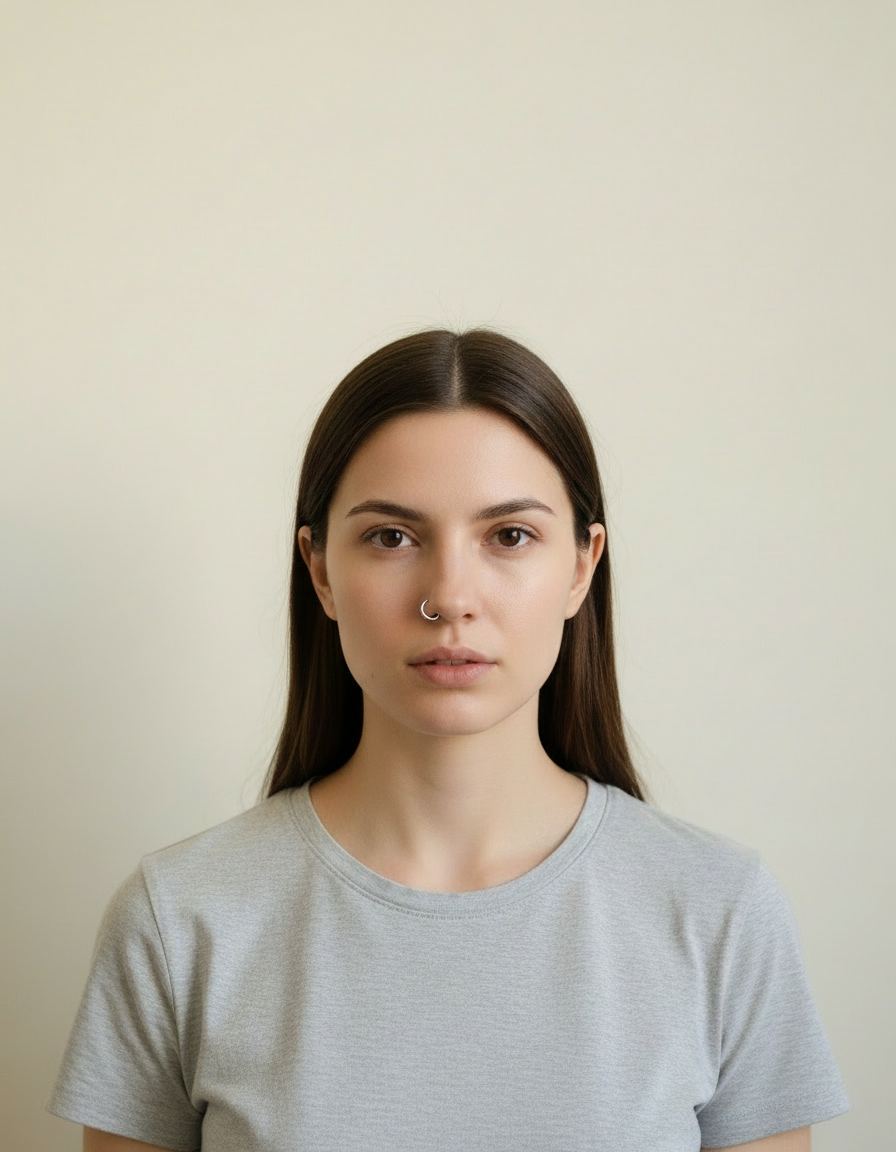
A clear JPG, PNG or WEBP. Portraits work best when the face fills a reasonable part of the frame — a distant full-body shot gives the model very little face to work from.
Pick the style or write your own
Choose a preset, or describe the medium you want: line weight, palette, texture, era. Naming the medium precisely is what separates a good result from a vague one.
Generate and download
Full resolution, no watermark. Good enough to print, use as an avatar, or send to someone as a gift.
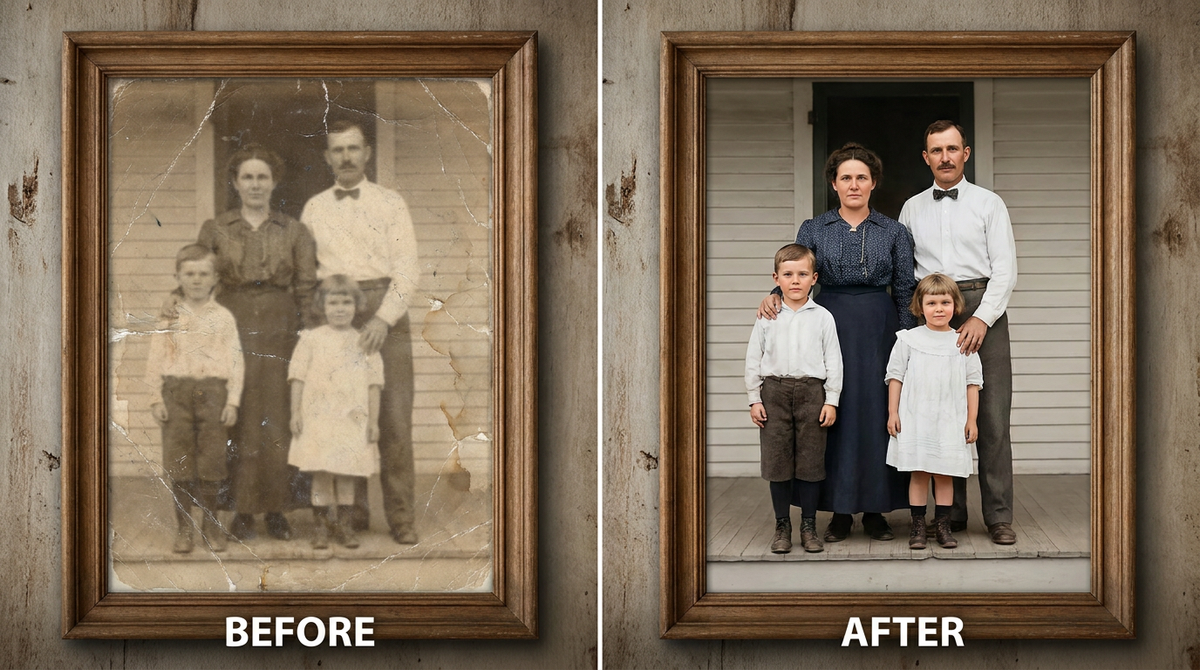
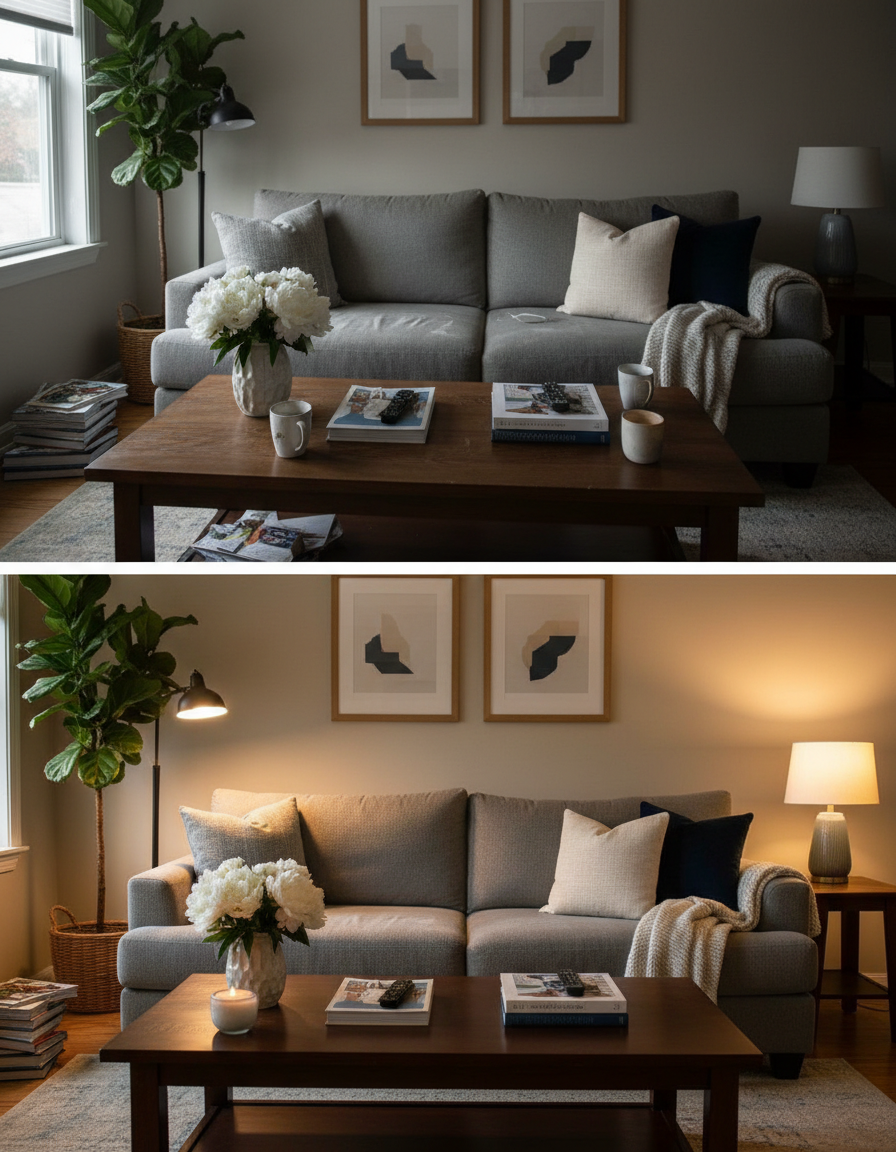
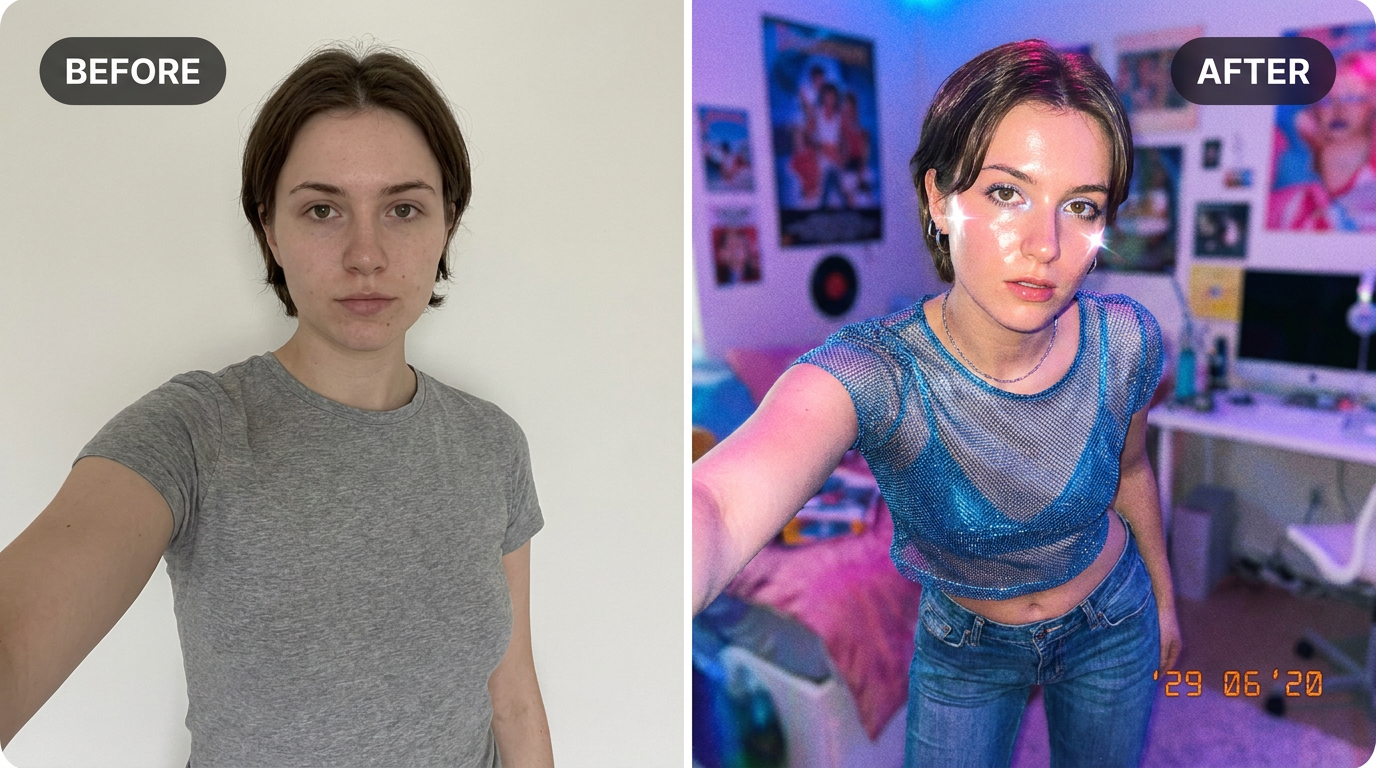
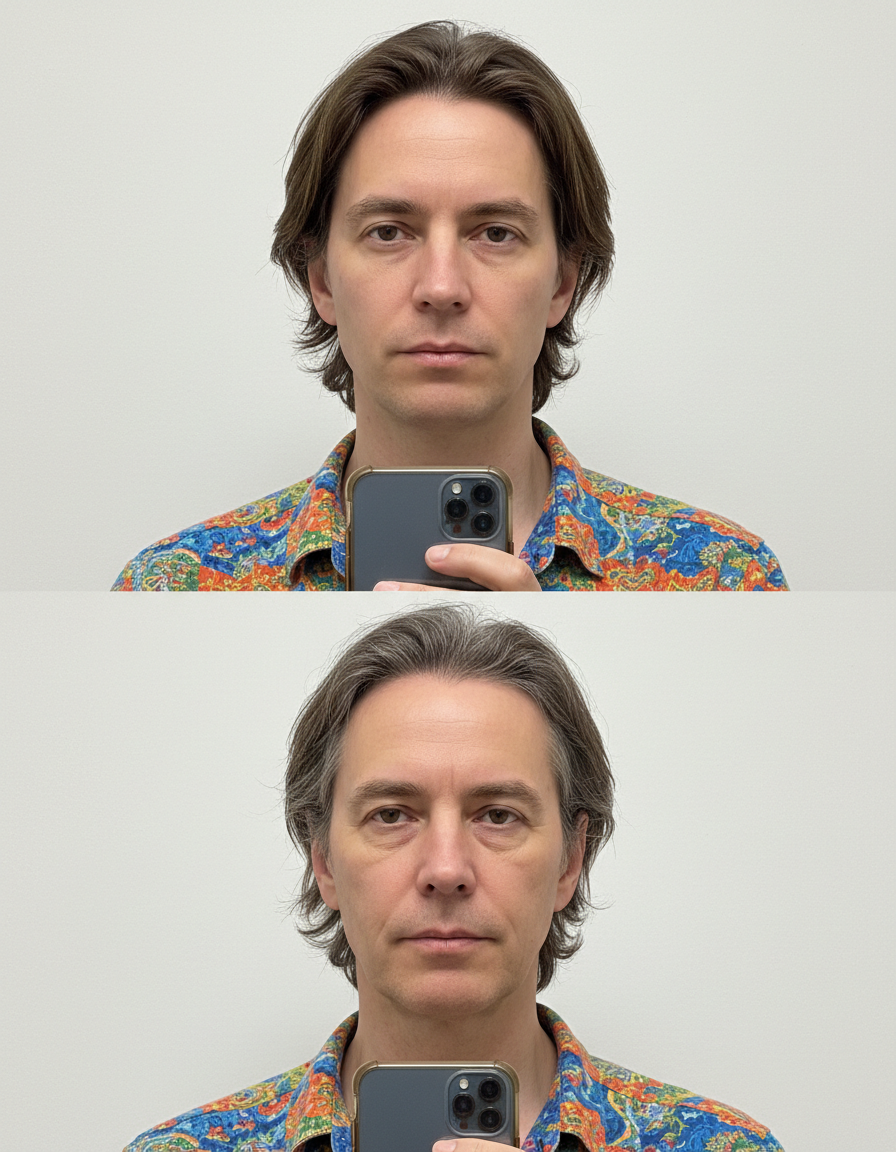
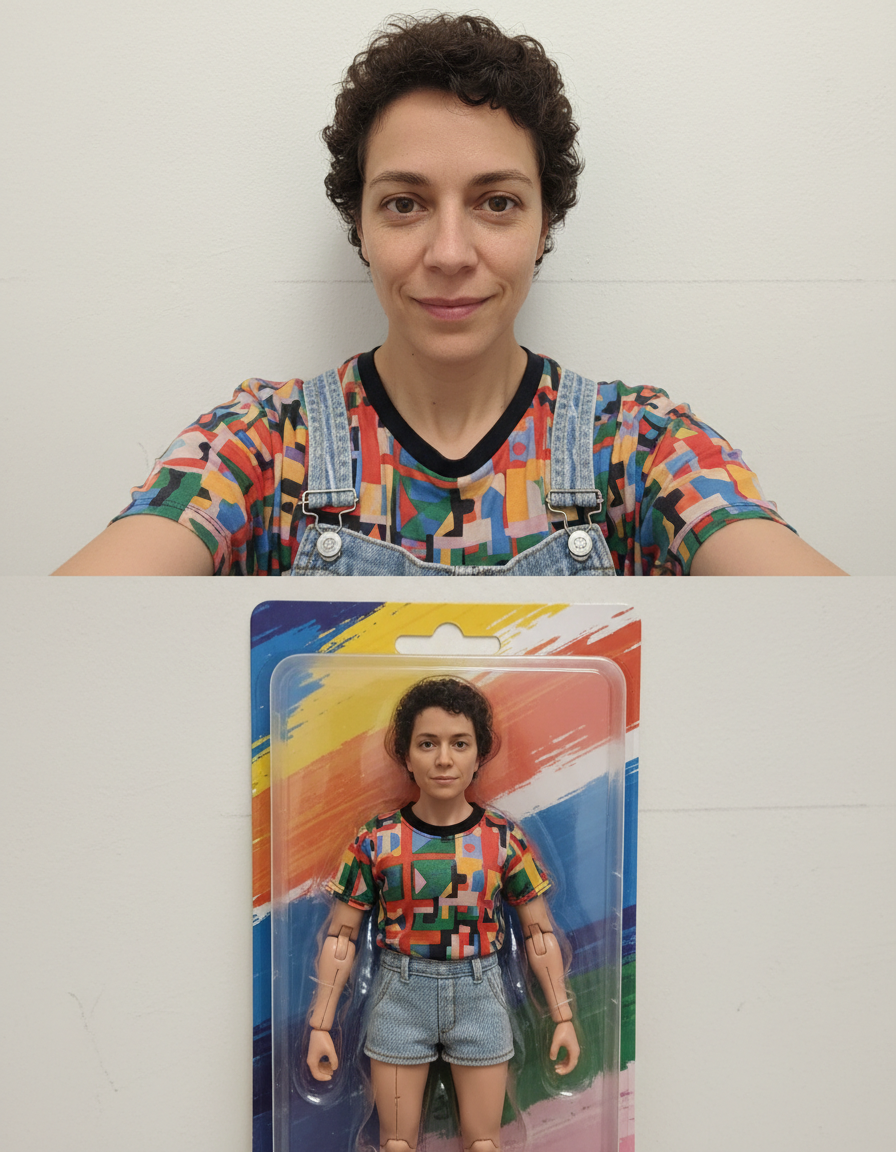
See it in action — real before & after


Why use Vampire Filter
What Vampire Filter does
Gothic-horror transformation.
Recognisable after the conversion
Facial proportions and the details that identify a person are carried into the new medium rather than replaced by a generic character face.
A real change of medium
Brush texture, ink weight, cel shading, moulded plastic, woven canvas. The material of the image changes, not just its colours.
Consistent across a set
Run several photos through the same style and they look like one commission rather than a pile of unrelated experiments.
Backgrounds restyled to match
A stylised subject on a photographic background looks pasted in. The whole frame is converted together.
Print-quality output
Resolution holds up as a framed print or a card, which is what most people end up doing with a portrait they like.
What Vampire Filter changes
Restyle this as a gothic vampire portrait: pallid cool skin tone, subtle fangs, dark period clothing, candlelit chiaroscuro and an old-world interior behind.
Your face, bone structure and skin tone are held fixed on every generation — only what is described above is changed. Add your own brief in the Custom tab to take it further.
Vampire Filter for prints, avatars and gifts
The same conversion serves very different ends — a profile picture, a framed print, a card, a set of matching avatars for a group.
Covers and thumbnails
A stylised image survives text overlaid on it far better than a photograph does — the flat areas give the type somewhere to sit.
Creative reference
A quick look at a concept in a given medium before committing to commissioning it properly.
Profile pictures and avatars
A stylised portrait stands out in a feed of photographs, and it stays readable when a platform shrinks it to 40 pixels.
Prints and framed gifts
A converted portrait of a person, a couple or a pet is the kind of gift people keep, and it costs the price of the frame.
Key highlights of Vampire Filter
Benefits
Full resolution and no watermark
Print it, frame it, use it commercially. Nothing is stamped on the result.
No subscription
Credits are a one-time purchase and never expire. Nothing renews.
Works on a phone
The whole flow runs in a mobile browser, which is where the source photo already is.
Nothing to install
It runs in the browser on a phone or a laptop. No desktop app, no plugin, no account needed to look around.
Two models to choose from
Nano Banana and GPT Image handle the same job differently. If one result is not right, the other model often is.
What people use it for
What it is mainly used for
Gothic-horror transformation. Pick a style, choose a model, and download the result at full resolution with no watermark.
Group and team sets
Everyone in one style — for an About page, a group chat, a wedding party or a D&D table.
Pet portraits
The single most requested illustrated portrait, and the one people are most reliably delighted by.
Merch and sticker art
Flat, high-contrast styles are what actually survive being printed small on a sticker or a shirt.
Book, album and playlist covers
A stylised portrait as cover art, with room for a title to sit over it.
Prompt ideas
Presets cover the common styles. If you write your own, describe the medium as a maker would: line, colour, texture, era. Vague adjectives like "beautiful" or "high quality" do nothing; "thick ink outlines, flat colour, halftone shading" does a great deal.
Keep the likeness explicitly
Adding "keep the face recognisable" helps on the more abstract styles where the medium starts to dominate.
Set the framing
"Bust, shoulders up" for an avatar, "full figure" for a poster. This decides how much of the style you actually see.
Ask for clean space if text is going on it
"Leave the upper third uncluttered" gives a title somewhere to go, which is the usual reason a good cover fails.
Be concrete, not complimentary
"Soft light from the left, plain grey background" gives the model something to act on. "Beautiful, high quality, 8k" gives it nothing at all.
Change one thing at a time
If a result is close, edit a single detail and run it again. Rewriting the whole prompt gives you an unrelated image and no information about what the change did.
Say what must not change
A short exclusion — "do not change the face", "keep the label text" — is often more effective than any amount of positive description.
More about Vampire Filter
A stylised portrait does something a photograph cannot: it survives being shrunk. At forty pixels in a comment thread a photograph becomes a smudge, while flat colour and a strong outline stay legible. That is why illustrated avatars outlast the trend that produced them.
The failure mode worth knowing about is the generic character. Plenty of tools will produce a competent illustration that is recognisably nobody. Keeping the proportions of a specific face inside a new medium is the harder problem, and the only one worth solving.
Turning a photograph into another medium used to be a commission. You found an illustrator, described what you wanted, waited a week and paid for it. Vampire Filter does the same conversion from a photo you already have, in about a minute.
Getting the best result from Vampire Filter
- Avoid photos that are already filtered — stacking a style on a style gives muddy results.
- Simple backgrounds convert better. A cluttered room becomes visual noise in the styled version.
- For avatars, generate square and ask for a plain background, or the crop will cut into the head.
- Regenerate a few times: stylised output varies more between runs than photographic output does.
- Check hands, glasses and any lettering — these are where stylised results most often break down.
- If you want a matching set, keep the style and the prompt identical and change only the source photo.
- For printing, generate at the largest ratio you can and crop afterwards rather than upscaling later.
- Keep the original photo. A generated image is a poor starting point for a different style.
It's free to try and runs online — nothing to install. Explore the rest of our AI Creative Apps, or open the full AI photo editor for more control.