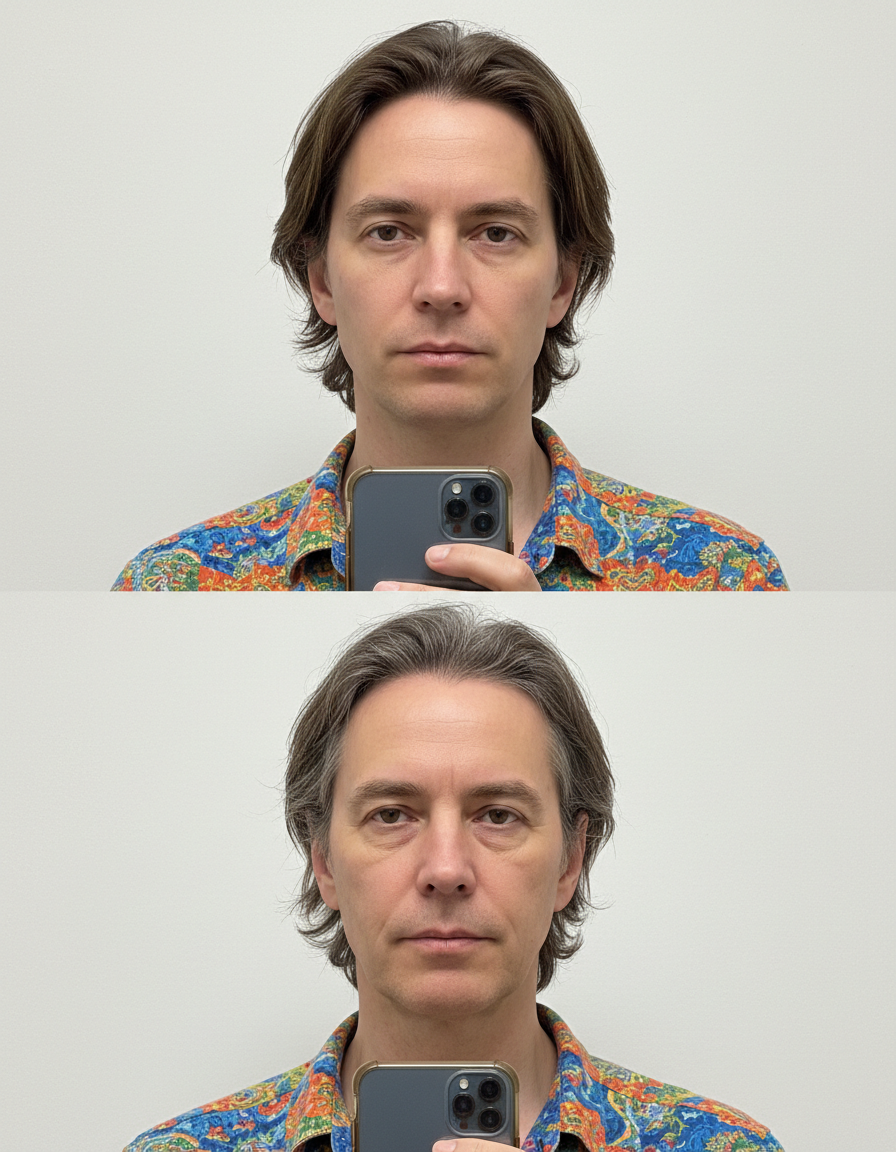
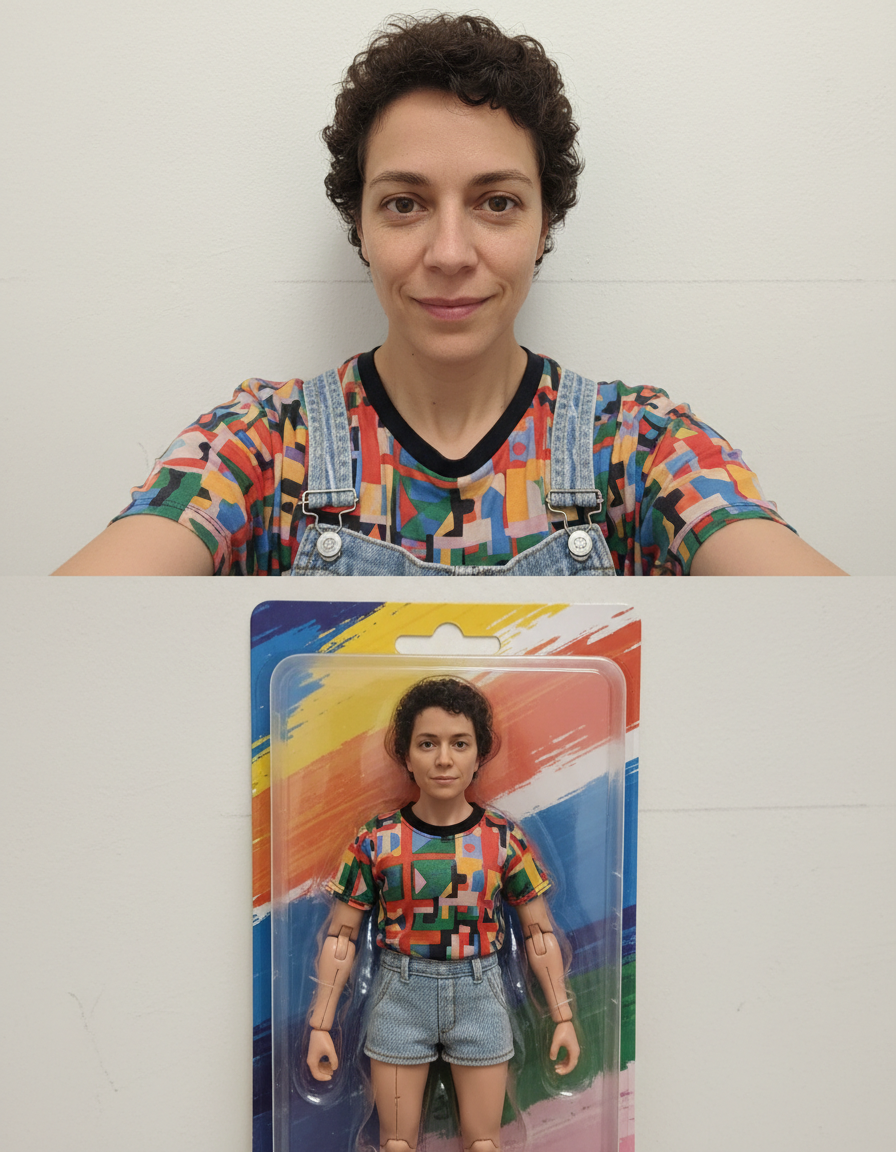
Beard Filter
Add facial hair that follows your face. Pick a style, choose a model, and download the result at full resolution with no watermark.
Pick a style on the left, then hit Apply. Your original stays untouched — you always see both.
How to use Beard Filter
Upload the photo
Any JPG, PNG or WEBP. The more resolution the original has, the more the retouch has to work with — detail cannot be invented from a heavily compressed file.
Choose the fix
Pick the correction you need, or describe it in a sentence. Being specific about what to change, and what to leave alone, is most of the skill.
Compare, then download
Check the original against the result at full size before you commit. Download is full resolution, no watermark.
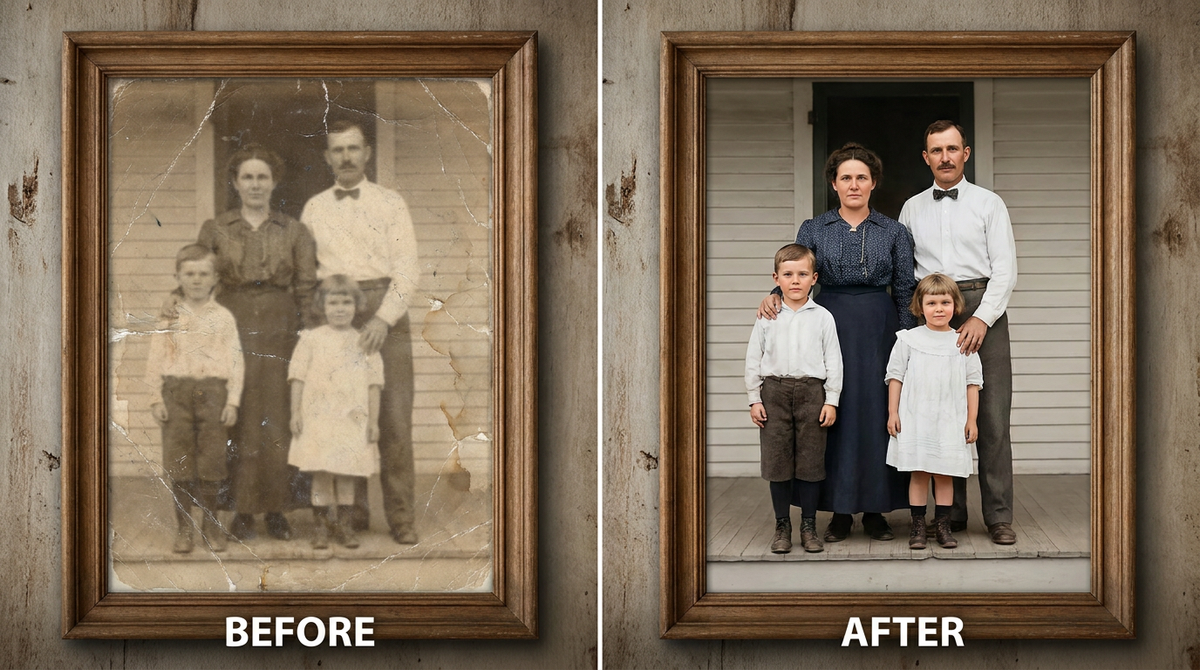
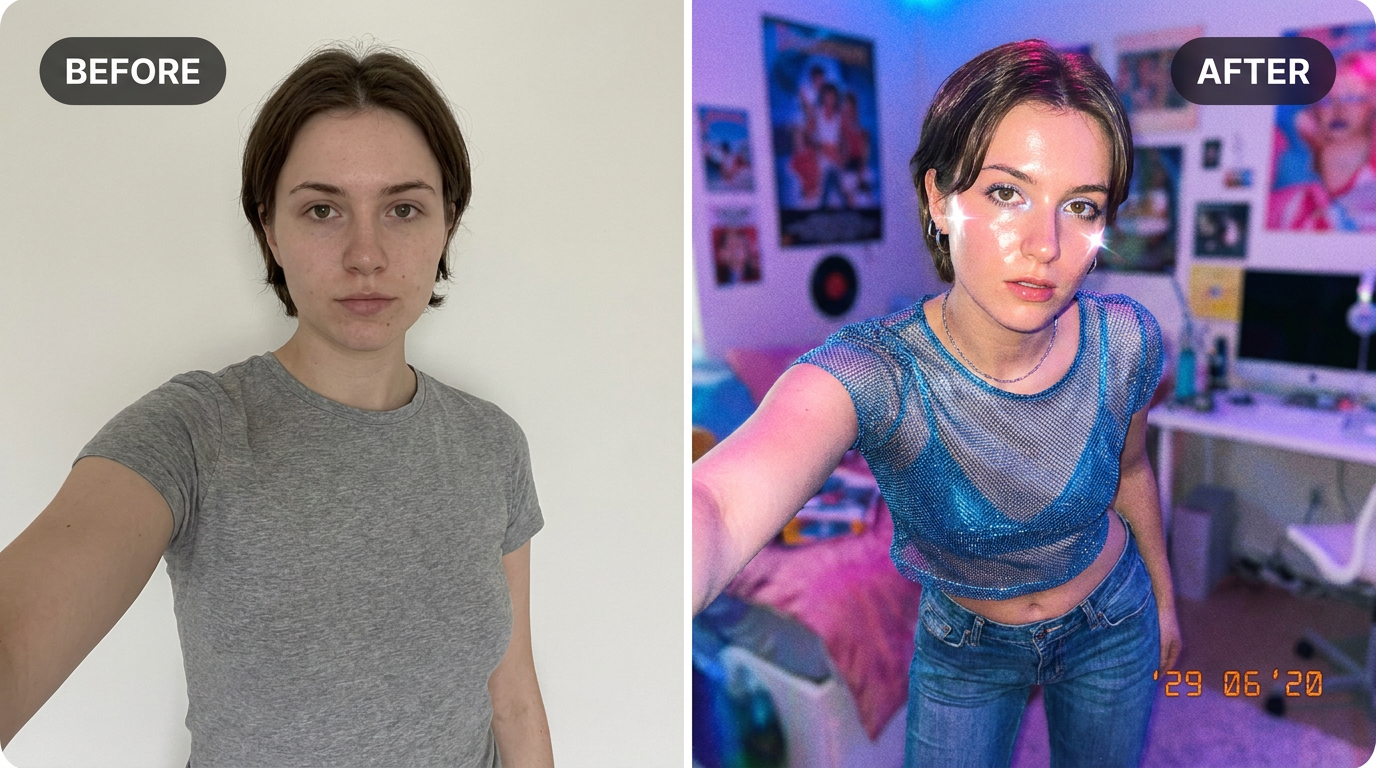
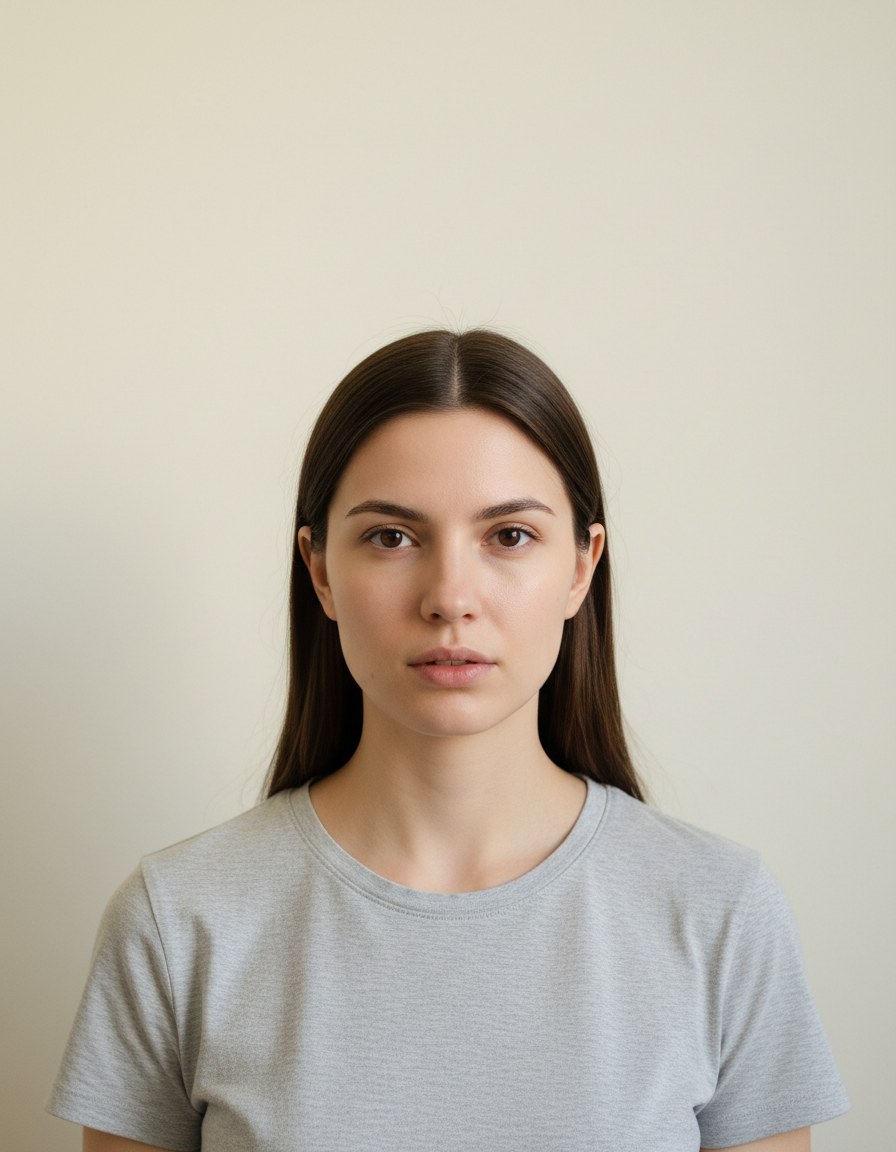
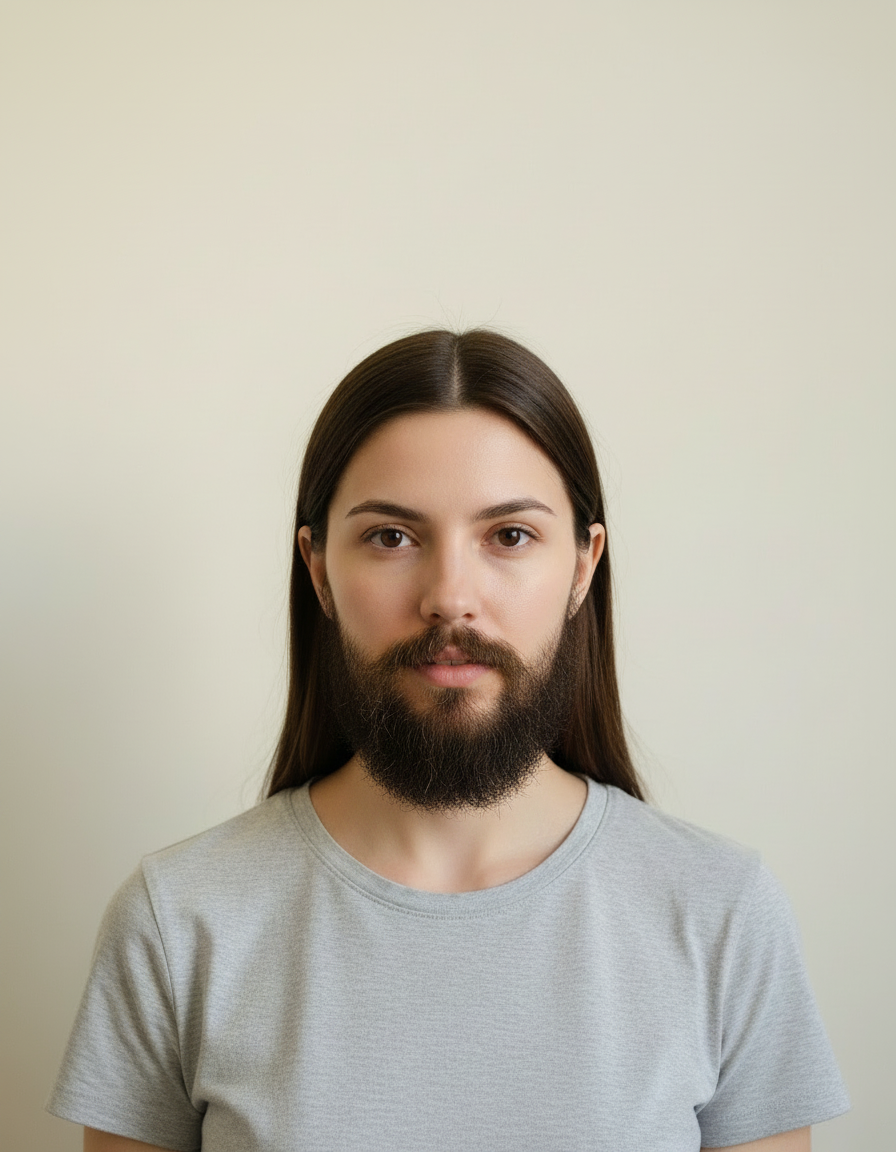
See it in action — real before & after
Why use Beard Filter
What Beard Filter does
Add facial hair that follows your face.
Fixes what the camera got wrong
Colour casts, uneven exposure, flash shine, red eye, harsh shadow — the failures of the room and the lens rather than of the subject.
Restrained by default
Over-retouching is the most common mistake in the category. The defaults are deliberately conservative.
Consistent across a set
Apply the same correction to every photo from one event so the whole set matches rather than each frame looking individually processed.
No editor to learn
No frequency separation, no dodge and burn, no masks. The pass that takes an experienced retoucher ten minutes takes a sentence.
Full resolution out
The download is not a downscaled preview. It goes straight into a print, a listing or a profile.
What Beard Filter changes
Add a beard in the specified style, following the person's real jawline and natural growth pattern, with individual hair detail, believable density and matching lighting.
Your face, bone structure and skin tone are held fixed on every generation — only what is described above is changed. Add your own brief in the Custom tab to take it further.
Beard Filter for the fixes that actually come up
Most retouching is a handful of recurring problems. Each one has a specific fix rather than a general "enhance" slider.
Old scans and phone photos
Grain, noise and compression artefacts reduced without smearing away the detail that was actually captured.
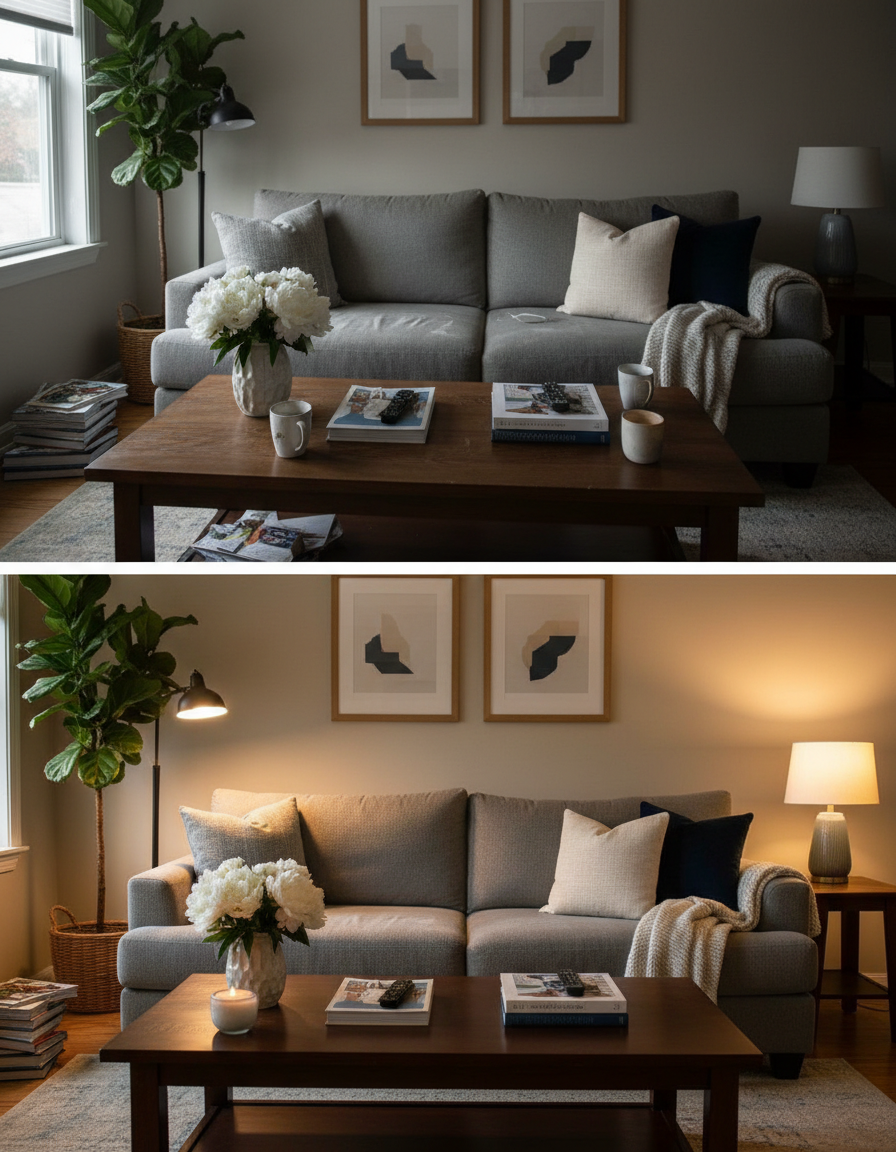
Before-and-after documentation
Fitness, dental, cosmetic and renovation photos, where matching the lighting between two frames is the whole job.
Portraits and profile photos
Temporary blemishes, shine, stray hair and flash red-eye — the four things that stop an otherwise good photo of a person being usable.
Colour and exposure correction
Fluorescent green, tungsten orange, a flat grey day. Getting the white balance right fixes photos people assume are unfixable.
Key highlights of Beard Filter
Benefits
Seconds instead of a session in an editor
The routine pass that makes a photo presentable, without the software or the hour.
No plastic-skin look
The most common complaint about automatic retouching, and the specific thing the defaults are tuned against.
Cheap enough for a whole set
A pack starts at $2, so fixing every photo from an event is realistic rather than something you do to one and give up on.
Nothing to install
Runs in the browser, on a phone as readily as a laptop.
Predictable results
A named fix does the named thing. There is no single mystery "enhance" button doing five things at once.
What people use it for
What it is mainly used for
Add facial hair that follows your face. Pick a style, choose a model, and download the result at full resolution with no watermark.
Event albums
Hundreds of frames from one room, all needing the same correction rather than individual attention.
Dating profiles
Corrected colour and exposure, without the smoothing that reads instantly as filtered.
Documentation and comparison photos
Two photos matched for light and colour so the difference between them is the actual subject.
Older phone photos
Noise and compression from an earlier phone, cleaned up enough to print.
Prompt ideas
Name the specific problem and, just as importantly, say what to leave alone. Retouching prompts fail by being too broad — "make it better" invites the model to change things you were happy with.
Keep it short
Three or four specific clauses beat a paragraph. Long prompts dilute every instruction in them, including the one you cared about.
Name the framing
Close-up, head and shoulders, full body, centred, offset. Framing decides what the image is actually of.
Avoid asking for text in the image
Generated lettering is still unreliable. Ask for empty space where the text should go and add real type afterwards.
Pick the ratio first
Generating square and cropping to vertical throws away part of the frame. Choose the shape before you generate.
Try the other model
If a prompt is being ignored, switching between Nano Banana and GPT Image often resolves it faster than rewording.
Describe the light
Direction, softness and colour temperature. Light does more to how a photograph feels than any other single thing you can specify.
More about Beard Filter
Retouching is the part of photography nobody outside it can see and everybody notices. A distracting blemish, a shine across the forehead, a colour cast from a fluorescent tube — individually small, collectively the difference between a photo you post and a photo you delete. Beard Filter handles that pass without opening an editor.
The line a good retouch walks is restraint. Removing a temporary spot is invisible; smoothing skin until it has no pores is obvious to everyone and flattering to nobody. This tool is tuned to keep skin texture, real pores and the asymmetry that makes a face look like a face, and to fix only what was genuinely wrong in the frame.
Upload the photo, pick what needs fixing, and download. Each pass costs 2 credits from a one-time pack, which means fixing a set of photos one at a time is affordable rather than a project.
Getting the best result from Beard Filter
- The free on-device tools — compress, convert, crop, resize, rotate — cost no credits, so use them for mechanical work.
- If a result is nearly right, say what is wrong with it in the next run rather than starting over.
- Start from the largest, least compressed version of the photo you have — a screenshot of a photo has already lost what the retouch needs.
- Fix one thing per run and check it at full size before moving on.
- Always add "keep skin texture" for anything involving a face.
- Correct colour before anything else. A cast makes every other judgement unreliable.
- Resist stacking: two conservative passes look better than one aggressive one.
- For a set of photos, use the same instruction on every frame so the album stays consistent.
It's free to try and runs online — nothing to install. Explore the rest of our AI Creative Apps, or open the full AI photo editor for more control.