Background Blur Tool
Portrait-mode depth on any photo. Pick a style, choose a model, and download the result at full resolution with no watermark.
Pick a style on the left, then hit Apply. Your original stays untouched — you always see both.
How to use Background Blur Tool
Upload the image
JPG, PNG or WEBP. A subject that is reasonably separated from what is behind it gives the cleanest edge — a dark jacket against a dark wall is the hardest case.
Pick a background
Transparent, plain white, studio, office, outdoor, gradient or a described scene. Transparent is the right answer whenever the image is going into another layout.
Download
PNG with real alpha for transparent results, or a flattened image for a replaced scene. Full resolution, no watermark.
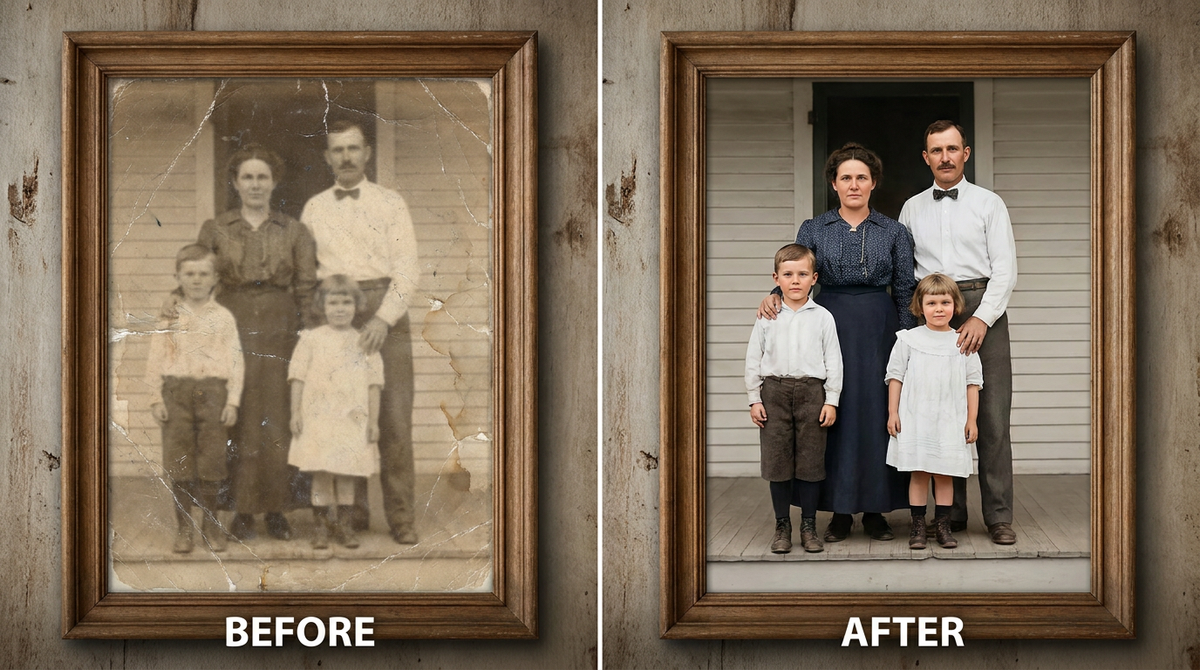
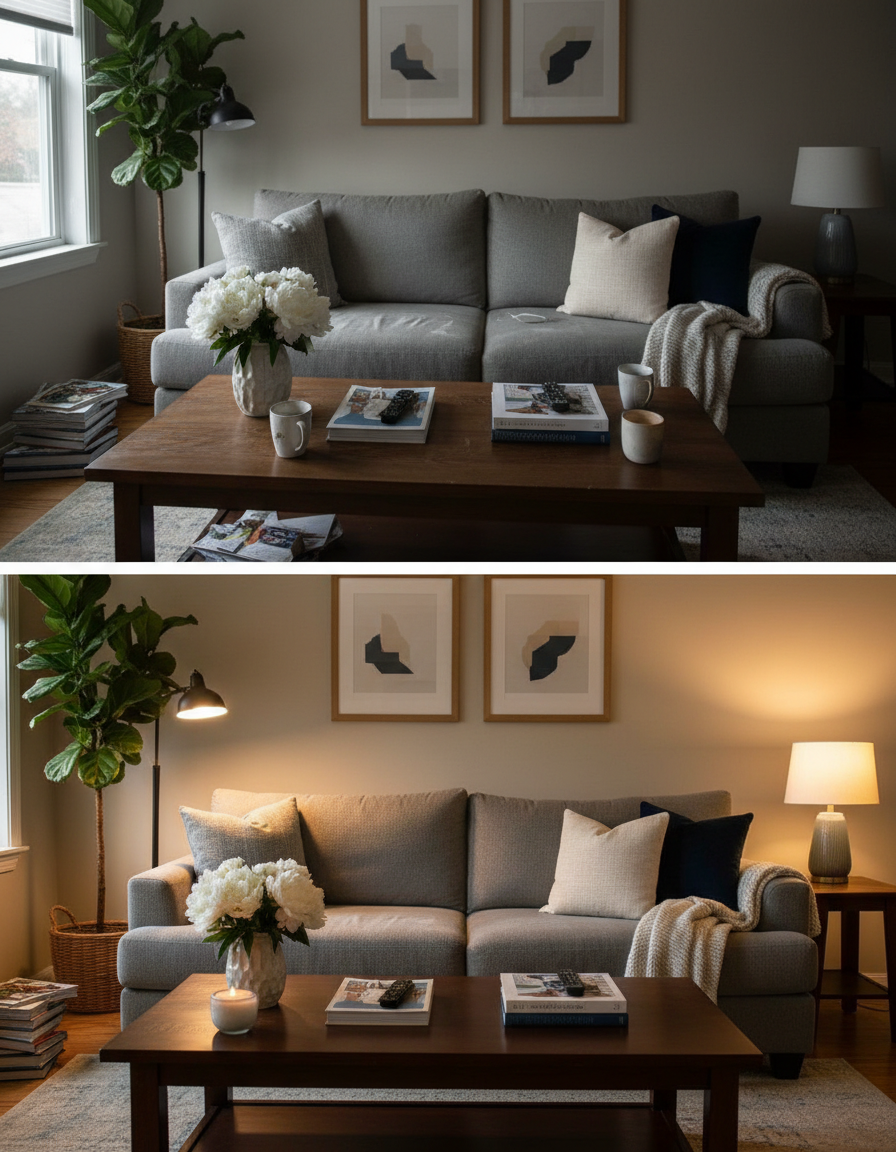
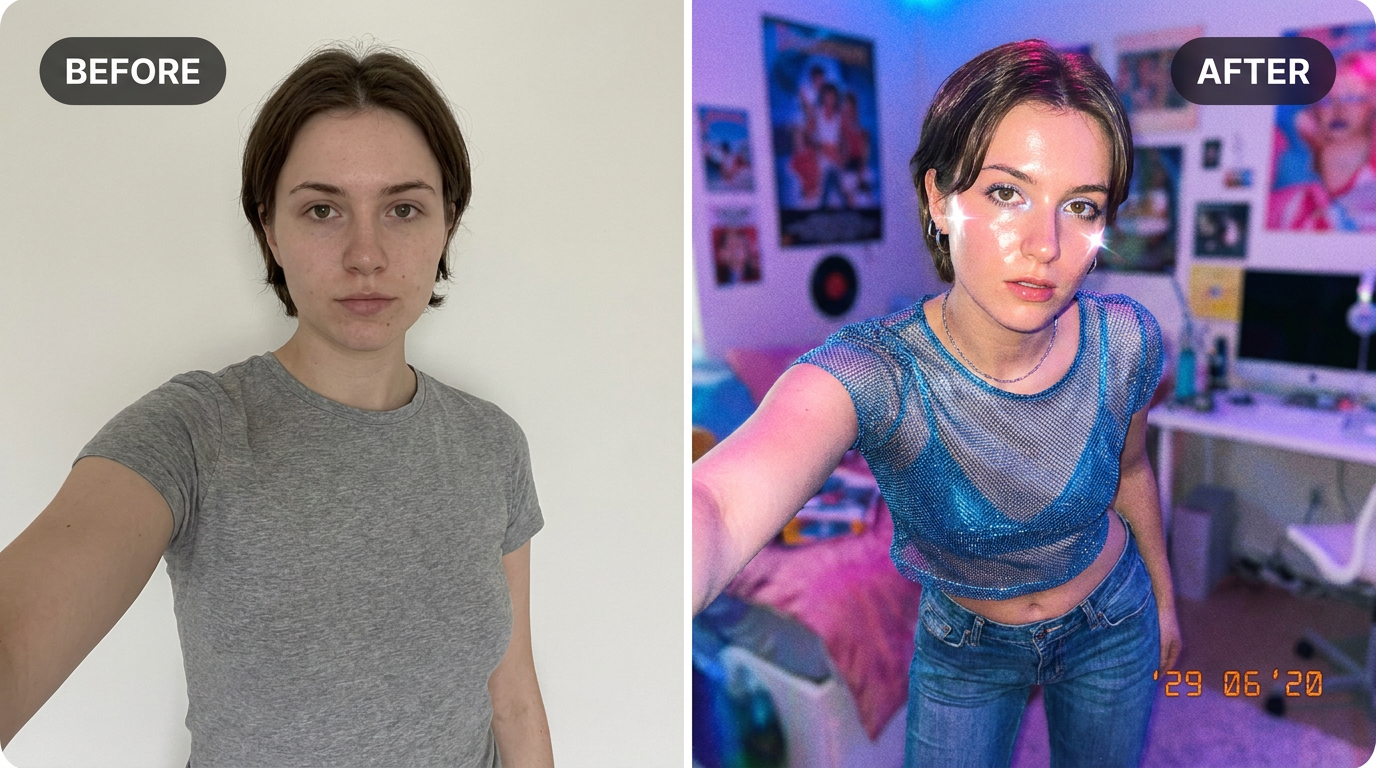
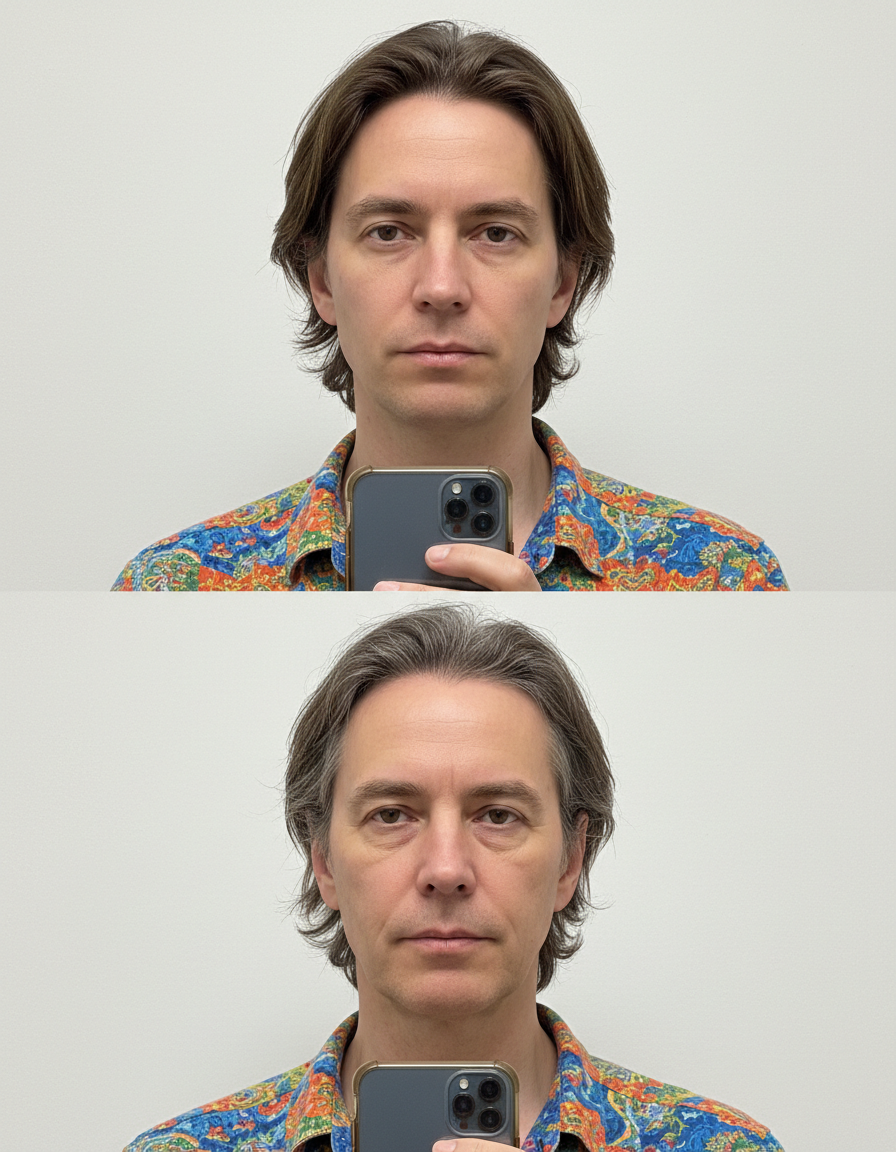
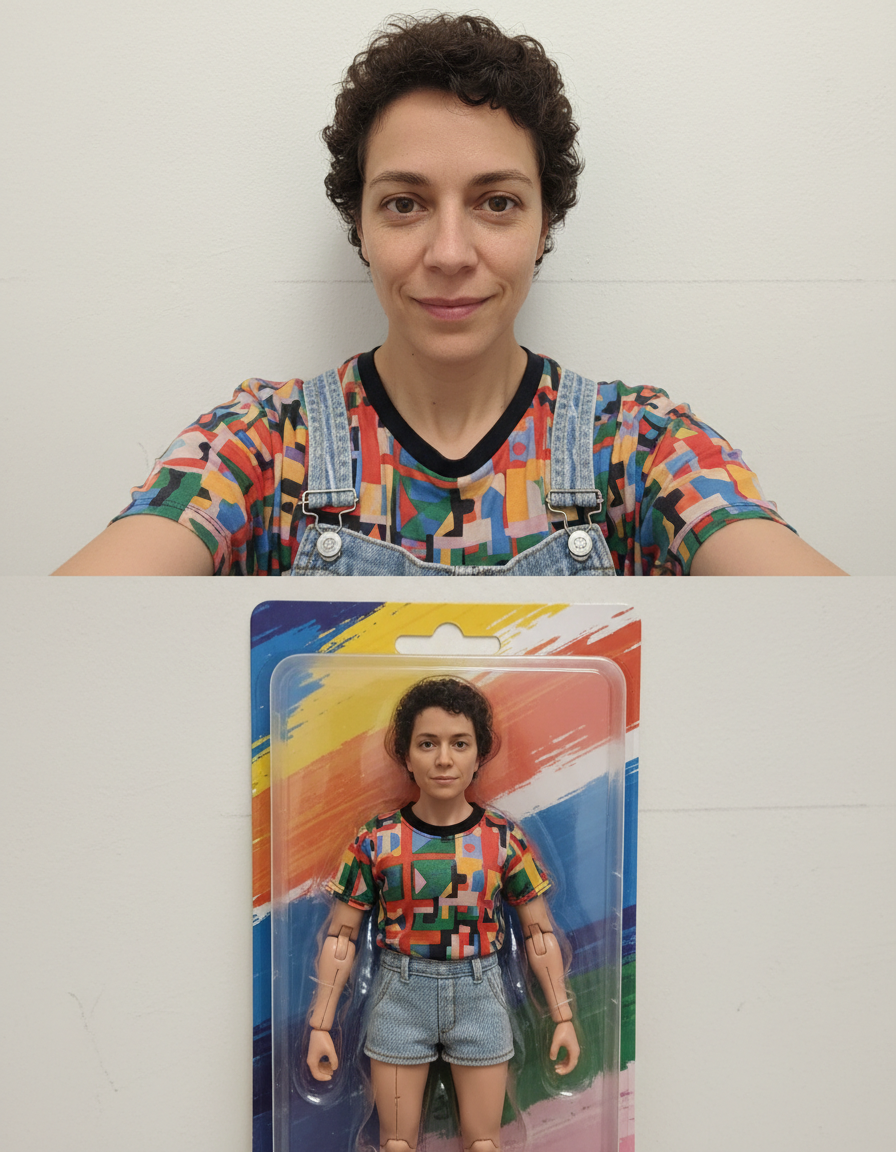
See it in action — real before & after


Why use Background Blur Tool
What Background Blur Tool does
Portrait-mode depth on any photo.
Full resolution
The download is not a downscaled preview, so it works in print as well as on a listing.
Edges that hold up
Hair, fur, fabric weave and glass are the test of a cutout. Fine detail is kept instead of being simplified into a smooth outline.
Real transparency
A genuine alpha channel, not white pixels pretending to be transparent — which is what breaks a logo placed on a coloured page.
Lighting matched to the new scene
Light direction and colour temperature on the subject are adapted to the replacement background, which is what stops a composite looking pasted.
Contact shadows
A subject with no shadow floats. A soft contact shadow is what makes a product look like it is sitting on a surface.
What Background Blur Tool changes
Apply a believable shallow depth of field: keep the subject sharp, blur the background progressively with distance, and render the out-of-focus highlights as natural bokeh rather than a flat gaussian wash.
Your face, bone structure and skin tone are held fixed on every generation — only what is described above is changed. Add your own brief in the Custom tab to take it further.
Background Blur Tool for every background problem
Removing a background and replacing one are different jobs with different failure modes. Both are here, along with the awkward cases in between.
Plain white for listings
Marketplace compliance, with even margins and a soft contact shadow so the product does not look cut out.
Studio backdrops
Seamless grey, dark gradient or a coloured sweep, with lighting to match — a studio look without the studio.
Office and professional settings
A softly defocused workplace behind a portrait, for headshots and team pages.
Outdoor and lifestyle scenes
Real environments with depth behind the subject, for product and lifestyle photography.
Key highlights of Background Blur Tool
Benefits
Works on hard edges
Hair, fur, foliage and transparency are the cases most tools quietly fail at.
Credits never expire
Buy a pack once and use it whenever the next batch of photos needs it.
Nothing to install
It runs in the browser on a phone or a laptop. No desktop app, no plugin, no account needed to look around.
No subscription
Credits are a one-time purchase, they never expire, and nothing renews on its own. Buy once and use them whenever.
Two models to choose from
Nano Banana and GPT Image handle the same job differently. If one result is not right, the other model often is.
What people use it for
What it is mainly used for
Portrait-mode depth on any photo. Pick a style, choose a model, and download the result at full resolution with no watermark.
Second-hand and resale listings
A clean background makes a used item look cared for, which is most of what a resale photo is doing.
Product photos for a marketplace
Amazon, Shopify, Etsy and Flipkart all specify a plain white main image, and rejections for background are common.
Headshots taken in the wrong room
A good portrait ruined by a kitchen behind it, fixed in one pass.
Logos and signatures
A scanned signature or a logo on white, converted into a transparent PNG that works on any page colour.
Prompt ideas
For a described background, specify the scene, the light and the perspective. The light is the part people forget, and it is the part that makes a composite convincing.
Specify pure white when it is required
"Pure white #FFFFFF, no gradient" for marketplace images — "white" alone often comes back very slightly grey.
Protect the edges
"Preserve fine hair detail and any transparency" helps on the genuinely hard subjects.
Keep the subject untouched
"Do not change the subject, only the background" prevents drift in the thing you were happy with.
Leave room for text
"Empty space on the right third" if the image is going into an ad or a banner with a headline on it.
Be concrete, not complimentary
"Soft light from the left, plain grey background" gives the model something to act on. "Beautiful, high quality, 8k" gives it nothing at all.
Change one thing at a time
If a result is close, edit a single detail and run it again. Rewriting the whole prompt gives you an unrelated image and no information about what the change did.
More about Background Blur Tool
Ask a small seller what stops them listing and a surprising number will say the background. The product is fine, the photo is sharp, and behind it is a kitchen. Background Blur Tool is the two-second version of a job that otherwise needs an editor and an hour.
The tell in a bad cutout is always the same: a faint halo of the old background around the hair, or an outline where fine detail has been simplified into a curve. Edge quality is the entire discipline, and it is where careless tools and careful ones diverge.
The second half of the job is light. A subject lit from the left, placed on a background lit from the right, looks wrong to everyone and almost nobody can say why. Matching direction and colour temperature is what makes a replacement read as a photograph rather than a composite.
Getting the best result from Background Blur Tool
- Keep the original file. It is a better base for the next attempt than a generated image is.
- For a matching set, keep the same source photo and style and change only one variable.
- Nothing you upload is published, shared or added to a gallery — but do not upload anything you would not want to leave your device at all.
- The free on-device tools — compress, convert, crop, resize, rotate — cost no credits, so use them for mechanical work.
- If a result is nearly right, say what is wrong with it in the next run rather than starting over.
- Good separation in the original helps most — a subject that contrasts with what is behind it gives a cleaner edge.
- Even lighting on the subject produces a better cutout than harsh directional light.
- For transparency, download PNG. JPG cannot carry an alpha channel at all.
It's free to try and runs online — nothing to install. Explore the rest of our AI Creative Apps, or open the full AI photo editor for more control.