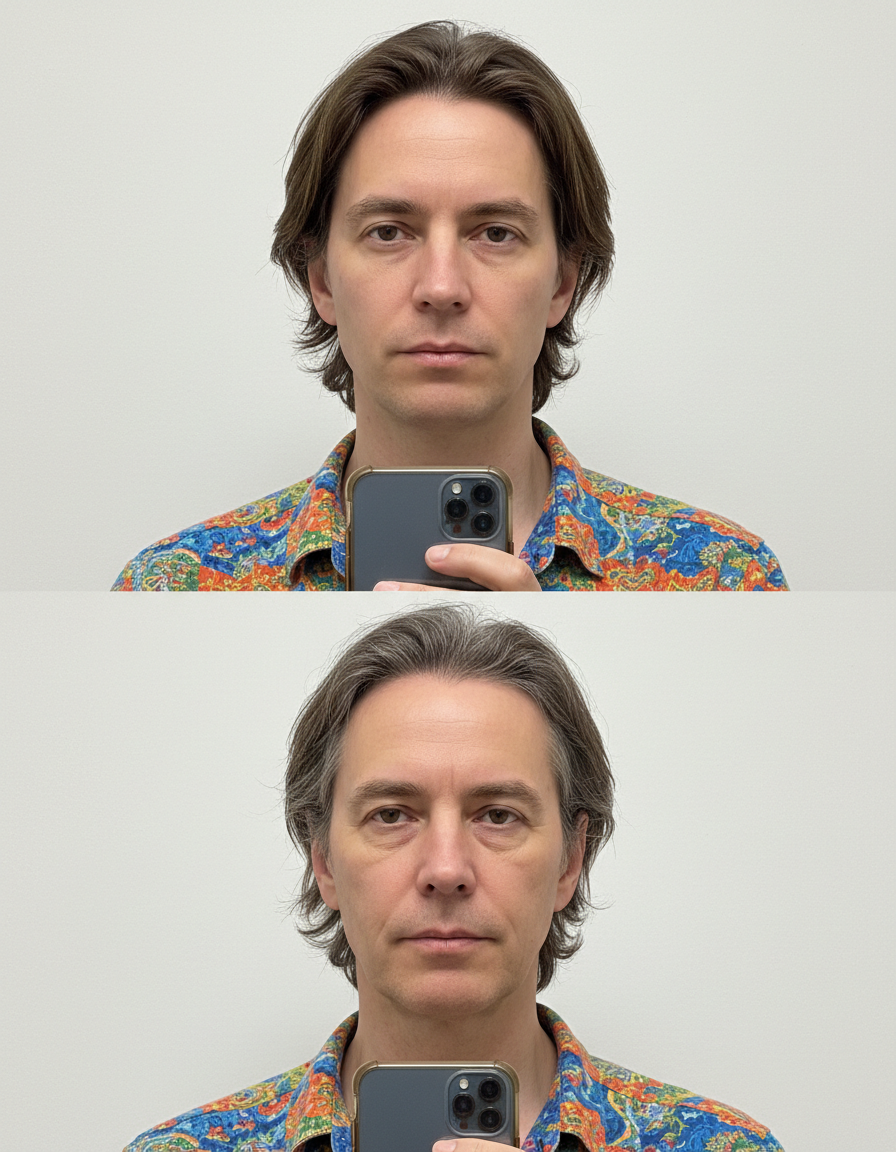
Hair Color Changer
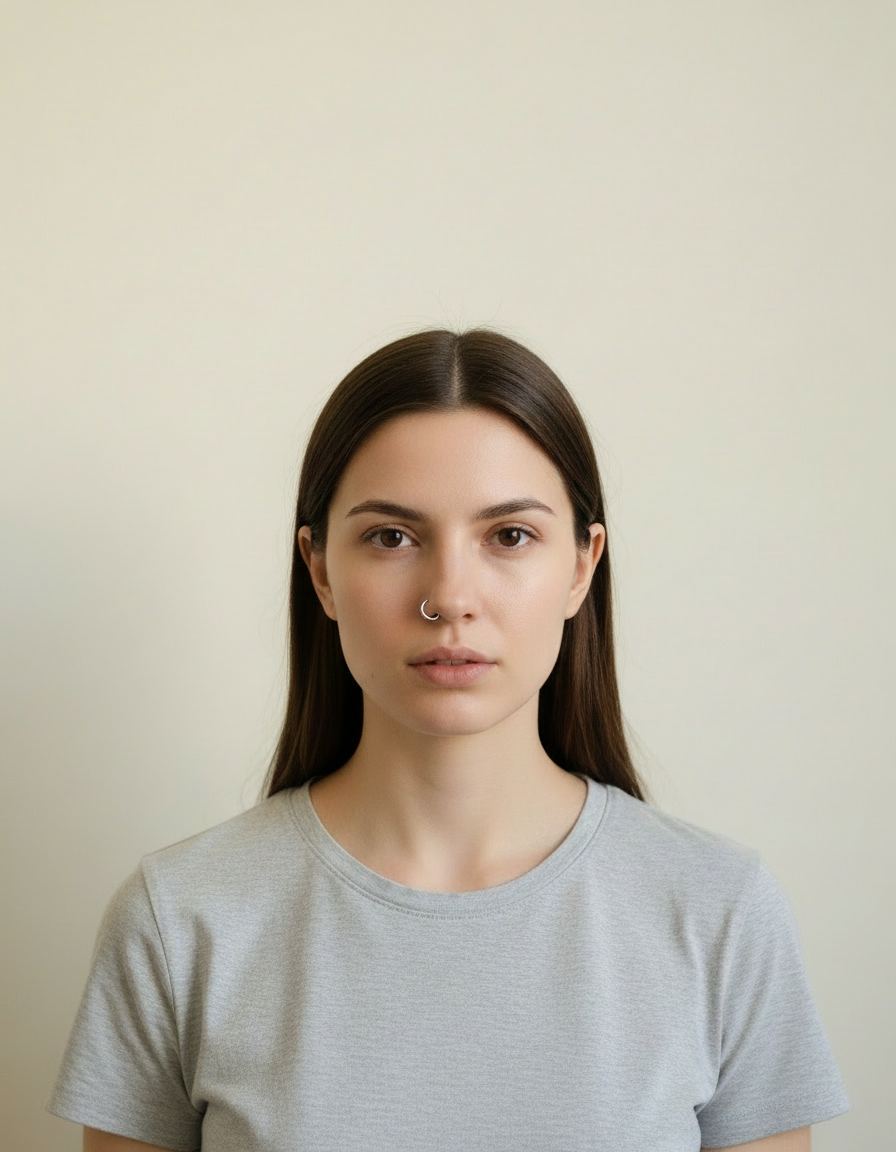
See a new hair colour on yourself. Pick a style, choose a model, and download the result at full resolution with no watermark.
Pick a style on the left, then hit Apply. Your original stays untouched — you always see both.
How to use Hair Color Changer
Upload the photo
Any JPG, PNG or WEBP. The more resolution the original has, the more the retouch has to work with — detail cannot be invented from a heavily compressed file.
Choose the fix
Pick the correction you need, or describe it in a sentence. Being specific about what to change, and what to leave alone, is most of the skill.
Compare, then download
Check the original against the result at full size before you commit. Download is full resolution, no watermark.
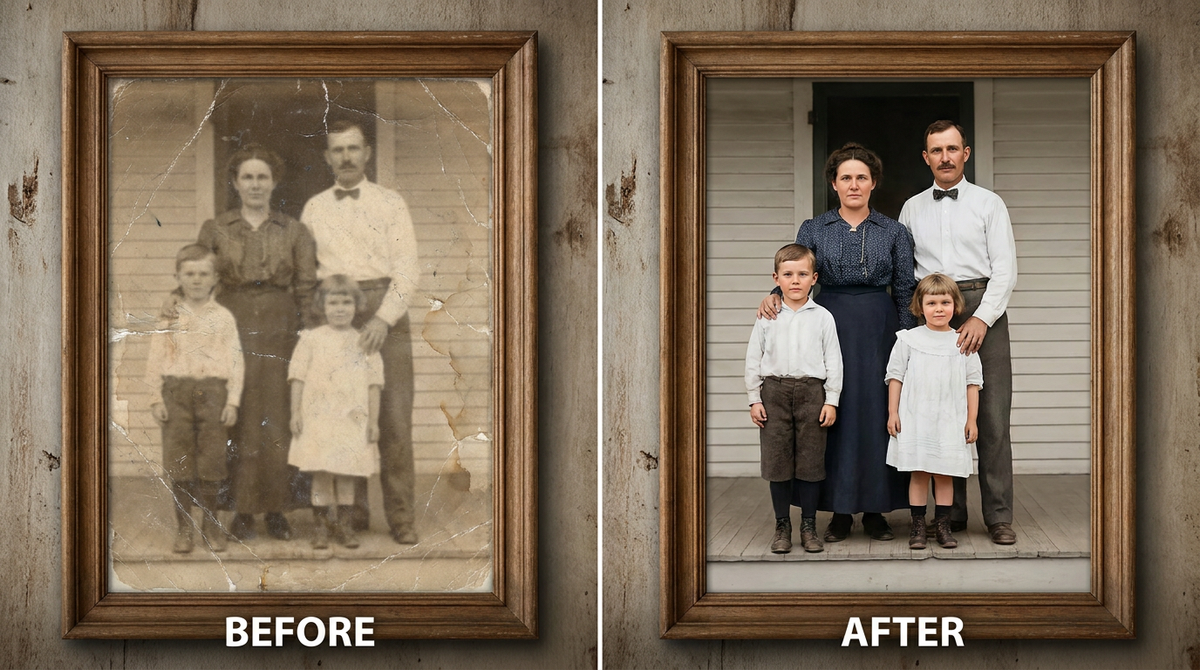
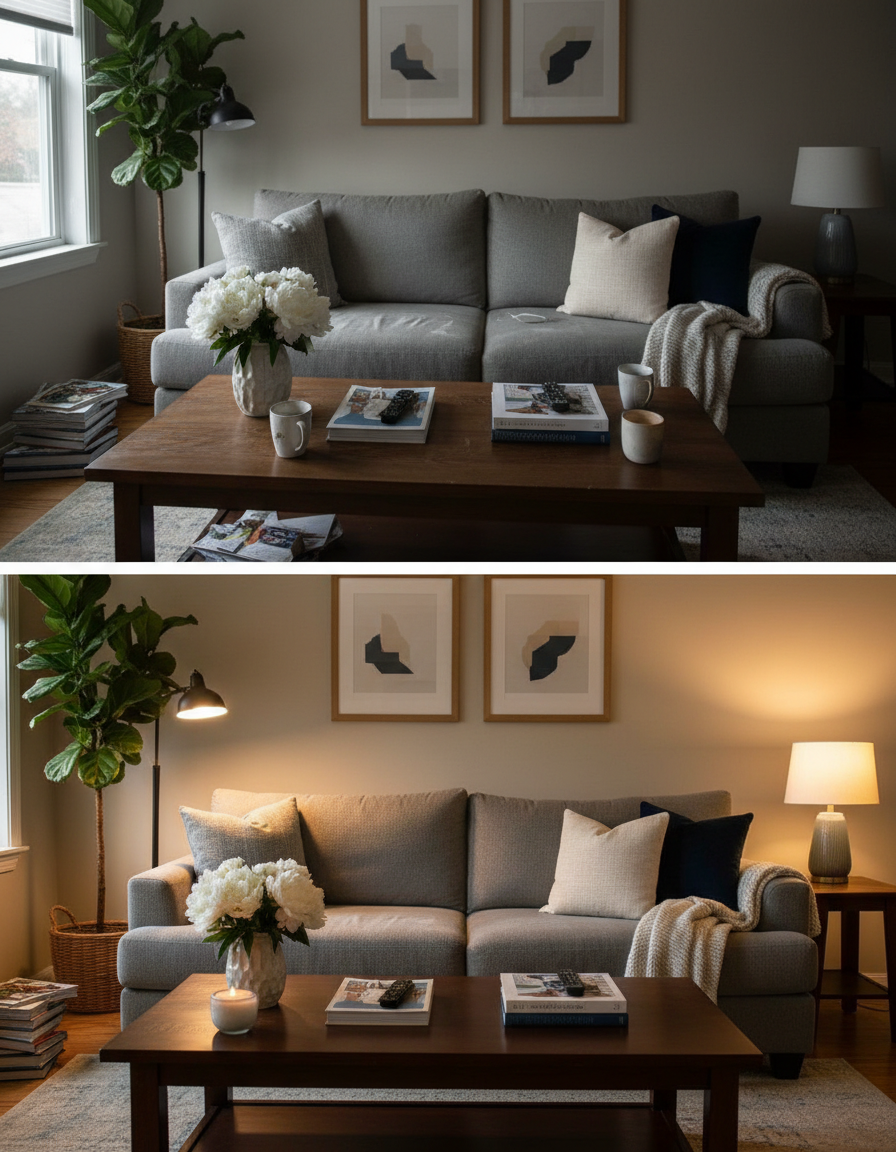
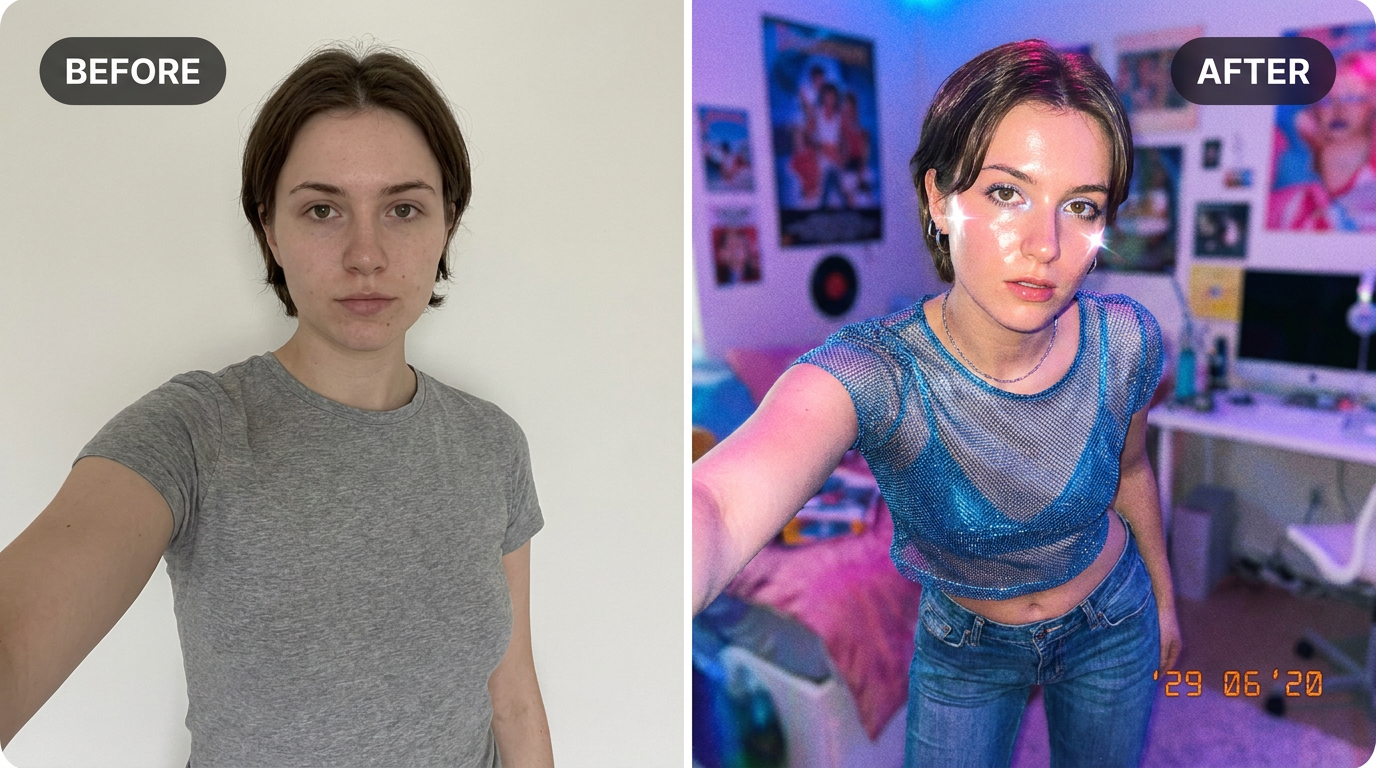
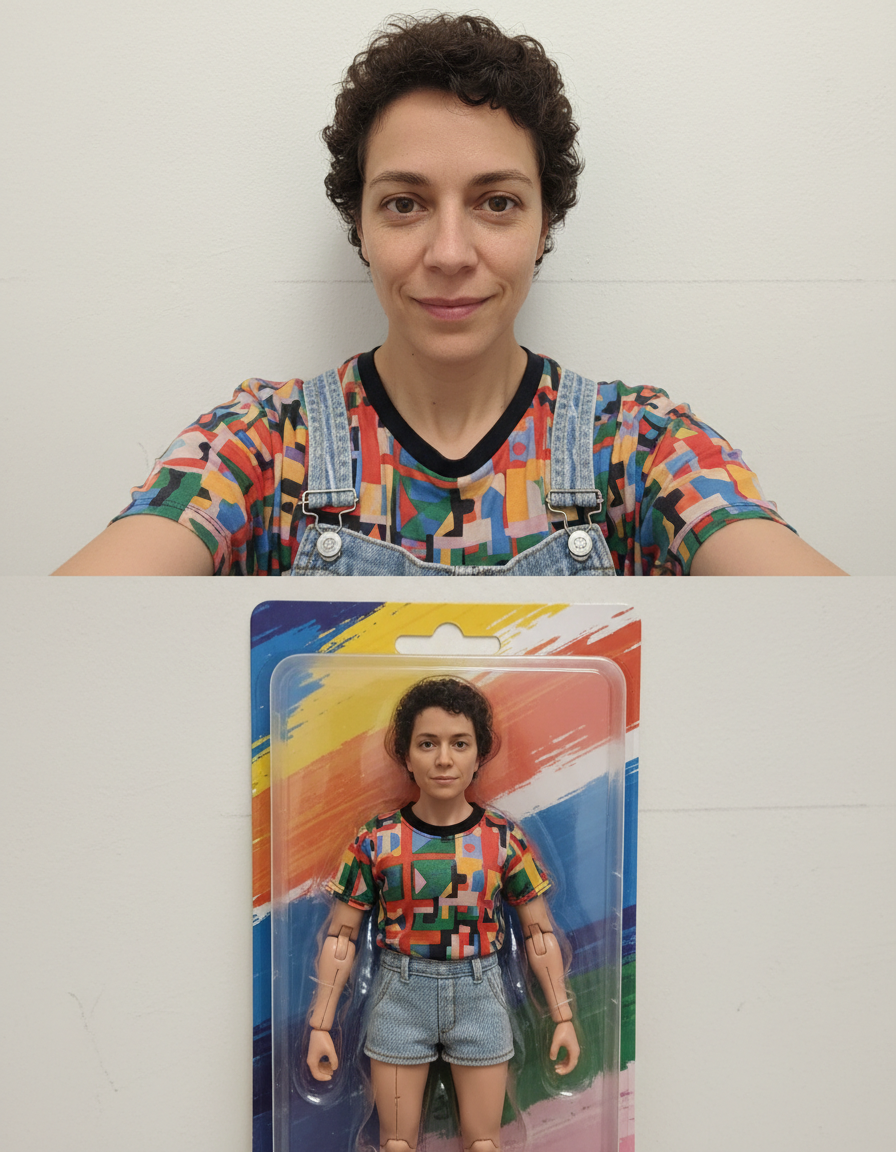
See it in action — real before & after
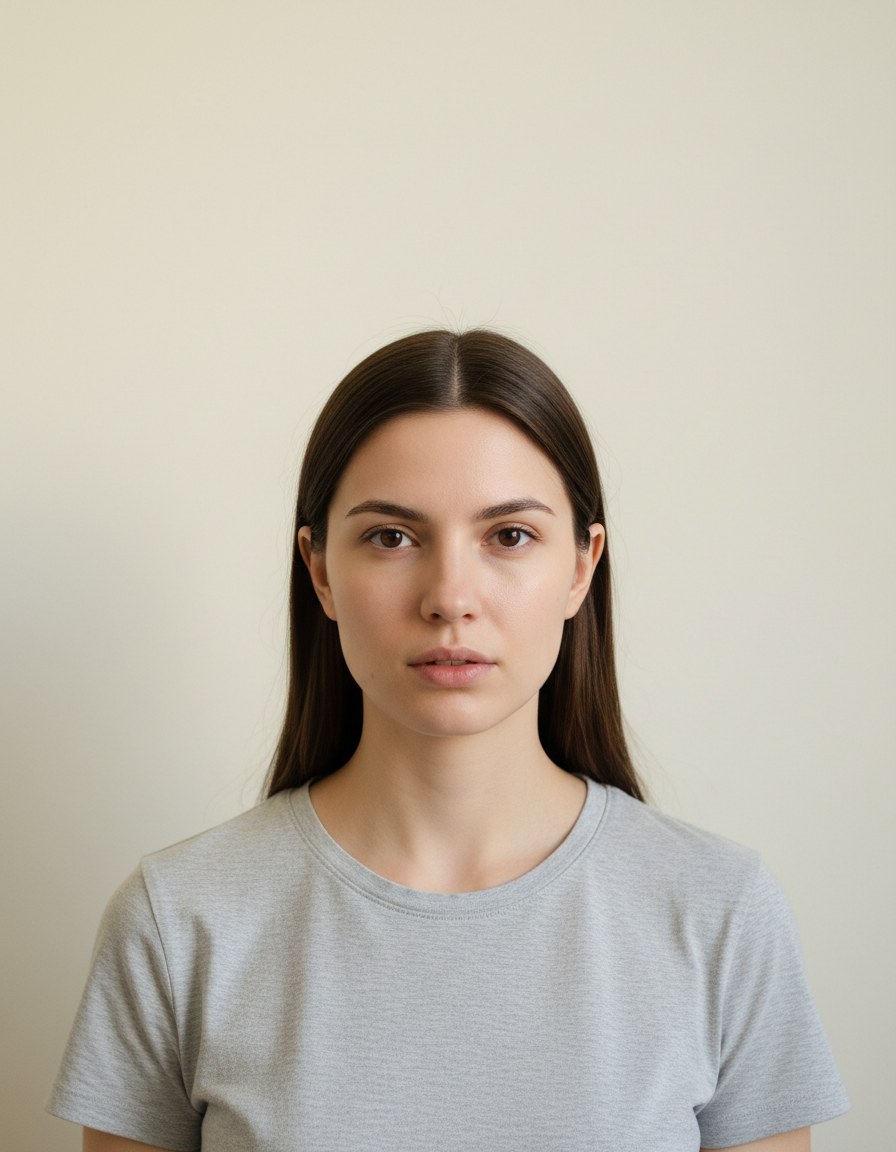

Why use Hair Color Changer
What Hair Color Changer does
See a new hair colour on yourself.
Consistent across a set
Apply the same correction to every photo from one event so the whole set matches rather than each frame looking individually processed.
No editor to learn
No frequency separation, no dodge and burn, no masks. The pass that takes an experienced retoucher ten minutes takes a sentence.
Full resolution out
The download is not a downscaled preview. It goes straight into a print, a listing or a profile.
Reversible, because you keep the original
Nothing is overwritten. If a correction goes too far, the original is still on your device.
Skin texture survives
Pores, fine lines and natural variation are kept. The plastic look comes from tools that treat skin as a surface to blur; this one treats it as skin.
What Hair Color Changer changes
Change the hair colour as specified: adjust root-to-tip variation, keep strand detail and specular highlights, and match the colour temperature to the photo's lighting.
Your face, bone structure and skin tone are held fixed on every generation — only what is described above is changed.
Hair Color Changer for the fixes that actually come up
Most retouching is a handful of recurring problems. Each one has a specific fix rather than a general "enhance" slider.
Old scans and phone photos
Grain, noise and compression artefacts reduced without smearing away the detail that was actually captured.
Before-and-after documentation
Fitness, dental, cosmetic and renovation photos, where matching the lighting between two frames is the whole job.
Portraits and profile photos
Temporary blemishes, shine, stray hair and flash red-eye — the four things that stop an otherwise good photo of a person being usable.
Colour and exposure correction
Fluorescent green, tungsten orange, a flat grey day. Getting the white balance right fixes photos people assume are unfixable.
Key highlights of Hair Color Changer
Benefits
Cheap enough for a whole set
A pack starts at $2, so fixing every photo from an event is realistic rather than something you do to one and give up on.
Nothing to install
Runs in the browser, on a phone as readily as a laptop.
Predictable results
A named fix does the named thing. There is no single mystery "enhance" button doing five things at once.
Print and marketplace ready
Full resolution with no watermark, which is what a listing or a printer actually needs.
Credits never expire
Buy once, use them whenever the next batch of photos turns up.
What people use it for
What it is mainly used for
See a new hair colour on yourself. Pick a style, choose a model, and download the result at full resolution with no watermark.
Documentation and comparison photos
Two photos matched for light and colour so the difference between them is the actual subject.
Older phone photos
Noise and compression from an earlier phone, cleaned up enough to print.
A profile photo with one distracting spot
The single most common reason a good photo of someone goes unused.
Indoor photos with a colour cast
Office and restaurant lighting turns skin green or orange. Correcting the white balance rescues photos people had written off.
Prompt ideas
Name the specific problem and, just as importantly, say what to leave alone. Retouching prompts fail by being too broad — "make it better" invites the model to change things you were happy with.
Try the other model
If a prompt is being ignored, switching between Nano Banana and GPT Image often resolves it faster than rewording.
Describe the light
Direction, softness and colour temperature. Light does more to how a photograph feels than any other single thing you can specify.
Re-run before rewriting
Generation is not deterministic. The same prompt twice gives two different results, and the second is sometimes simply better.
Name the flaw, not the mood
"Remove the spot on the left cheek" beats "clean up the face", which is an invitation to smooth everything.
Say what to preserve
"Keep skin texture and pores" is the single most useful phrase in a retouching prompt.
Fix light and colour separately
"Correct the green fluorescent cast" and "lift the shadow on the right side" are two different jobs; asking for both at once gives you a compromise.
More about Hair Color Changer
Upload the photo, pick what needs fixing, and download. Each pass costs 2 credits from a one-time pack, which means fixing a set of photos one at a time is affordable rather than a project.
Retouching has a reputation problem, and it is deserved — most automatic tools smooth skin into plastic and call it enhancement. Hair Color Changer is built on the opposite assumption: the best retouch is the one nobody can point at.
Almost every photo that gets deleted is technically fixable. A colour cast from office lighting, a shine across the forehead from a flash, one temporary blemish the eye goes straight to. None of those are problems with the subject; they are problems with the room, and rooms are fixable.
Getting the best result from Hair Color Changer
- Do not expect detail to appear that the camera never recorded; a blurred photo can be sharpened, not reconstructed.
- For documentation photos, match the light between frames rather than perfecting either one alone.
- Start from the largest, least compressed original you have — a screenshot of a photo has already lost detail that cannot be recovered.
- Soft, even light in the source photo gives the best result almost regardless of what you are generating.
- Judge every result at full size, not zoomed out. Problems hide at small sizes.
- Generate two or three times before deciding. Results vary between runs, and the first is not reliably the best.
- Check hands, text, jewellery and glasses in any result before sharing it — those are still where image models most often slip.
- Choose the aspect ratio before generating rather than cropping afterwards.
It's free to try and runs online — nothing to install. Explore the rest of our AI Creative Apps, or open the full AI photo editor for more control.