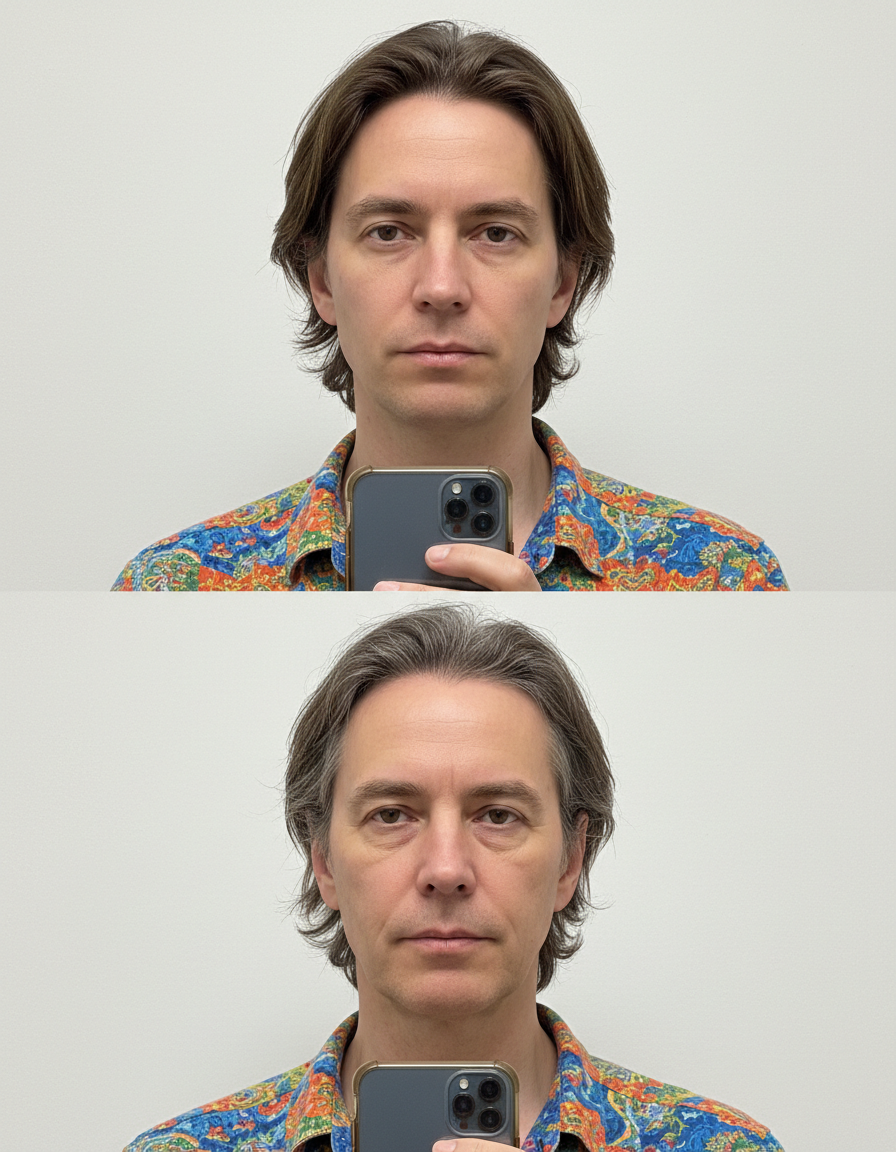
LinkedIn Profile Picture Maker
Professional, friendly, on-platform. Pick a style, choose a model, and download the result at full resolution with no watermark.
Pick a style on the left, then hit Apply. Your original stays untouched — you always see both.
How to use LinkedIn Profile Picture Maker
Upload your image
JPG, PNG or WEBP. If the asset is going to be cropped several ways, start from the widest, highest-resolution version you have.
Choose the platform and shape
Square, portrait, wide, circle-safe, bold or minimal. The choice sets the ratio and where the subject sits inside it.
Download and post
Correct dimensions, full resolution, no watermark. It uploads without the platform re-cropping it for you.
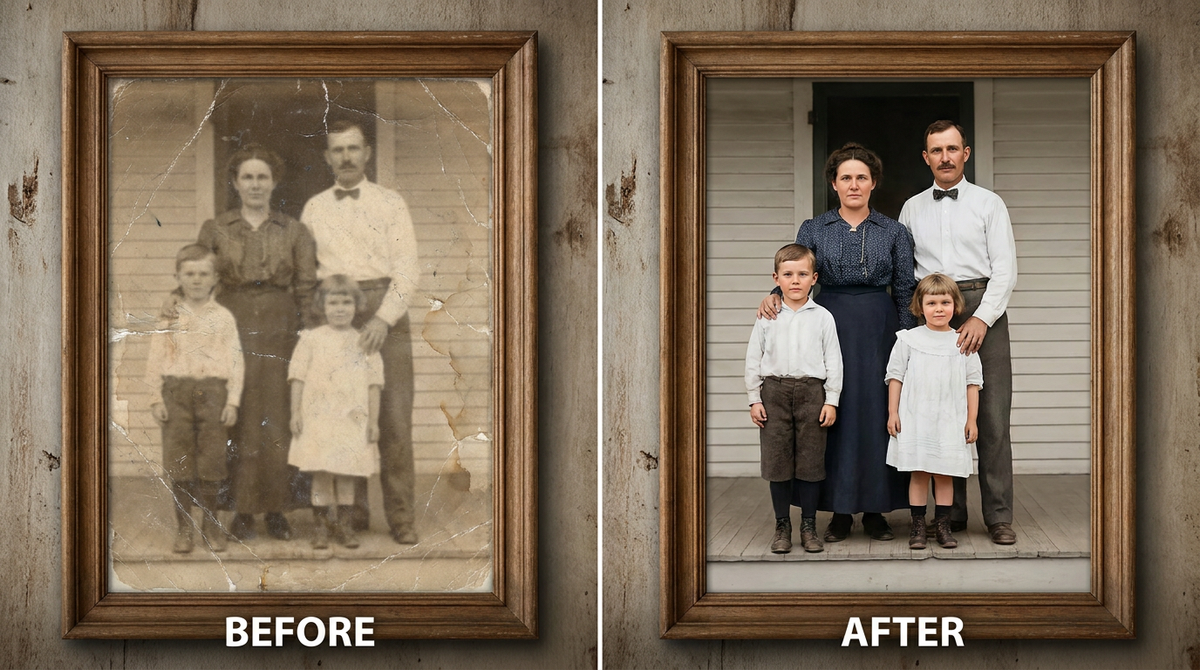
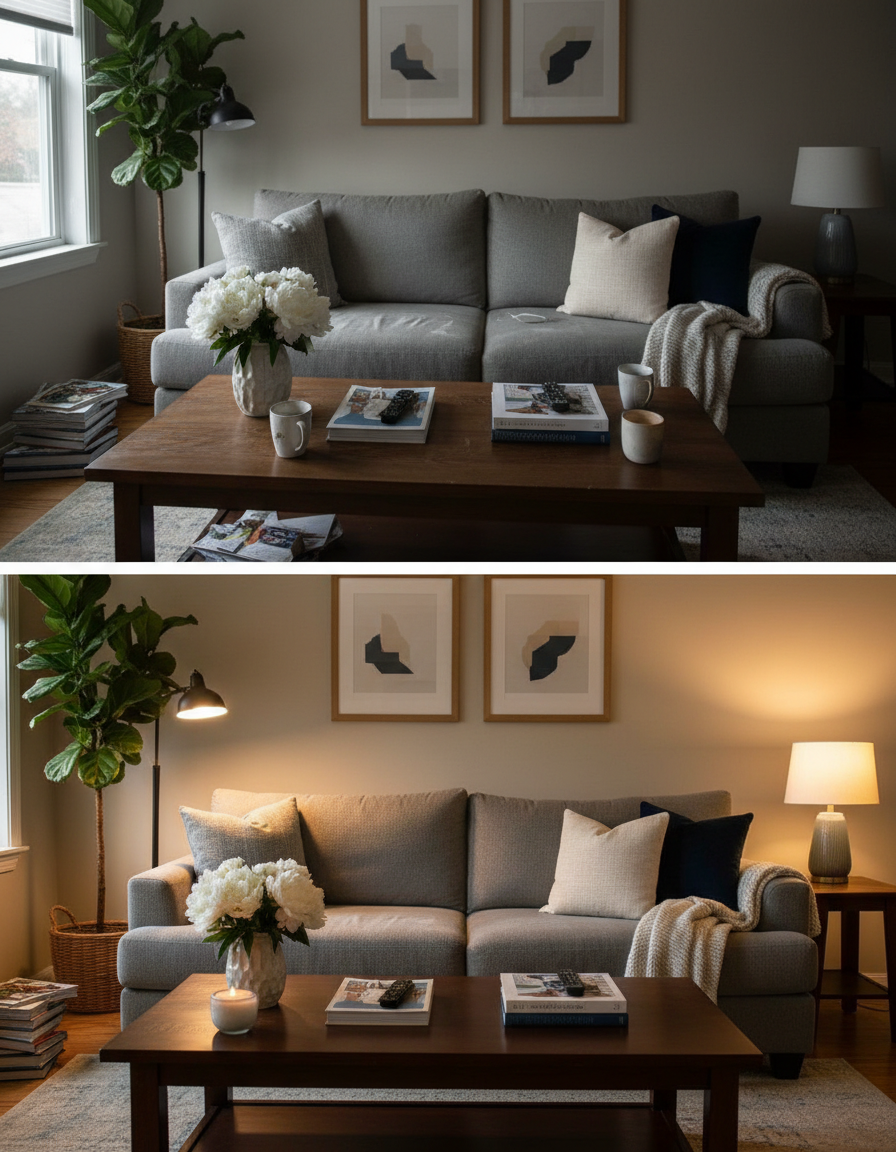
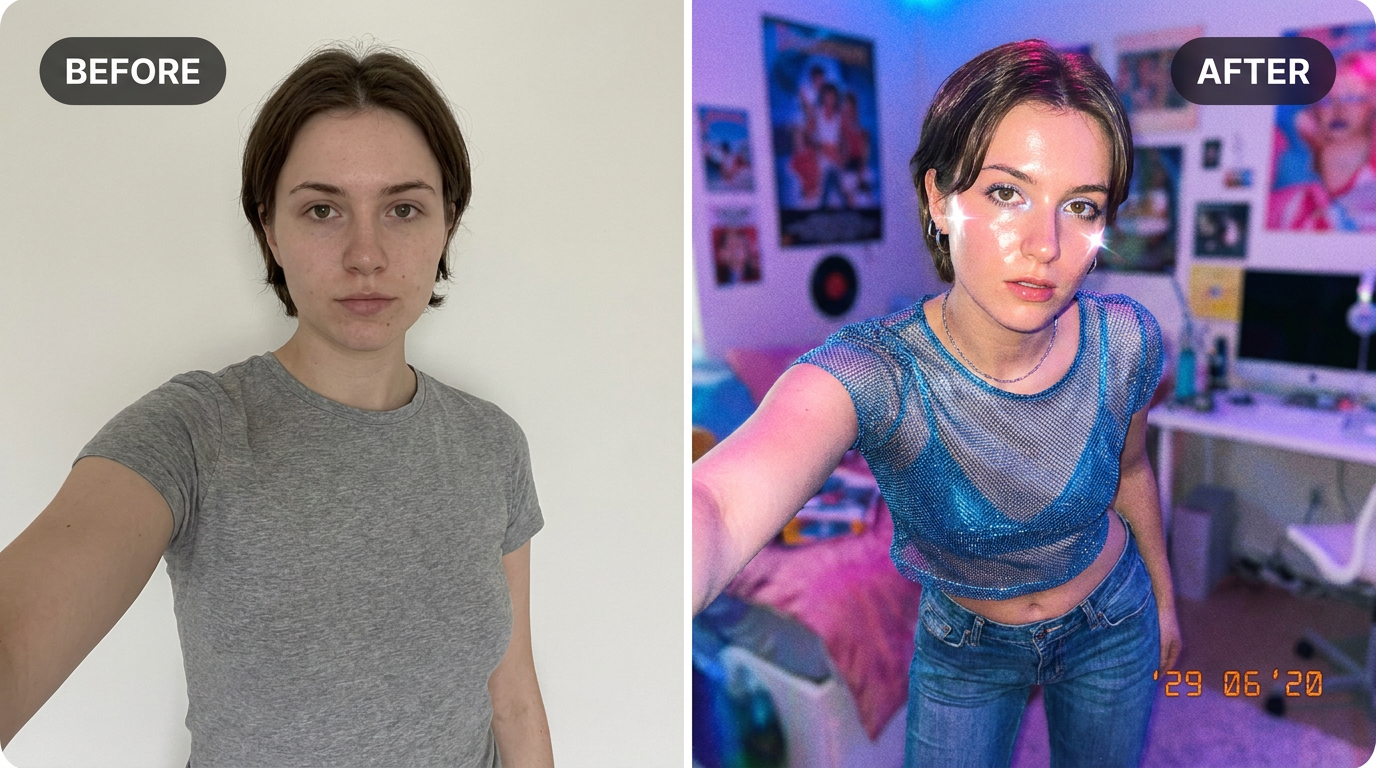
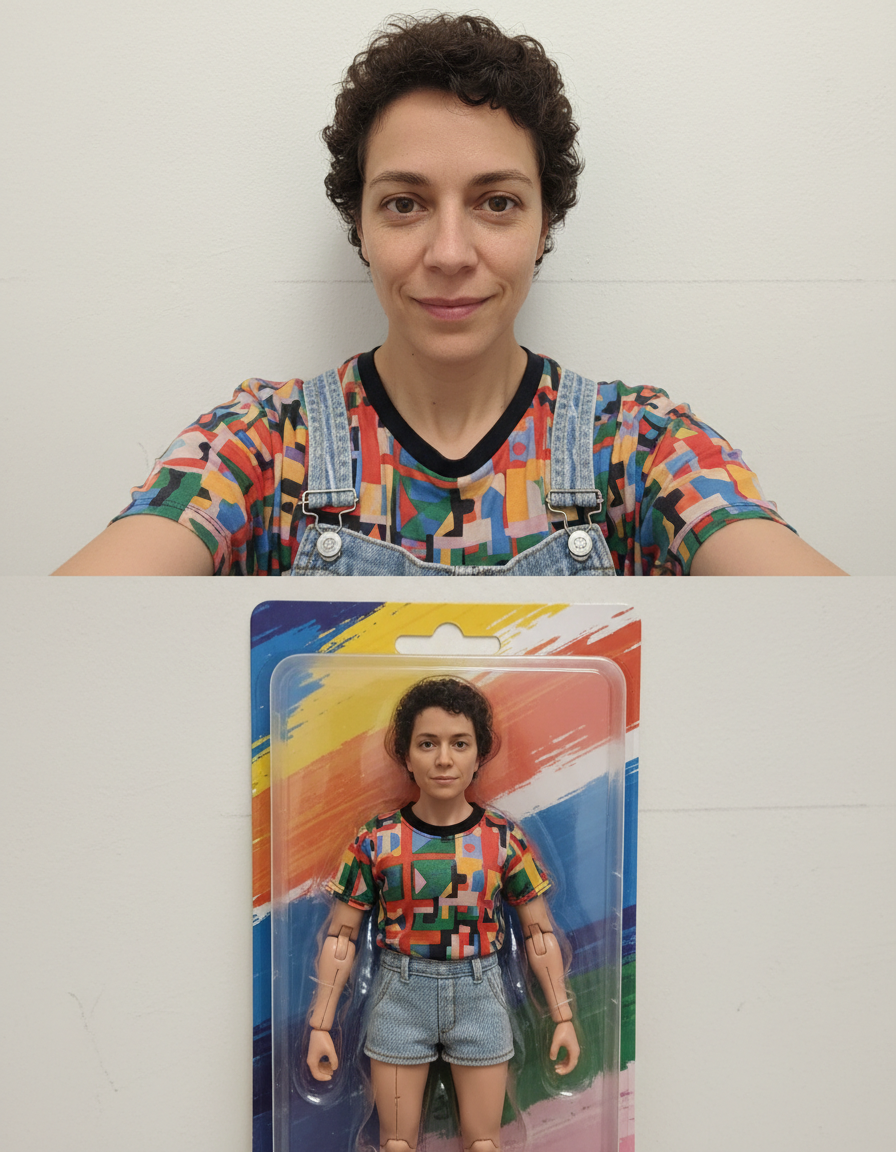
See it in action — real before & after

Why use LinkedIn Profile Picture Maker
What LinkedIn Profile Picture Maker does
Professional, friendly, on-platform.
Consistent across a profile
Avatar, banner and post images that read as one identity instead of three unrelated pictures.
One source, every shape
Generate square, portrait, wide and circular versions from a single upload.
Full resolution
Enough resolution that the platform's own compression does not visibly degrade it.
Correct dimensions per platform
The right ratio and pixel size, so the platform does not recompress and re-crop the image on upload.
Circle-safe composition
Avatars are masked to circles almost everywhere. Composing for that keeps the head centred and the corners expendable.
What LinkedIn Profile Picture Maker changes
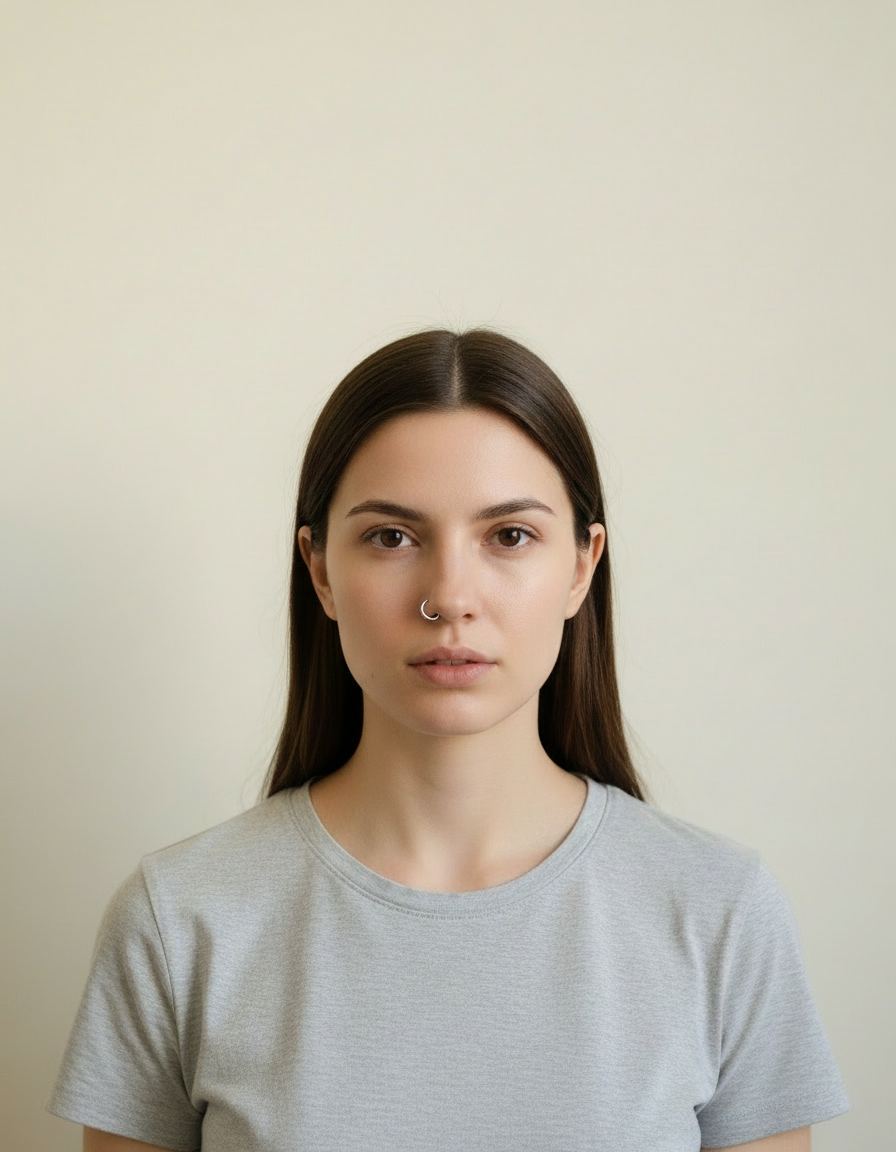
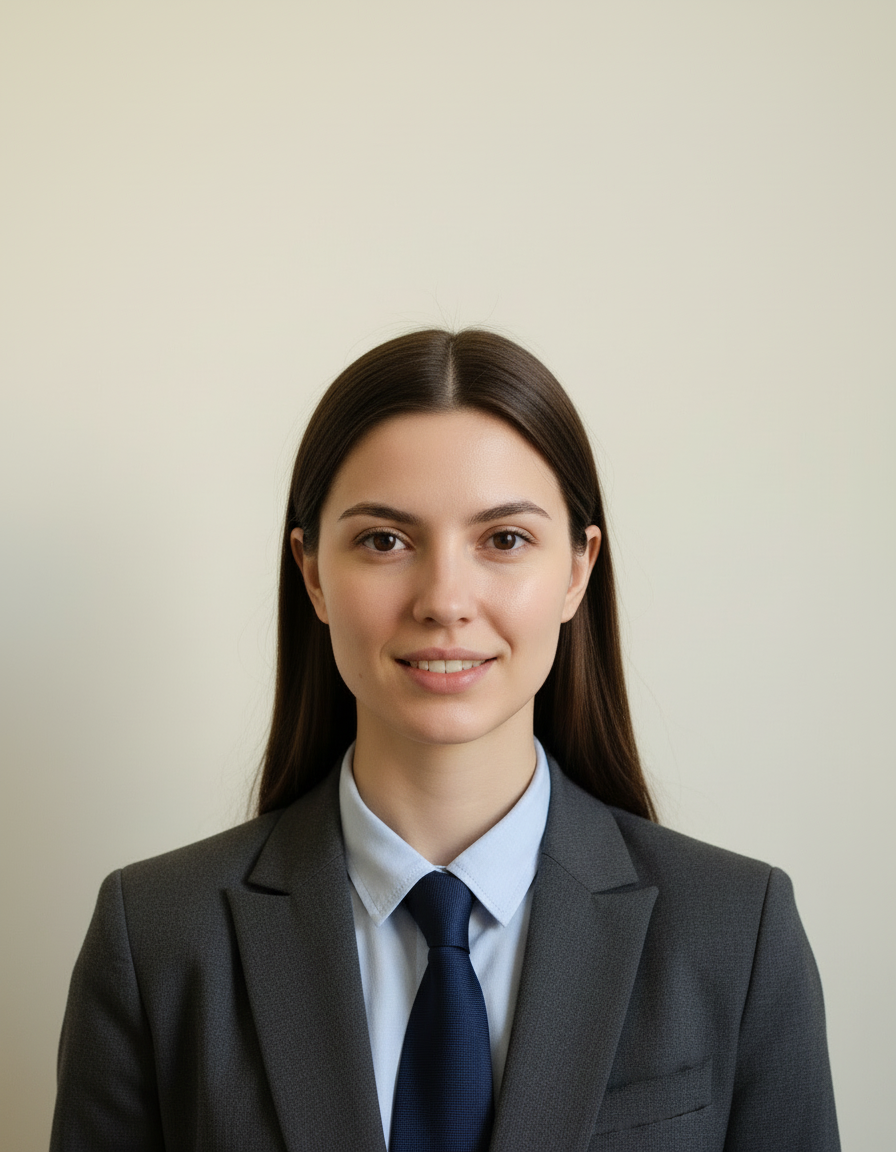
Create a LinkedIn profile picture: business-appropriate dress, clean even lighting, a simple neutral or softly blurred background, an approachable expression, framed head-and-shoulders.
Your face, bone structure and skin tone are held fixed on every generation — only what is described above is changed. Add your own brief in the Custom tab to take it further.
LinkedIn Profile Picture Maker for every slot a profile has
A profile is a set of images with different jobs. Each one is cropped, masked and overlaid differently.
Link previews and OG cards
The 1200×630 card that appears whenever a link is shared anywhere.
Profile pictures and avatars
Circle-safe, legible at 40 pixels, recognisable as the same person or brand across platforms.
Banners and cover images
Wide, composed around the elements the platform lays over them.
Feed posts
Square and 4:5, which is the ratio that occupies the most vertical space in most feeds.
Key highlights of LinkedIn Profile Picture Maker
Benefits
Fast enough to keep up
Social content is time-sensitive; this is minutes, not an afternoon.
No watermark
Nothing overlaid, at full resolution.
Credits never expire
One purchase, used whenever the next post needs an image.
Nothing to install
It runs in the browser on a phone or a laptop. No desktop app, no plugin, no account needed to look around.
No subscription
Credits are a one-time purchase, they never expire, and nothing renews on its own. Buy once and use them whenever.
What people use it for
What it is mainly used for
Professional, friendly, on-platform. Pick a style, choose a model, and download the result at full resolution with no watermark.
Ad creative variants
Several ratios and crops of one concept, for testing across placements.
Team and community profiles
Consistent avatars across a group, which makes a community look organised.
Seasonal profile refreshes
A quick restyle for a campaign or a holiday, without redesigning anything.
A new profile photo across every platform
One portrait, composed correctly for a circular avatar, a square post and a wide banner.
Prompt ideas
Say where the subject should sit and where the text is going. Social composition is mostly about reserving space, and a prompt that does not mention the text is the reason the headline ends up over someone's face.
Ask for thumbnail legibility
"High contrast, readable at 100 pixels wide", because that is the size most people will first see it.
Set the ratio explicitly
"9:16 vertical" or "1200x630". Pick it before generating; cropping afterwards loses part of the frame.
Keep the brand colours
"Use a deep orange and near-black palette" keeps a set of assets looking related.
Avoid generated text
Ask for space for text rather than for text itself — generated lettering is still unreliable, and real type will always look better.
Be concrete, not complimentary
"Soft light from the left, plain grey background" gives the model something to act on. "Beautiful, high quality, 8k" gives it nothing at all.
Change one thing at a time
If a result is close, edit a single detail and run it again. Rewriting the whole prompt gives you an unrelated image and no information about what the change did.
More about LinkedIn Profile Picture Maker
The work is composition rather than decoration. Knowing that a circular avatar crops the corners, that a cover image is overlaid by a profile photo in the lower left, that a story has interface elements across the top and bottom — those constraints decide where the subject and any text can actually go. Producing the right pixel dimensions is the easy half.
Upload, pick the platform and the shape, and download. Each generation costs 2 credits from a one-time pack, so producing the same asset in four ratios is a few cents rather than an afternoon in a design tool.
Every platform crops differently, and each one crops in a way that is easy to forget until it has already happened. A rectangular avatar masked into a circle loses the top of someone's head. A cover photo has a profile picture sitting over one corner. LinkedIn Profile Picture Maker composes for the shape the image will actually appear in.
Getting the best result from LinkedIn Profile Picture Maker
- Look at the result at thumbnail size. If it does not read at 100 pixels, it does not work in a feed.
- Ask for space for text instead of asking for the text itself; add real type afterwards.
- Keep a consistent palette across avatar, banner and posts — consistency is what reads as a brand.
- Export at the platform's stated dimensions so its own compression has less to do.
- For stories, keep everything important out of the top and bottom sixth of the frame.
- Generate a few variants and look at them in the actual feed before choosing.
- Keep the source image; the next platform will want a different shape.
- Start from the largest, least compressed original you have — a screenshot of a photo has already lost detail that cannot be recovered.
It's free to try and runs online — nothing to install. Explore the rest of our AI Creative Apps, or open the full AI photo editor for more control.