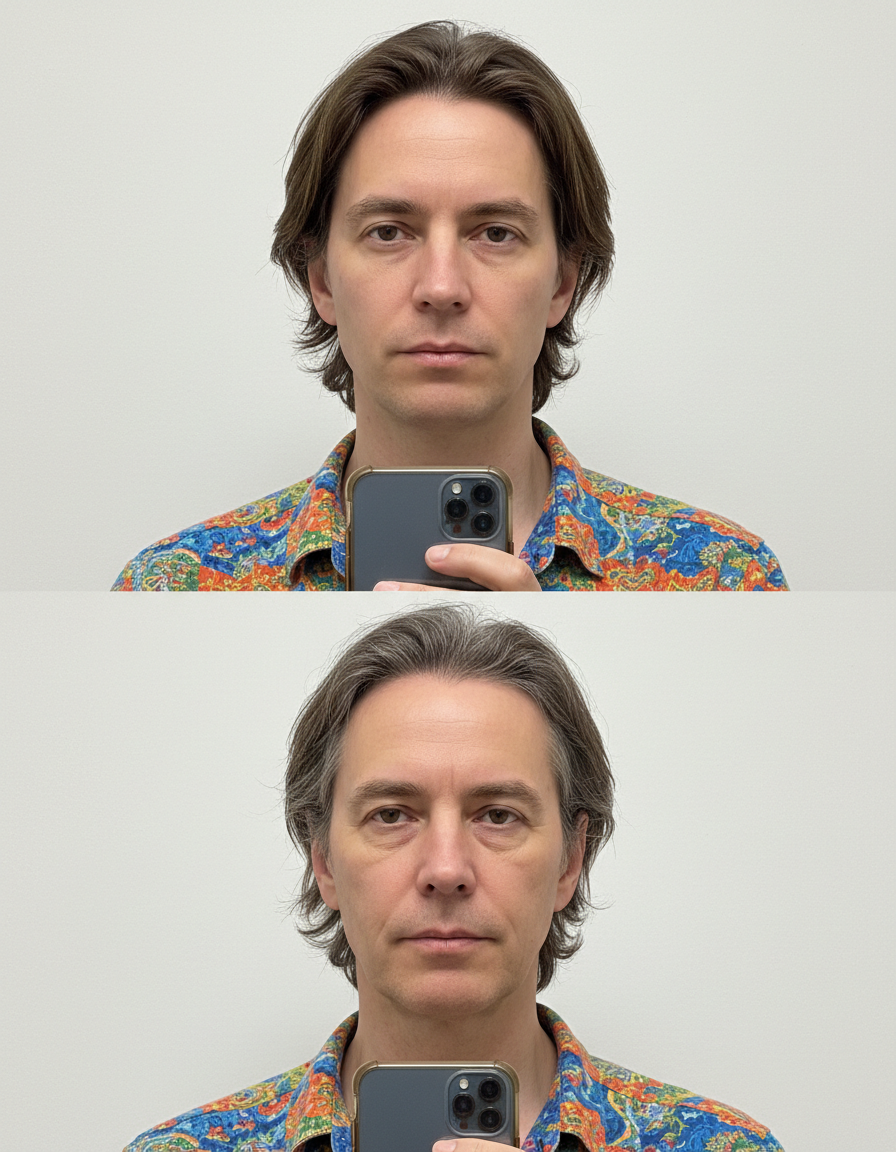
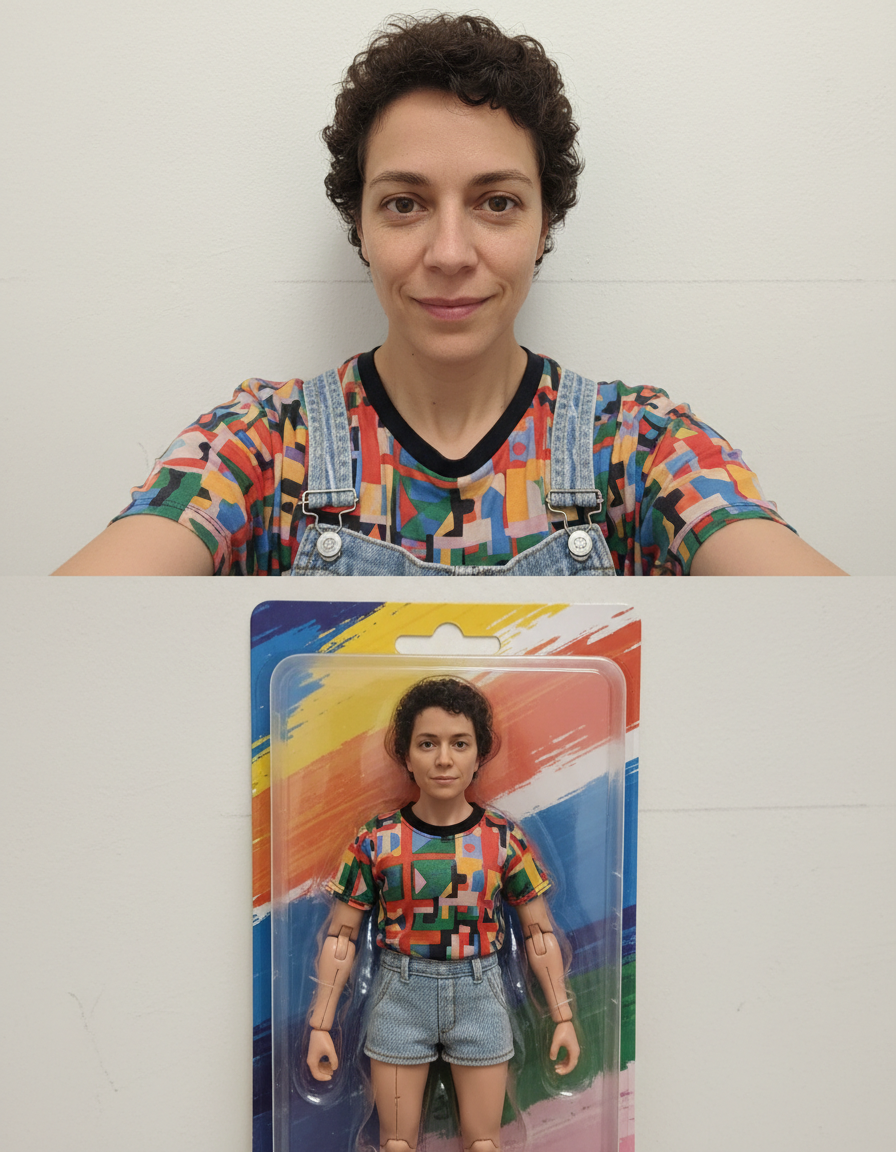
Remove People from Photos
Clear the background crowd. Pick a style, choose a model, and download the result at full resolution with no watermark.
Pick a style on the left, then hit Apply. Your original stays untouched — you always see both.
How to use Remove People from Photos
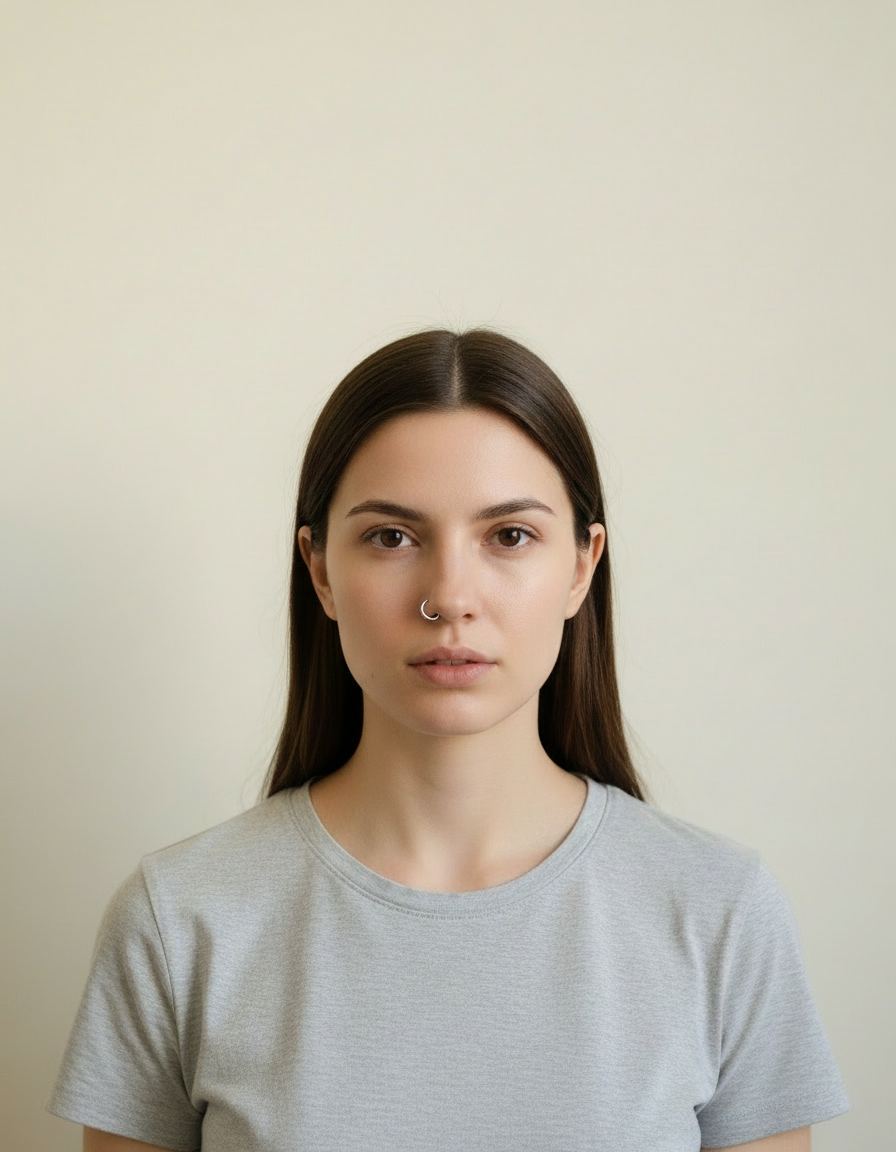
Upload the photo
JPG, PNG or WEBP at the highest resolution you have. The fill is built from surrounding detail, so there needs to be surrounding detail to build from.
Say what to remove
Name the object and where it is: "the person on the right", "the watermark across the centre", "the bin in the bottom left". Location does most of the work.
Check the fill, then download
Look at the filled area at full size before using it. Full resolution out, no watermark added.
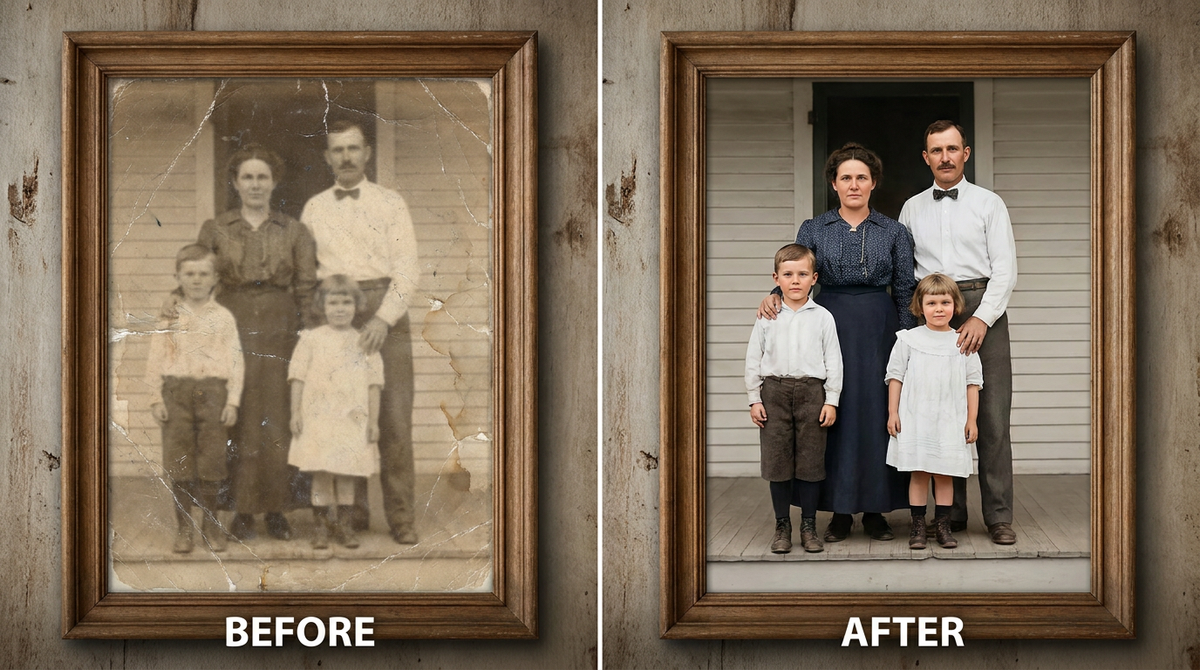
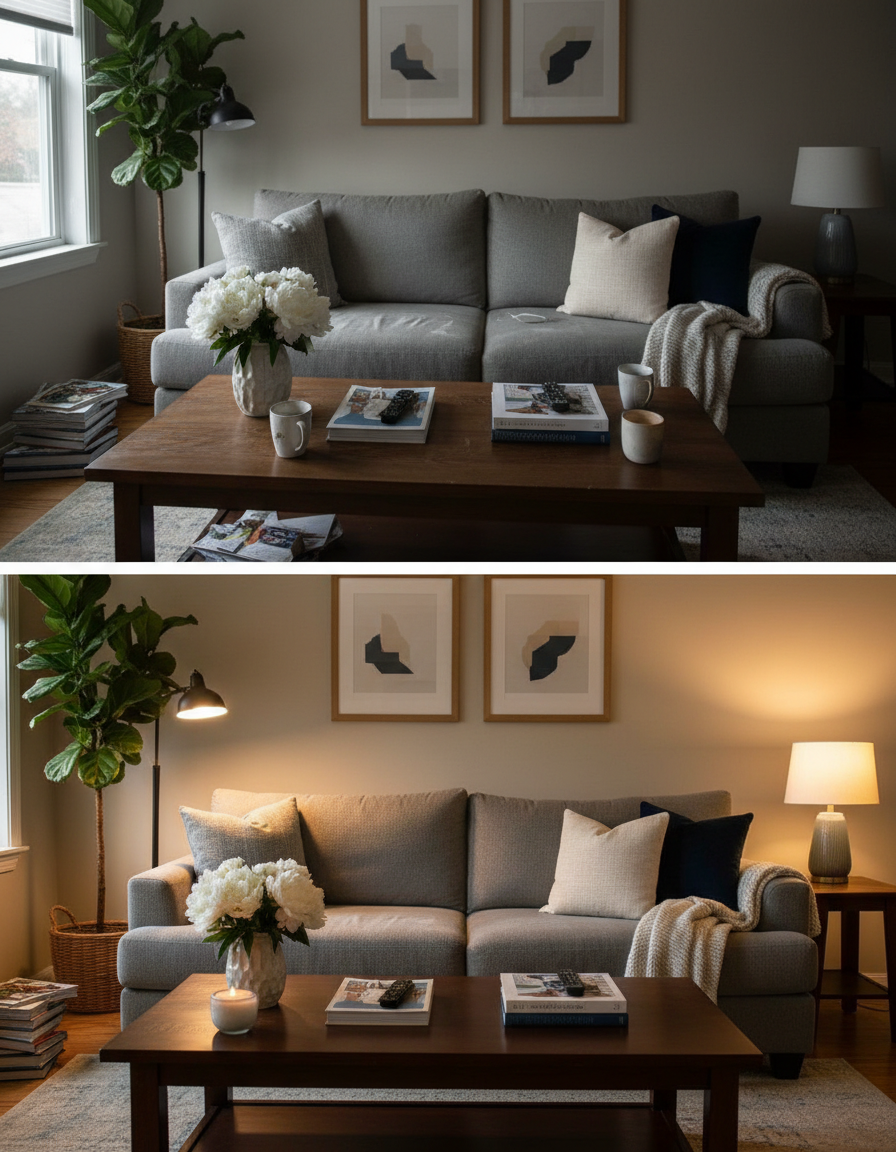
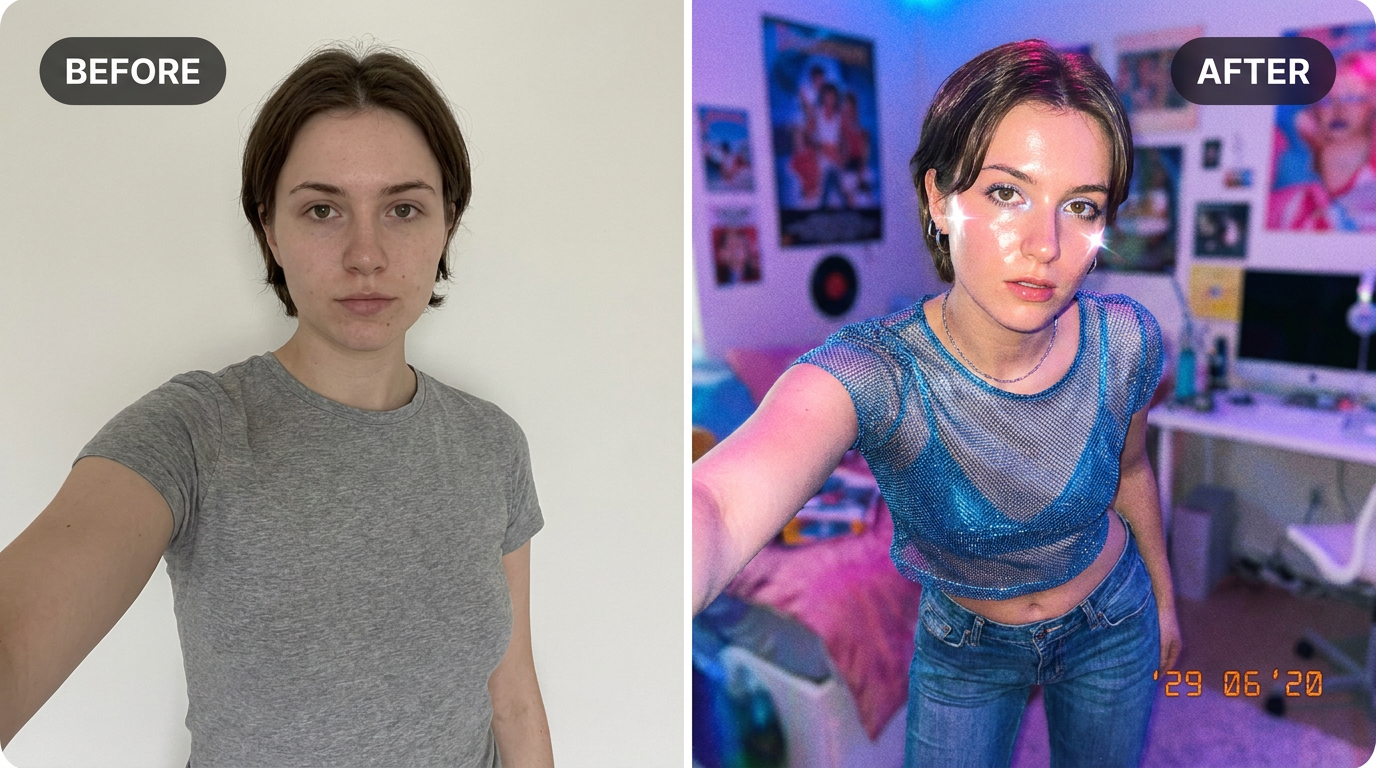
See it in action — real before & after

Why use Remove People from Photos
What Remove People from Photos does
Clear the background crowd.
Edges and shadows go too
An object's shadow is part of the object. Leaving the shadow behind is the most common giveaway of a bad removal.
No manual selection
No lasso, no clone stamp, no patch tool. Name the thing and where it is.
Precise targeting
Because the instruction names a location, you can remove one person from a group of four without touching the other three.
Full resolution output
The removal is applied at the original size, not to a downscaled preview that then gets enlarged.
Non-destructive
The original file stays on your device. Every removal is a new image.
What Remove People from Photos changes
Remove the unwanted people and rebuild the scene behind them: continue the architecture, ground and background texture correctly through the gap, matching perspective and light.
Your face, bone structure and skin tone are held fixed on every generation — only what is described above is changed.
Remove People from Photos for the things that ruin otherwise good photos
Most unwanted objects fall into a few recurring categories, and each has its own difficulty.
Watermarks and stamps
Logos, signatures and semi-transparent overlays that sit across real image detail.
Date and time stamps
Burned-in camera text, usually orange, usually in a corner, usually on the photos you most want to keep.
Street clutter
Bins, cones, signs, poles, cables and parked cars, which is what property and travel photos are mostly cluttered by.
Objects and clutter indoors
Cables, chargers, laundry and anything on a surface that should be clear — the staple of property photography.
Key highlights of Remove People from Photos
Benefits
Nothing installed
It runs in the browser on a phone or a laptop.
Credits do not expire
One purchase, used whenever a photo needs it.
Nothing to install
It runs in the browser on a phone or a laptop. No desktop app, no plugin, no account needed to look around.
No subscription
Credits are a one-time purchase, they never expire, and nothing renews on its own. Buy once and use them whenever.
Two models to choose from
Nano Banana and GPT Image handle the same job differently. If one result is not right, the other model often is.
What people use it for
What it is mainly used for
Clear the background crowd. Pick a style, choose a model, and download the result at full resolution with no watermark.
Product photos with distractions
Reflections, stray cables, price stickers and anything else that ended up in frame.
Group photos with one person to remove
Common after a change in circumstances, and usually the only copy of that photo.
Documents and screenshots
Removing a stamp, a label or an overlay from an image of a document you have the rights to.
Event photos with signage
Sponsor boards, exit signs and temporary notices taken out of the background.
Prompt ideas
Name the object and its position, and remove one thing per run. A list of five removals in one instruction produces one mediocre result instead of five good ones.
Protect the subject
"Do not change the person in the foreground" keeps the edit confined to the background.
Be specific about text
"Remove the orange date stamp in the bottom right corner" leaves nothing to guess at.
Describe the texture to rebuild
"Continue the wood grain" or "continue the sky gradient" tells the fill what pattern it is completing.
Say if something must stay
"Keep the reflection in the window" prevents the model tidying away something you wanted.
Be concrete, not complimentary
"Soft light from the left, plain grey background" gives the model something to act on. "Beautiful, high quality, 8k" gives it nothing at all.
Change one thing at a time
If a result is close, edit a single detail and run it again. Rewriting the whole prompt gives you an unrelated image and no information about what the change did.
More about Remove People from Photos
Somewhere in every camera roll is a photo that would be the best one of the trip if a stranger had not walked into it. Remove People from Photos exists for that photo, and for the bin at the edge of the frame, and for the date stamp a 2003 camera burned into the corner.
Erasing is easy; filling is not. The difficulty of a removal is decided almost entirely by what was behind the thing being removed. A wall, a sky, grass or pavement fills invisibly because the pattern continues. A face, a sign or a unique object does not, and the fill becomes an educated guess.
Property photography is where this pays for itself fastest. Bins, cables, cars and clutter are what make a room read as lived-in rather than for sale, and removing them is most of what a property retoucher is actually paid to do.
Getting the best result from Remove People from Photos
- Start from the largest, least compressed original you have — a screenshot of a photo has already lost detail that cannot be recovered.
- Soft, even light in the source photo gives the best result almost regardless of what you are generating.
- Judge every result at full size, not zoomed out. Problems hide at small sizes.
- Generate two or three times before deciding. Results vary between runs, and the first is not reliably the best.
- Check hands, text, jewellery and glasses in any result before sharing it — those are still where image models most often slip.
- Choose the aspect ratio before generating rather than cropping afterwards.
- If one model ignores part of your instruction, switch to the other and run it again.
- Keep the original file. It is a better base for the next attempt than a generated image is.
It's free to try and runs online — nothing to install. Explore the rest of our AI Creative Apps, or open the full AI photo editor for more control.