Shadow Remover
Fix harsh or uneven shadows. Pick a style, choose a model, and download the result at full resolution with no watermark.
Pick a style on the left, then hit Apply. Your original stays untouched — you always see both.
How to use Shadow Remover
Upload the photo
JPG, PNG or WEBP at the highest resolution you have. The fill is built from surrounding detail, so there needs to be surrounding detail to build from.
Say what to remove
Name the object and where it is: "the person on the right", "the watermark across the centre", "the bin in the bottom left". Location does most of the work.
Check the fill, then download
Look at the filled area at full size before using it. Full resolution out, no watermark added.
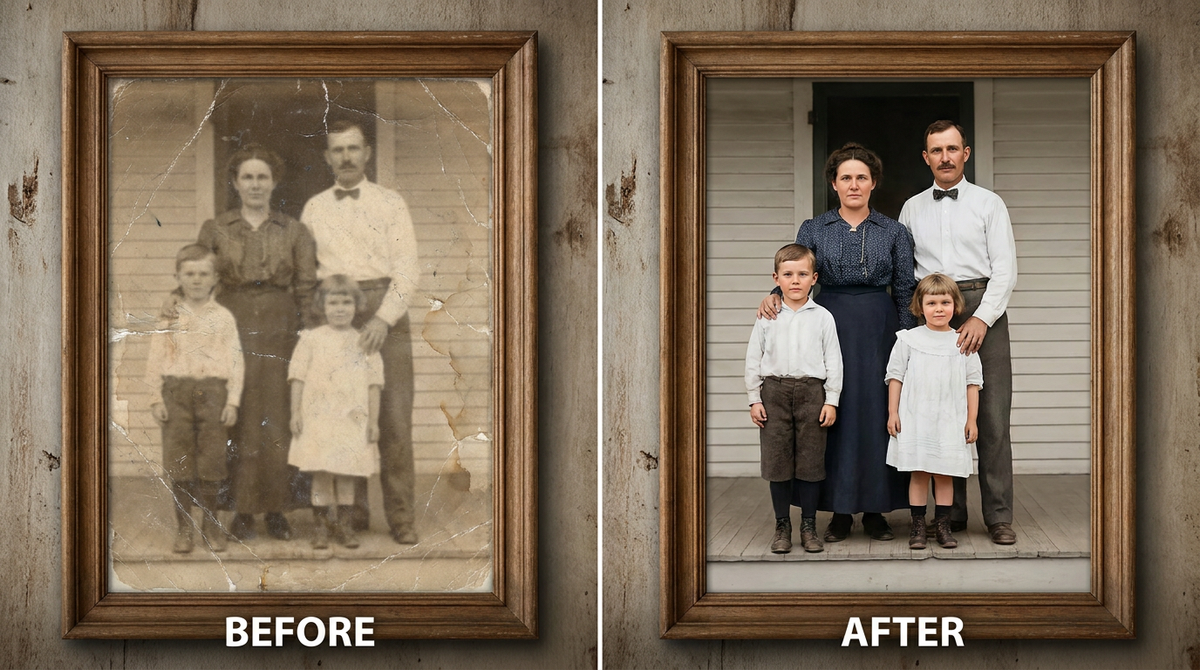
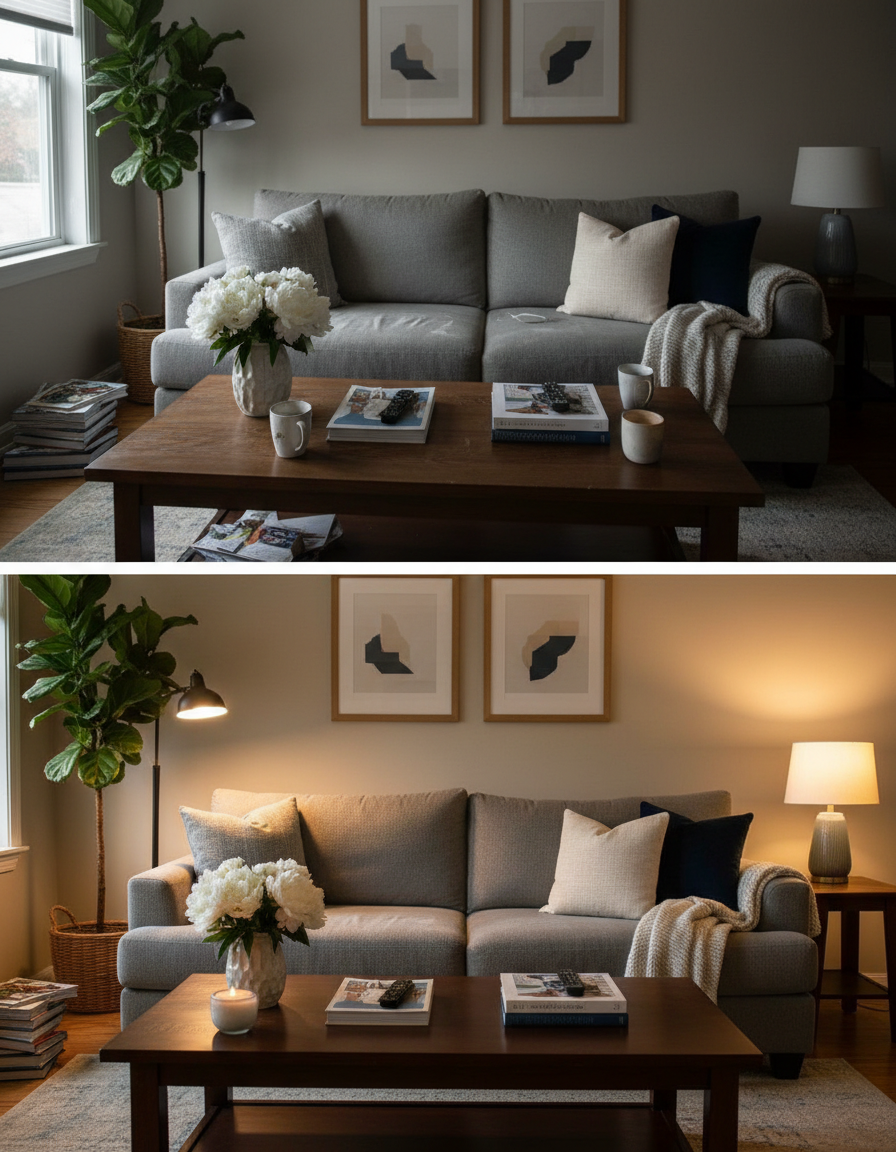
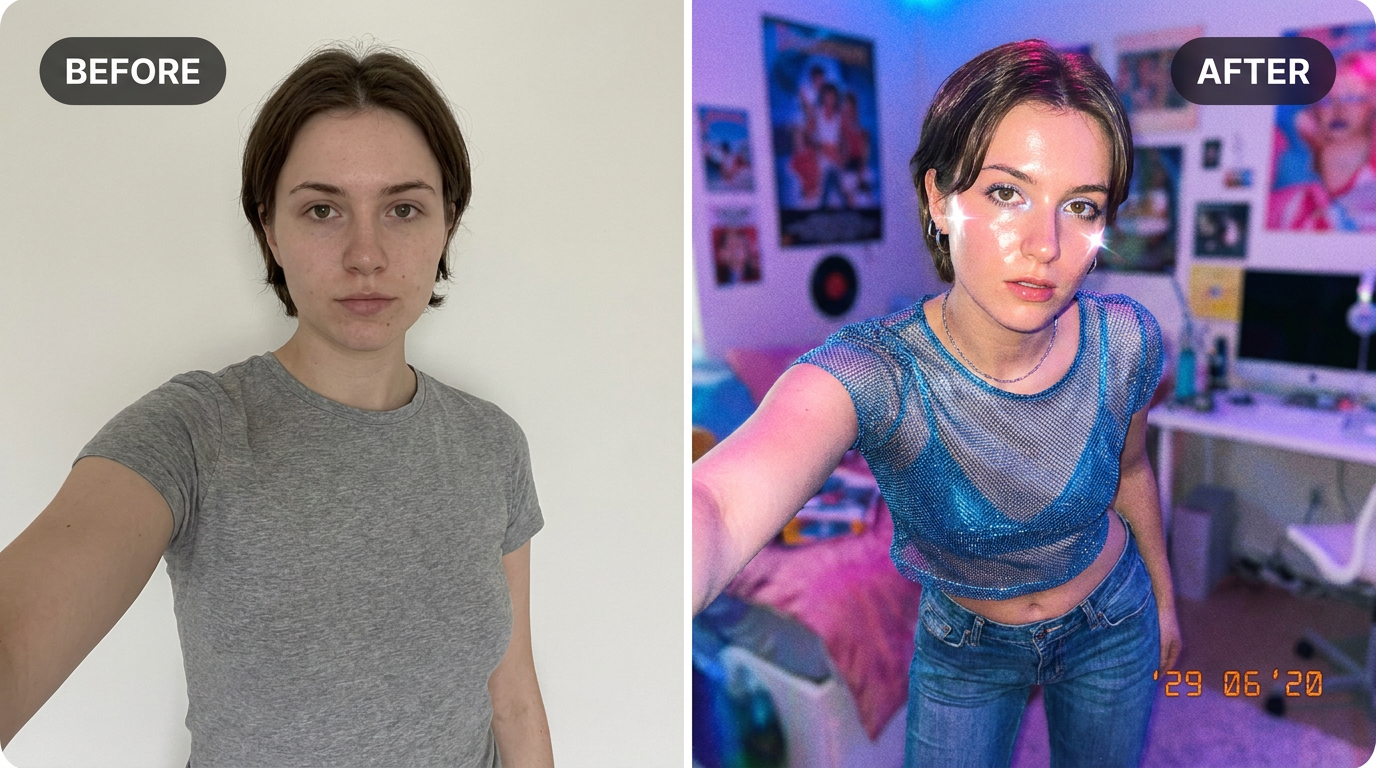
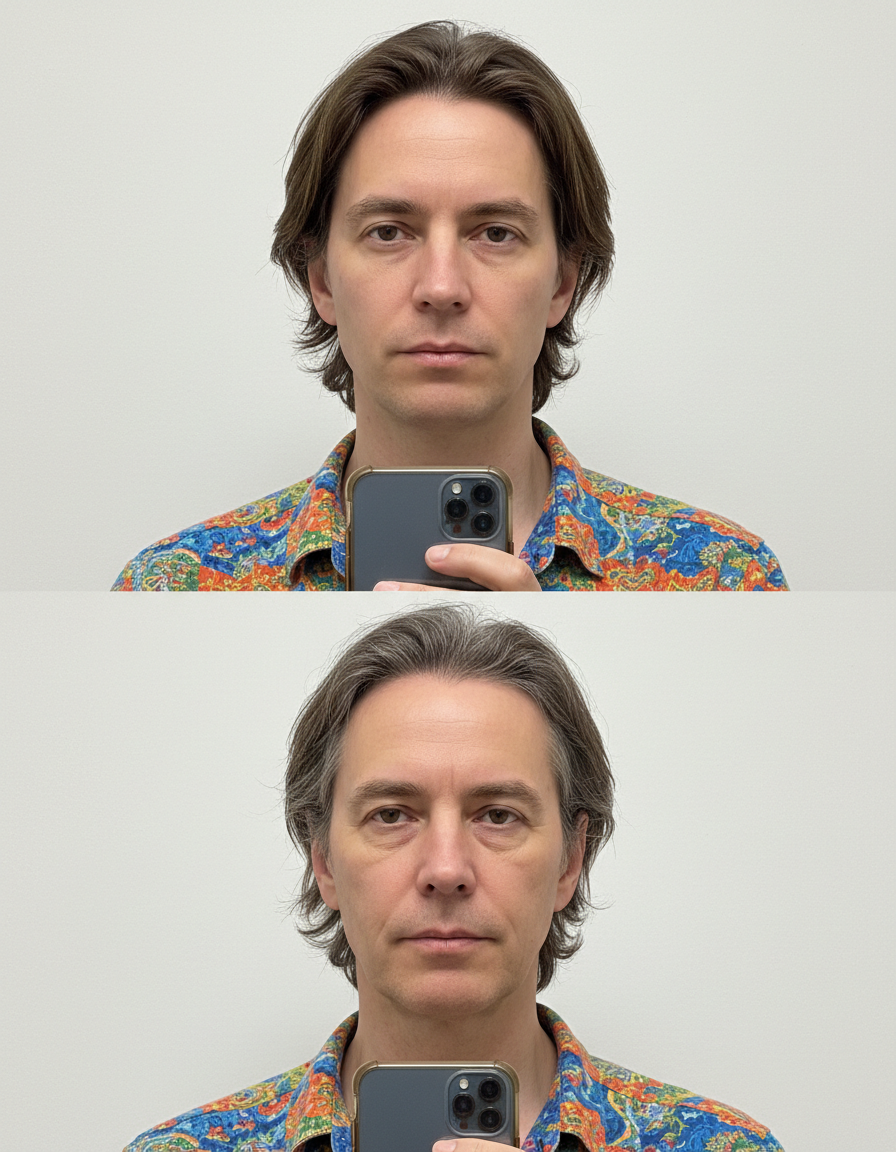
See it in action — real before & after


Why use Shadow Remover
What Shadow Remover does
Fix harsh or uneven shadows.
Full resolution output
The removal is applied at the original size, not to a downscaled preview that then gets enlarged.
Non-destructive
The original file stays on your device. Every removal is a new image.
The fill continues the scene
Walls keep their texture, pavements keep their lines, skies keep their gradient. The area is reconstructed rather than smudged.
Anything can go
People, vehicles, bins, signs, poles, reflections, text, watermarks, timestamps, logos and stickers.
Text and watermarks handled properly
Overlaid text sits on top of real detail, so removing it means rebuilding what was underneath rather than painting over it.
What Shadow Remover changes
Remove the unwanted shadow and even out the lighting across the surface, recovering the true colour and detail in the shadowed area without flattening the image's natural depth.
Your face, bone structure and skin tone are held fixed on every generation — only what is described above is changed. Add your own brief in the Custom tab to take it further.
Shadow Remover for the things that ruin otherwise good photos
Most unwanted objects fall into a few recurring categories, and each has its own difficulty.
People in the background
Tourists, passers-by and anyone who walked into the shot at the wrong moment — the single most common request.
Watermarks and stamps
Logos, signatures and semi-transparent overlays that sit across real image detail.
Date and time stamps
Burned-in camera text, usually orange, usually in a corner, usually on the photos you most want to keep.
Street clutter
Bins, cones, signs, poles, cables and parked cars, which is what property and travel photos are mostly cluttered by.
Key highlights of Shadow Remover
Benefits
The free tools stay free
Compress, convert, crop, resize, rotate and the rest run on your device, unlimited, with no account and no credit cost.
Your original is never modified
Every result is a new image. The file you uploaded stays exactly as it was on your device.
Faster than any manual method
A clone-stamp repair on a complex background is slow and skilled work. This is a sentence.
No editing skill needed
The skill in manual removal is entirely in the selection and the patching. Both are handled.
Cheap enough to iterate
A pack starts at $2, so removing one object, checking, and removing the next is a sensible workflow.
What people use it for
What it is mainly used for
Fix harsh or uneven shadows. Pick a style, choose a model, and download the result at full resolution with no watermark.
Holiday photos full of strangers
The landmark shot with six people in it, which is every landmark shot.
Property listings
Bins, cars, cables and clutter removed so the room or the building is what the photo is about.
Old photos with date stamps
Burned-in camera text removed from prints from the 90s and 2000s.
Product photos with distractions
Reflections, stray cables, price stickers and anything else that ended up in frame.
Prompt ideas
Name the object and its position, and remove one thing per run. A list of five removals in one instruction produces one mediocre result instead of five good ones.
Say if something must stay
"Keep the reflection in the window" prevents the model tidying away something you wanted.
Be concrete, not complimentary
"Soft light from the left, plain grey background" gives the model something to act on. "Beautiful, high quality, 8k" gives it nothing at all.
Change one thing at a time
If a result is close, edit a single detail and run it again. Rewriting the whole prompt gives you an unrelated image and no information about what the change did.
Say what must not change
A short exclusion — "do not change the face", "keep the label text" — is often more effective than any amount of positive description.
Keep it short
Three or four specific clauses beat a paragraph. Long prompts dilute every instruction in them, including the one you cared about.
Name the framing
Close-up, head and shoulders, full body, centred, offset. Framing decides what the image is actually of.
More about Shadow Remover
Each removal costs 2 credits from a one-time pack, and the original is never modified. Removing three separate objects one at a time is usually better than asking for all three at once.
Somewhere in every camera roll is a photo that would be the best one of the trip if a stranger had not walked into it. Shadow Remover exists for that photo, and for the bin at the edge of the frame, and for the date stamp a 2003 camera burned into the corner.
Erasing is easy; filling is not. The difficulty of a removal is decided almost entirely by what was behind the thing being removed. A wall, a sky, grass or pavement fills invisibly because the pattern continues. A face, a sign or a unique object does not, and the fill becomes an educated guess.
Getting the best result from Shadow Remover
- An object overlapping the main subject is the hardest case, because the fill has to rebuild part of the subject too.
- Always ask for the shadow as well as the object.
- Say what should be behind it. The fill is much more accurate when it is told what it is completing.
- Start from the largest version of the photo you have; the fill is built from surrounding pixels.
- For watermarks over faces or fine detail, expect reconstruction rather than exact recovery, and inspect it closely.
- If a fill comes back smeared, name the texture explicitly and run it again.
- Only remove watermarks from images you have the rights to use — removing one does not grant a licence.
- For repeated clutter, work outside in: largest object first, then the smaller ones.
It's free to try and runs online — nothing to install. Explore the rest of our AI Creative Apps, or open the full AI photo editor for more control.