YouTube Profile Picture Maker
Channel art that scales down well. Pick a style, choose a model, and download the result at full resolution with no watermark.
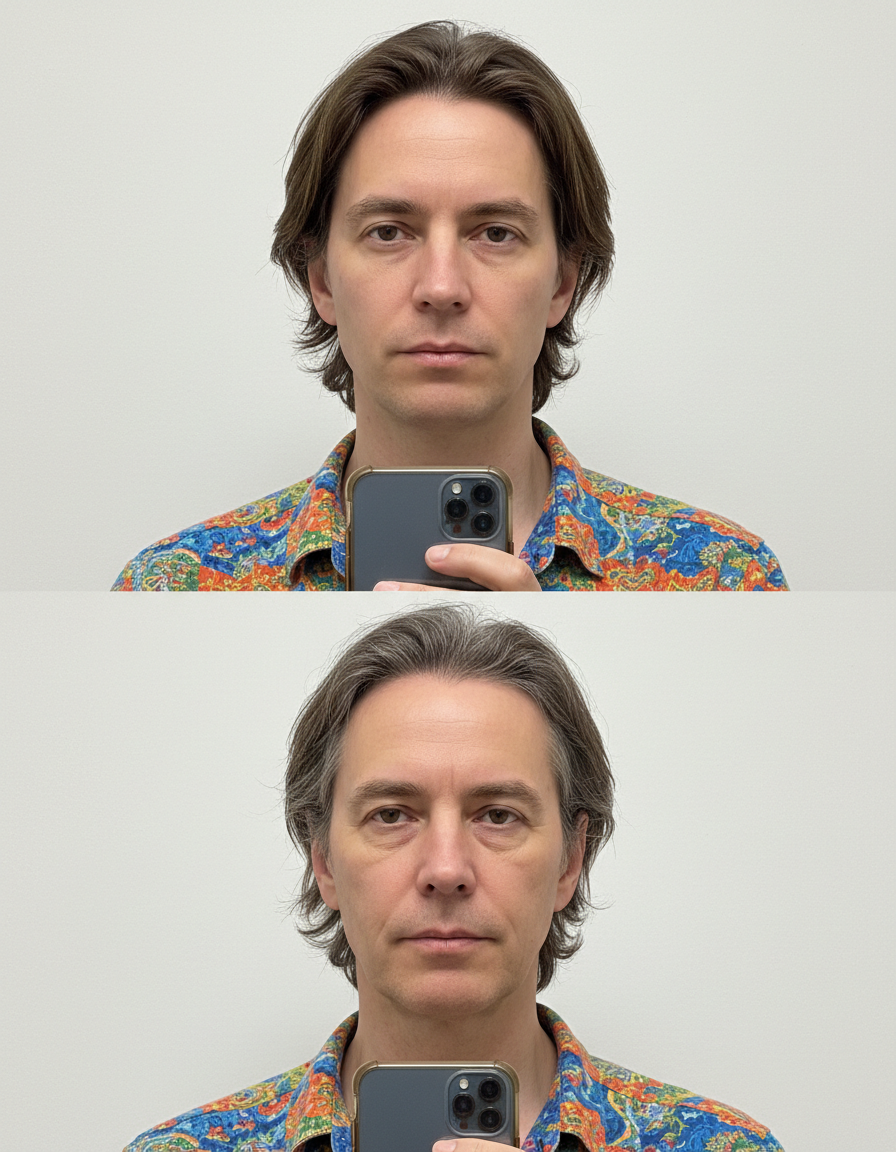
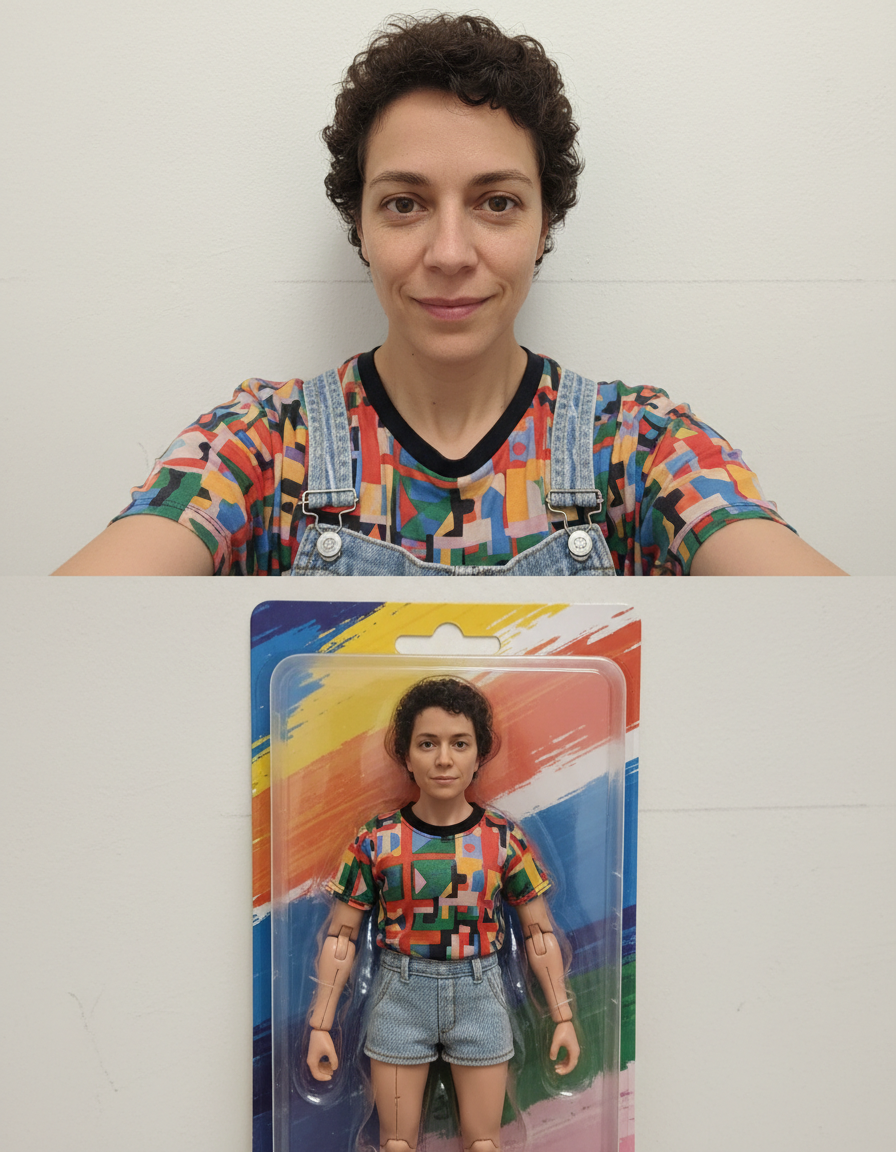
Pick a style on the left, then hit Apply. Your original stays untouched — you always see both.
How to use YouTube Profile Picture Maker
Upload your image
JPG, PNG or WEBP. If the asset is going to be cropped several ways, start from the widest, highest-resolution version you have.
Choose the platform and shape
Square, portrait, wide, circle-safe, bold or minimal. The choice sets the ratio and where the subject sits inside it.
Download and post
Correct dimensions, full resolution, no watermark. It uploads without the platform re-cropping it for you.
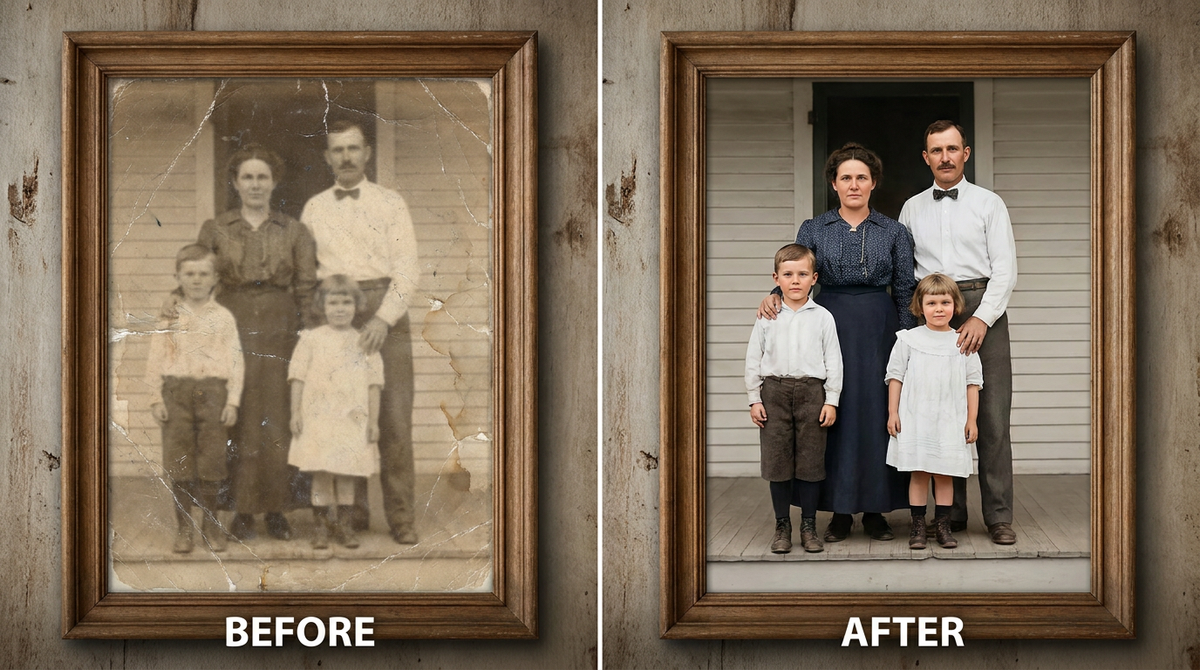
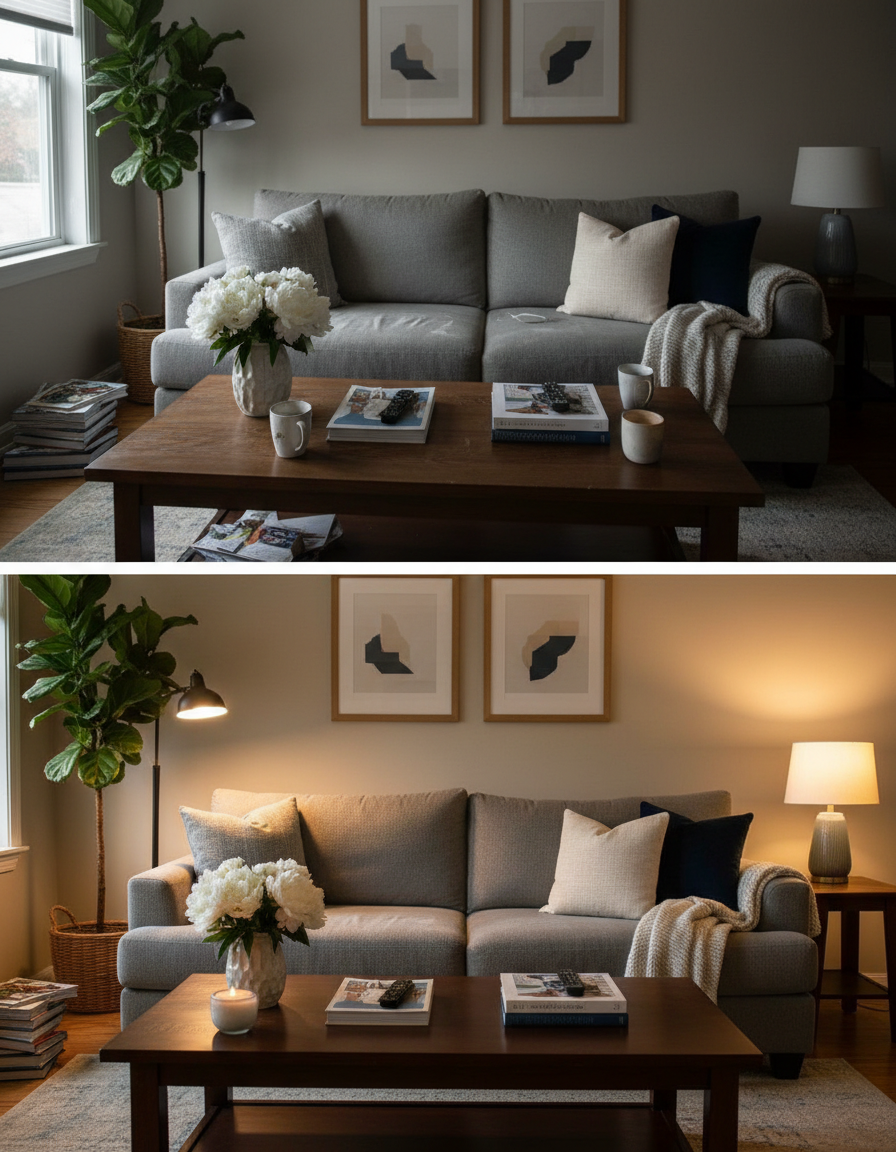
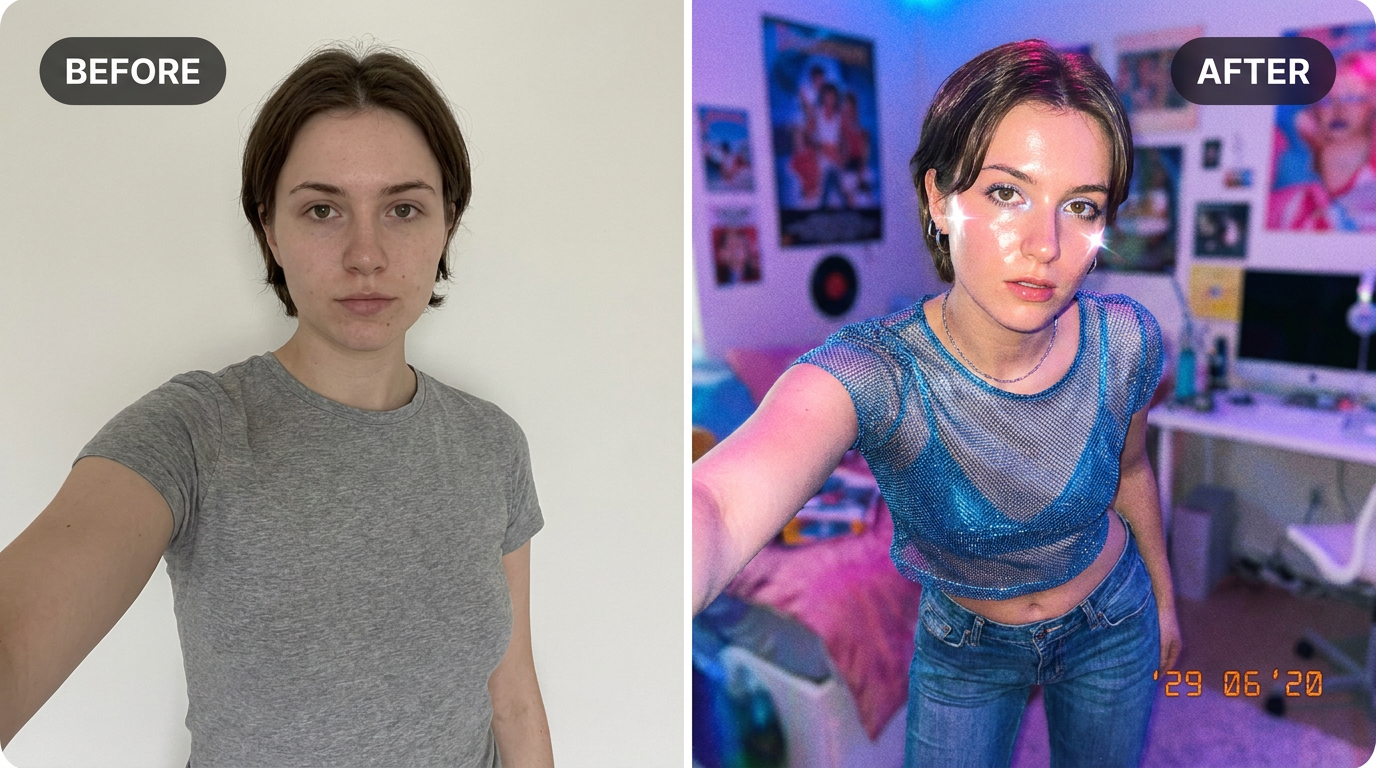
See it in action — real before & after

Why use YouTube Profile Picture Maker
What YouTube Profile Picture Maker does
Channel art that scales down well.
Correct dimensions per platform
The right ratio and pixel size, so the platform does not recompress and re-crop the image on upload.
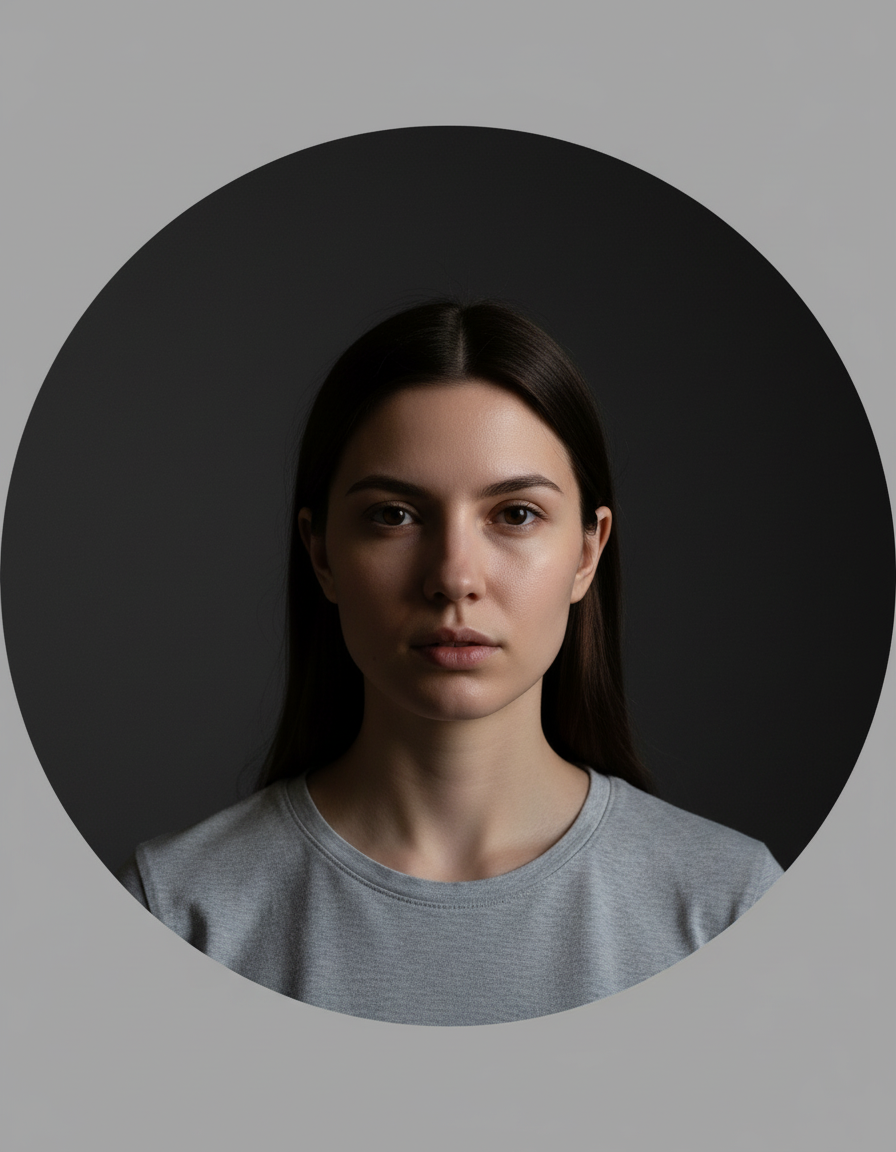
Circle-safe composition
Avatars are masked to circles almost everywhere. Composing for that keeps the head centred and the corners expendable.
Safe areas respected
Cover images have a profile photo over one corner and buttons over another. The subject is placed clear of both.
Legible at thumbnail size
Most feed images are first seen very small. High contrast and a simple focal point are what survive that.
Room left for text
Deliberate empty space where a headline or caption goes, rather than a full-bleed image with nowhere to put type.
What YouTube Profile Picture Maker changes
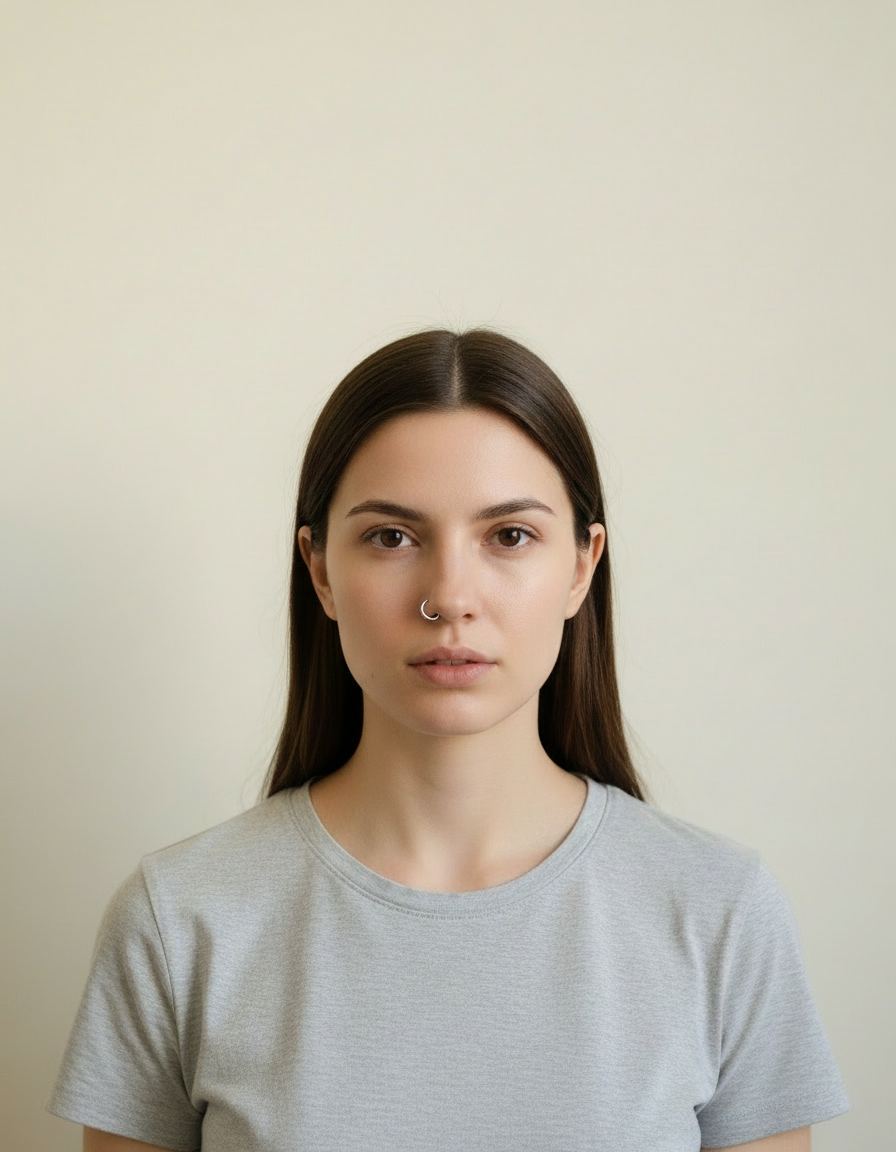
Create a YouTube channel profile picture: the subject centred for a circular crop, high contrast against a simple background, and instantly legible at small size.
Your face, bone structure and skin tone are held fixed on every generation — only what is described above is changed. Add your own brief in the Custom tab to take it further.
YouTube Profile Picture Maker for every slot a profile has
A profile is a set of images with different jobs. Each one is cropped, masked and overlaid differently.
Feed posts
Square and 4:5, which is the ratio that occupies the most vertical space in most feeds.
Stories and reels covers
9:16 with the top and bottom left clear of interface chrome.
Thumbnails
High contrast, one clear focal point, and space for a short piece of large text.
Link previews and OG cards
The 1200×630 card that appears whenever a link is shared anywhere.
Key highlights of YouTube Profile Picture Maker
Benefits
Every aspect ratio
Square, 4:5, 9:16, 16:9 and more, chosen before generating so nothing important gets cropped away afterwards.
Full resolution, no watermark
The download is the full generated image with nothing overlaid — usable in print, in a listing or commercially.
The free tools stay free
Compress, convert, crop, resize, rotate and the rest run on your device, unlimited, with no account and no credit cost.
Your original is never modified
Every result is a new image. The file you uploaded stays exactly as it was on your device.
Cheap enough to iterate
Packs start at $2. Generating the same image three ways and keeping the best is the intended workflow, not an expensive mistake.
What people use it for
What it is mainly used for
Channel art that scales down well. Pick a style, choose a model, and download the result at full resolution with no watermark.
Video thumbnails
The image that determines whether a video is clicked, with space for a few large words.
Event and launch announcements
The same announcement in every ratio each platform needs.
Link preview cards
The image that shows up when a page is shared, which is often the first thing anyone sees of a site.
Ad creative variants
Several ratios and crops of one concept, for testing across placements.
Prompt ideas
Say where the subject should sit and where the text is going. Social composition is mostly about reserving space, and a prompt that does not mention the text is the reason the headline ends up over someone's face.
Re-run before rewriting
Generation is not deterministic. The same prompt twice gives two different results, and the second is sometimes simply better.
Name the platform and slot
"YouTube thumbnail" or "LinkedIn banner" carries a whole set of conventions in two words.
Say where the subject goes
"Subject on the left third, empty space on the right" is the single most useful instruction for anything with text on it.
Mention the circular crop
"Composed for a circular avatar, head centred, nothing important in the corners".
Reserve the text area
"Leave the upper third clear for a headline" — otherwise there is nowhere for the type to go.
Ask for thumbnail legibility
"High contrast, readable at 100 pixels wide", because that is the size most people will first see it.
More about YouTube Profile Picture Maker
The size that matters is the smallest one. Most feed images are seen first at a couple of hundred pixels, and many at forty. Anything depending on fine detail or low contrast simply disappears at that scale, which is why the strongest social images are almost always the simplest.
The most common mistake is generating a beautiful full-bleed image and then discovering there is nowhere to put the headline. Reserving the empty space before generating, rather than hunting for it afterwards, is the whole trick.
Every platform wants a different shape, and getting it wrong is expensive in a way that is easy to miss. A square image on a vertical feed wastes half the screen. A banner sized for one platform gets its subject cropped out by another. A profile picture composed as a rectangle loses the top of someone's head the moment it is masked into a circle. YouTube Profile Picture Maker produces the right shape with the subject where it needs to be.
Getting the best result from YouTube Profile Picture Maker
- Soft, even light in the source photo gives the best result almost regardless of what you are generating.
- Judge every result at full size, not zoomed out. Problems hide at small sizes.
- Generate two or three times before deciding. Results vary between runs, and the first is not reliably the best.
- Check hands, text, jewellery and glasses in any result before sharing it — those are still where image models most often slip.
- Choose the aspect ratio before generating rather than cropping afterwards.
- If one model ignores part of your instruction, switch to the other and run it again.
- Keep the original file. It is a better base for the next attempt than a generated image is.
- For a matching set, keep the same source photo and style and change only one variable.
It's free to try and runs online — nothing to install. Explore the rest of our AI Creative Apps, or open the full AI photo editor for more control.