Creature Designer
Original collectible-creature art. Pick a style, choose a model, and download the result at full resolution with no watermark.
Pick a style on the left, then hit Apply. Your original stays untouched — you always see both.
How to use Creature Designer
Upload the photo
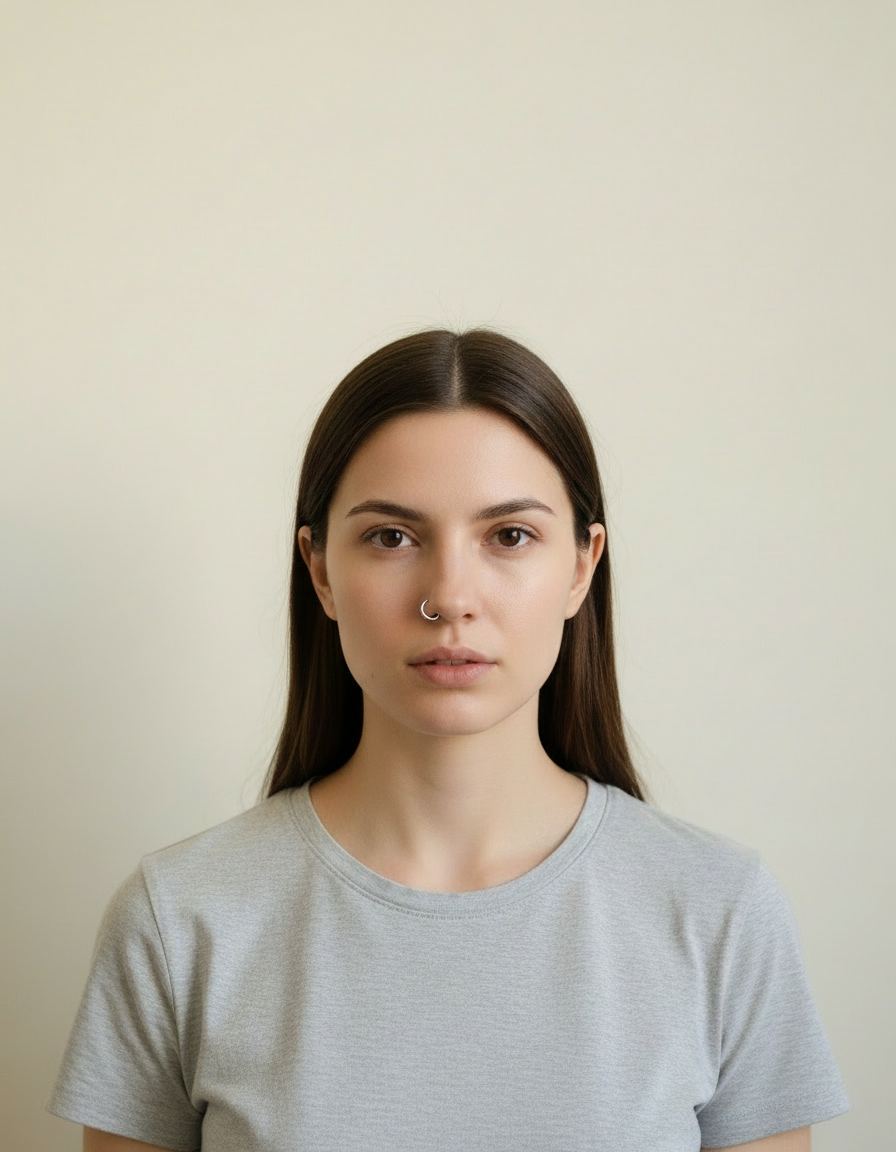
A clear JPG, PNG or WEBP. Portraits work best when the face fills a reasonable part of the frame — a distant full-body shot gives the model very little face to work from.
Pick the style or write your own
Choose a preset, or describe the medium you want: line weight, palette, texture, era. Naming the medium precisely is what separates a good result from a vague one.
Generate and download
Full resolution, no watermark. Good enough to print, use as an avatar, or send to someone as a gift.
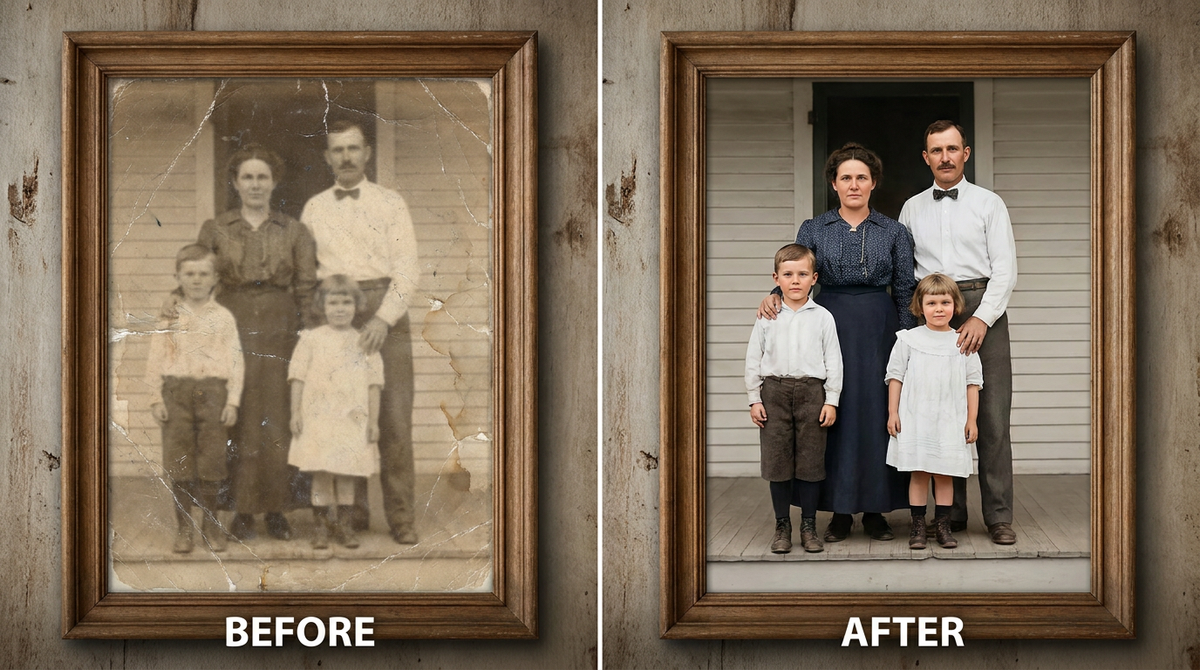
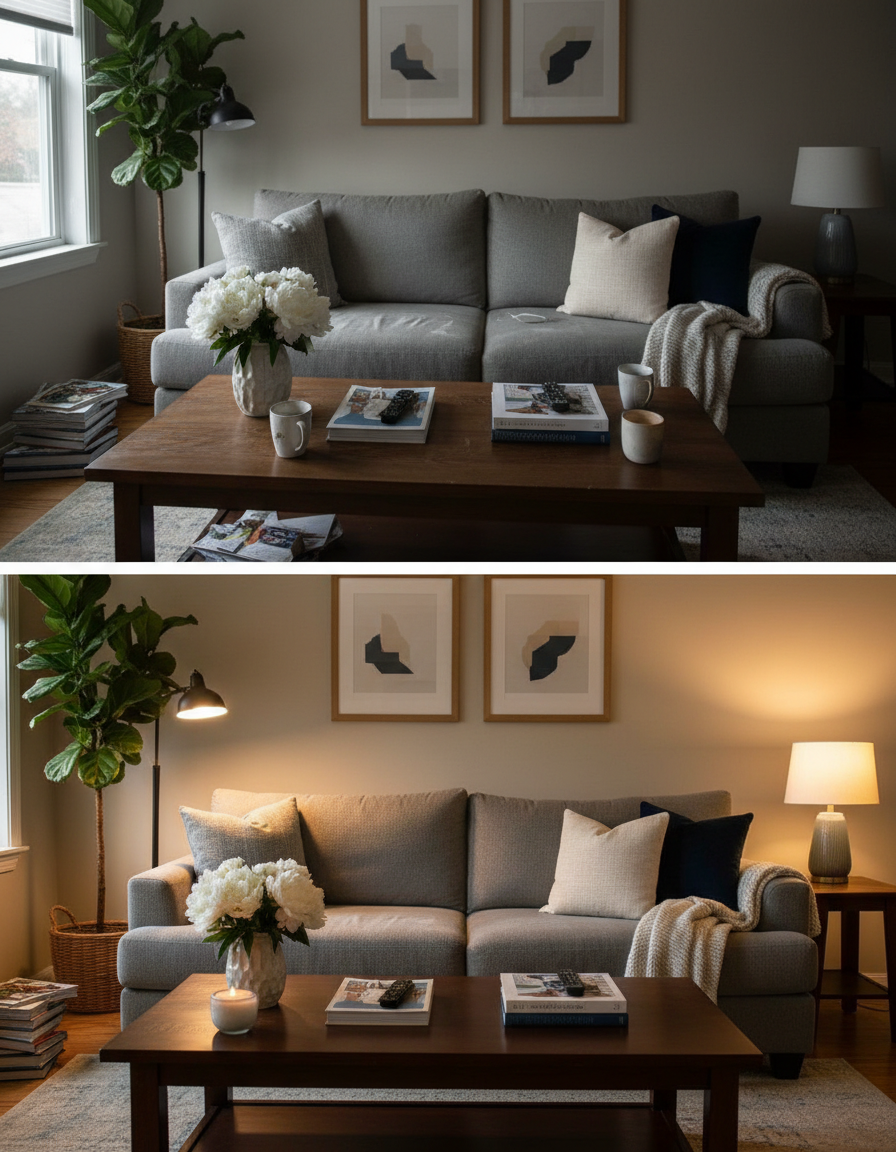
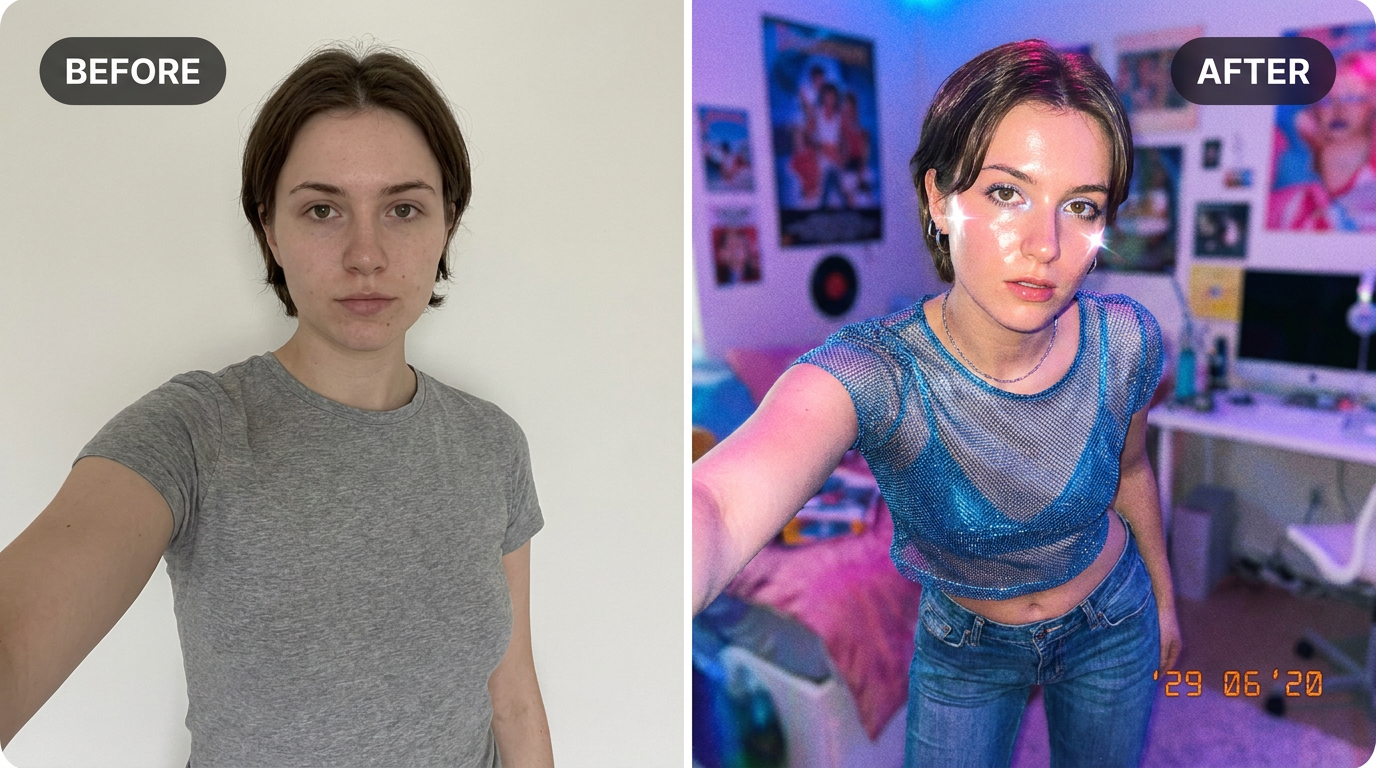
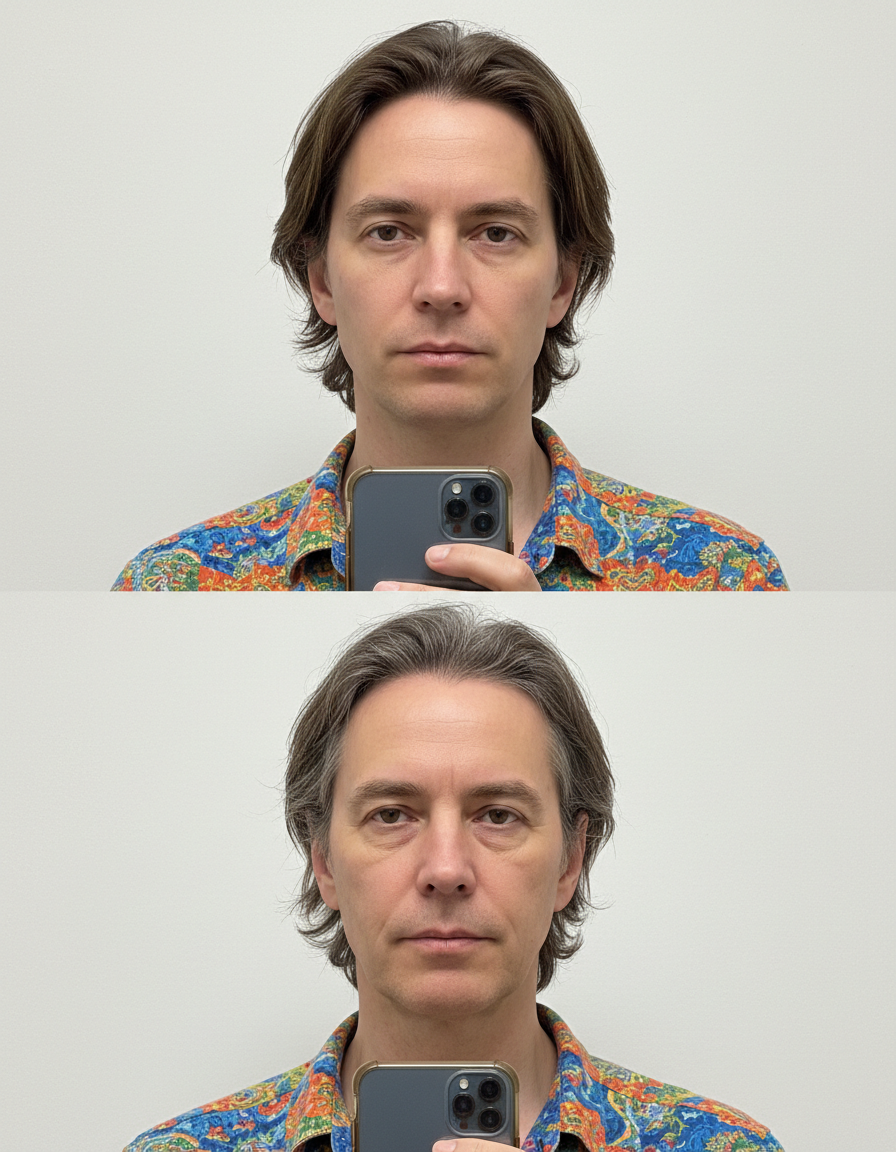
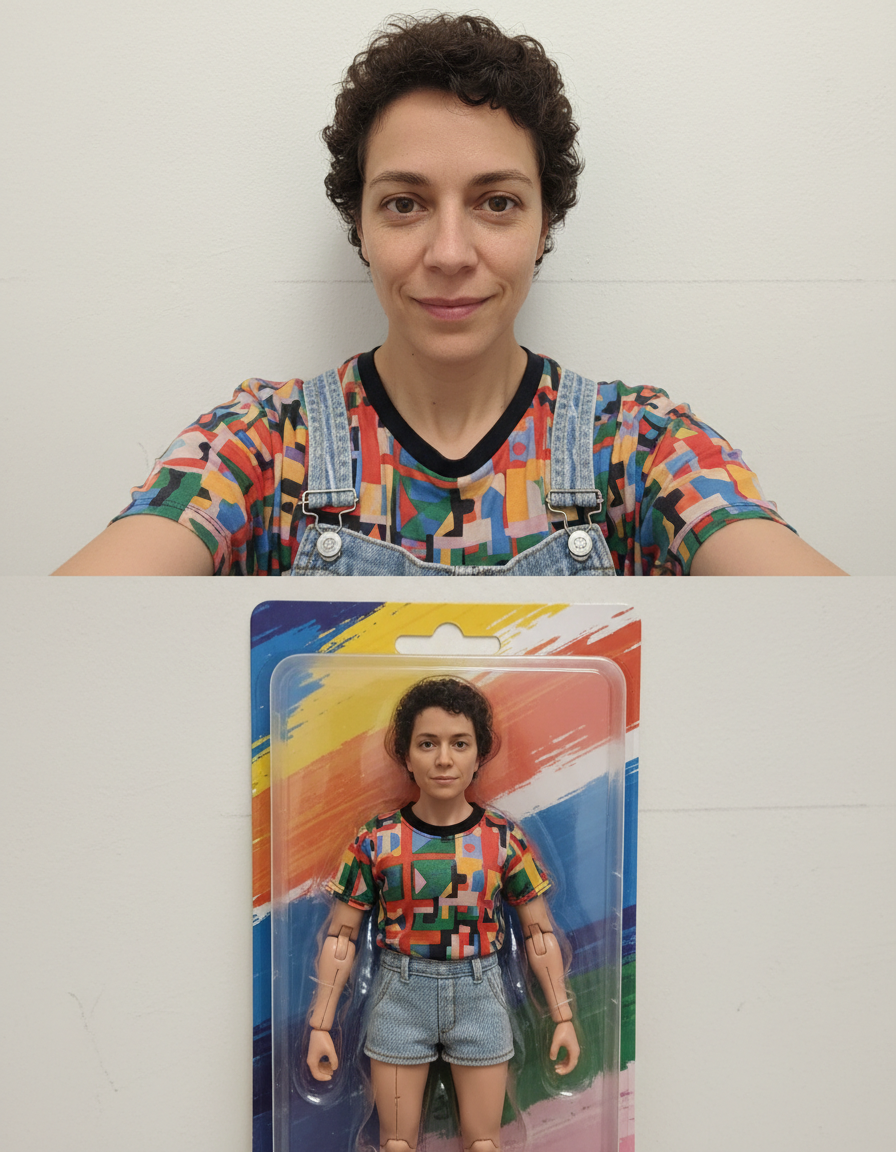
See it in action — real before & after


Why use Creature Designer
What Creature Designer does
Original collectible-creature art.
Backgrounds restyled to match
A stylised subject on a photographic background looks pasted in. The whole frame is converted together.
Print-quality output
Resolution holds up as a framed print or a card, which is what most people end up doing with a portrait they like.
No drawing skill needed
No tablet, no brushes, no layers. The skill required is choosing a good source photo.
Any ratio you need
Square for an avatar, portrait for a print, wide for a banner or a cover. Set before generating.
Cheaper than a commission by orders of magnitude
An illustrated portrait typically runs from $40 to several hundred. A pack of credits starts at $2.
What Creature Designer changes
Design an original collectible creature inspired by this image: clean cel-shaded rendering, a coherent elemental theme, expressive face, and a simple radial background. Do not reproduce any existing franchise character.
Your face, bone structure and skin tone are held fixed on every generation — only what is described above is changed.
Creature Designer for prints, avatars and gifts
The same conversion serves very different ends — a profile picture, a framed print, a card, a set of matching avatars for a group.
Matching sets for a group
A team, a family or a friend group converted in one style, which looks deliberate in a way individual photos never do.
Covers and thumbnails
A stylised image survives text overlaid on it far better than a photograph does — the flat areas give the type somewhere to sit.
Creative reference
A quick look at a concept in a given medium before committing to commissioning it properly.
Profile pictures and avatars
A stylised portrait stands out in a feed of photographs, and it stays readable when a platform shrinks it to 40 pixels.
Key highlights of Creature Designer
Benefits
Try several styles for the price of one commission
Compare mediums on the same photo instead of committing to the first description that sounded good.
Nothing to learn
No illustration software, no tablet, no understanding of layers or masks.
Keeps the likeness
The point of a portrait is that it is of someone. Identity preservation is applied to every person-editing prompt.
Full resolution and no watermark
Print it, frame it, use it commercially. Nothing is stamped on the result.
No subscription
Credits are a one-time purchase and never expire. Nothing renews.
What people use it for
What it is mainly used for
Original collectible-creature art. Pick a style, choose a model, and download the result at full resolution with no watermark.
Pet portraits
The single most requested illustrated portrait, and the one people are most reliably delighted by.
Merch and sticker art
Flat, high-contrast styles are what actually survive being printed small on a sticker or a shirt.
Book, album and playlist covers
A stylised portrait as cover art, with room for a title to sit over it.
Party and event invitations
The host, illustrated, on the invitation. Faster than finding clip art that is not terrible.
Prompt ideas
Presets cover the common styles. If you write your own, describe the medium as a maker would: line, colour, texture, era. Vague adjectives like "beautiful" or "high quality" do nothing; "thick ink outlines, flat colour, halftone shading" does a great deal.
Name the framing
Close-up, head and shoulders, full body, centred, offset. Framing decides what the image is actually of.
Avoid asking for text in the image
Generated lettering is still unreliable. Ask for empty space where the text should go and add real type afterwards.
Pick the ratio first
Generating square and cropping to vertical throws away part of the frame. Choose the shape before you generate.
Try the other model
If a prompt is being ignored, switching between Nano Banana and GPT Image often resolves it faster than rewording.
Describe the light
Direction, softness and colour temperature. Light does more to how a photograph feels than any other single thing you can specify.
Re-run before rewriting
Generation is not deterministic. The same prompt twice gives two different results, and the second is sometimes simply better.
More about Creature Designer
The difficult part is not applying a filter — it is keeping the person recognisable while genuinely changing the medium. A good stylised portrait still reads as you: the proportions of the face, the set of the eyes, the hairline. A bad one is a generic character with your colour palette. This tool is tuned for the first outcome, which is why a clear source photo matters more than the style you pick.
Each generation costs 2 credits from a one-time pack. That is cheap enough to try the same photo in three styles and keep whichever one your friends actually recognise you in.
Every few months a visual style goes around, and the people who get the most out of it are the ones who post while it is still moving. A commission takes a week. Creature Designer takes a minute, which is the difference between joining a trend and documenting it afterwards.
Getting the best result from Creature Designer
- Check hands, glasses and any lettering — these are where stylised results most often break down.
- If you want a matching set, keep the style and the prompt identical and change only the source photo.
- For printing, generate at the largest ratio you can and crop afterwards rather than upscaling later.
- Keep the original photo. A generated image is a poor starting point for a different style.
- Start from the largest, least compressed original you have — a screenshot of a photo has already lost detail that cannot be recovered.
- Soft, even light in the source photo gives the best result almost regardless of what you are generating.
- Judge every result at full size, not zoomed out. Problems hide at small sizes.
- Generate two or three times before deciding. Results vary between runs, and the first is not reliably the best.
It's free to try and runs online — nothing to install. Explore the rest of our AI Creative Apps, or open the full AI photo editor for more control.